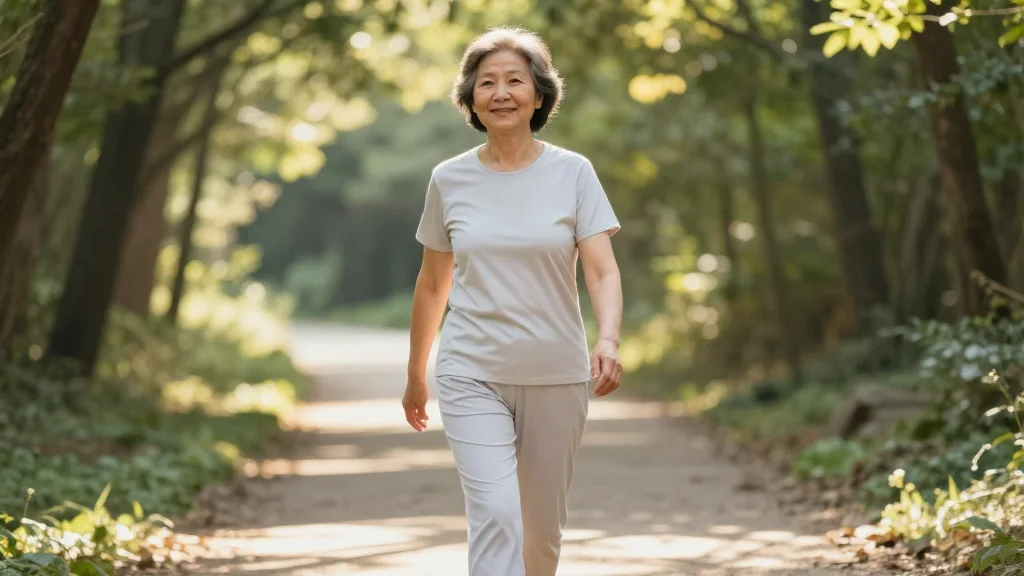
Study Links Physical Resilience to Positive Aging Views Among Chinese Seniors

Why It Matters
Linking physical resilience to positive aging perceptions reframes wellness from a disease‑centric model to one that emphasizes adaptability and mindset. For rapidly aging societies, such evidence offers a dual pathway—improving functional health while nurturing a constructive self‑image—that can reduce healthcare costs and enhance quality of life. In China, where demographic shifts are accelerating, integrating resilience‑focused interventions could alleviate pressure on strained elder‑care systems. Globally, the study underscores the importance of culturally attuned approaches. The interplay between traditional values and individual physiological capacity suggests that one‑size‑fits‑all wellness programs may miss critical levers of change. Tailoring strategies to local belief systems while targeting measurable resilience factors could become a template for other nations confronting similar demographic challenges.
Key Takeaways
- •Researchers surveyed a large, socio‑economically diverse sample of Chinese community elders.
- •Higher physical resilience correlated strongly with more optimistic self‑perceptions of aging.
- •Cultural factors like filial piety amplify the resilience‑aging perception link.
- •Gender differences emerged, with women showing distinct resilience and perception patterns.
- •Study recommends resilience‑building interventions as a new focus for geriatric wellness.
Pulse Analysis
The Yao et al. study arrives at a moment when wellness providers are scrambling to move beyond reactive disease management toward proactive, holistic aging strategies. Historically, geriatric care has prioritized chronic disease mitigation; this research pivots attention to the capacity to bounce back from physical stressors, positioning resilience as both a predictor and a modifiable target.
From a market perspective, the findings could catalyze a wave of product and service innovation. Fitness tech firms may develop resilience‑tracking wearables that monitor recovery kinetics, while insurers might reward programs that demonstrably improve resilience scores. Meanwhile, community health organizations could redesign senior centers to blend physical conditioning with mental‑wellness curricula, leveraging the cultural emphasis on collective well‑being that the study highlights.
Looking ahead, the key question is scalability. Demonstrating that resilience‑building yields measurable health and economic benefits in controlled trials will be essential for policy adoption. If successful, the model could be exported to other aging economies—Japan, South Korea, and even Western nations—where the psychological framing of aging remains a critical, yet underexplored, determinant of health outcomes.
Study Links Physical Resilience to Positive Aging Views Among Chinese Seniors
Comments
Want to join the conversation?
Loading comments...