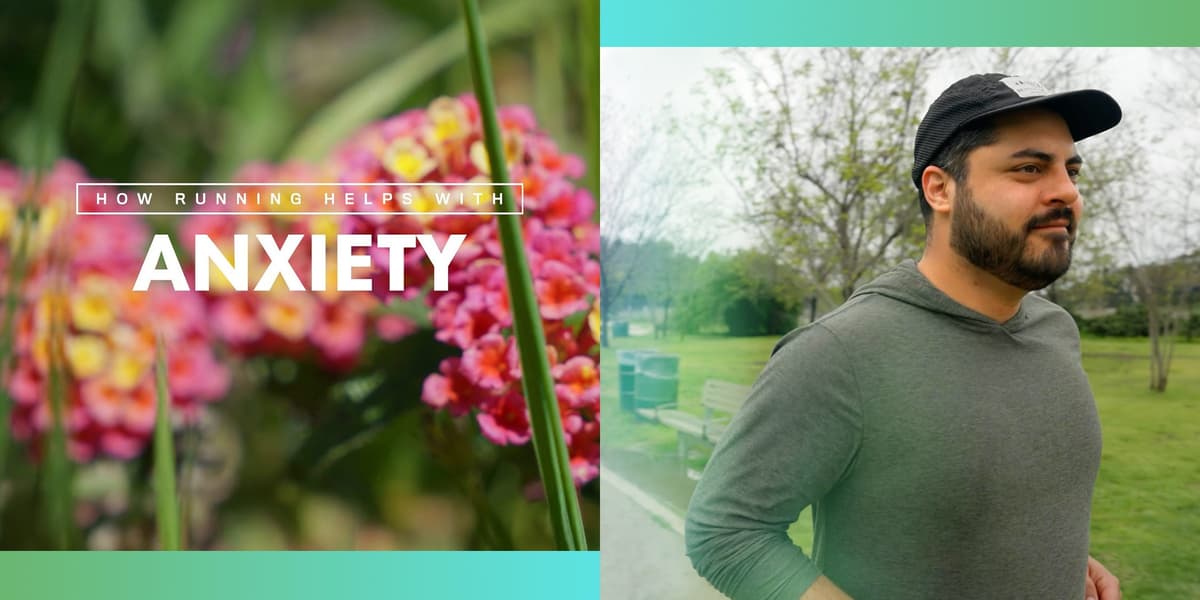
The Runner’s World Guide to Running for Anxiety
Companies Mentioned
Why It Matters
Running offers a low‑cost, evidence‑based tool that can complement or replace medication for anxiety, helping individuals and employers curb mental‑health costs while improving productivity.
Key Takeaways
- •30‑second sprint intervals can disrupt panic attacks, per 2026 study
- •Running releases neurotransmitters that improve mood and cognitive function
- •Mantras during runs help anchor attention and reduce anxious thoughts
- •Consistent low‑intensity runs in nature lower long‑term anxiety risk
Pulse Analysis
Anxiety disorders affect millions of Americans, driving up healthcare expenditures and workplace absenteeism. While psychotherapy and medication remain standard treatments, a growing body of research highlights aerobic exercise as a potent adjunct. Studies from the American Psychological Association and the CDC demonstrate that regular running reduces cortisol levels, boosts endorphin production, and enhances neuroplasticity, creating a physiological buffer against stress. This scientific backdrop positions running as a scalable, non‑pharmacologic option for both individuals and health‑plan designers.
The Runner’s World guide translates these findings into actionable strategies. A 2026 Frontiers in Psychiatry trial found that sedentary adults with panic disorder who performed brief, 30‑second high‑intensity sprints experienced faster symptom relief than those using muscle‑relaxation techniques. Experts such as Harvard’s John Ratey explain that the surge in blood flow during sprinting accelerates neurotransmitter activity, sharpening mood regulation. Complementary tactics—like personalized mantras and nature‑based routes—further reinforce mindfulness, breaking the anxiety‑exercise feedback loop and fostering sustainable habit formation.
For employers, insurers, and clinicians, integrating running programs can yield measurable ROI. Corporate wellness initiatives that subsidize gym memberships or organize community runs have reported lower claims for anxiety‑related visits and higher employee engagement scores. Healthcare providers can prescribe “exercise prescriptions” alongside traditional therapies, leveraging the cost‑effectiveness of running to broaden access. As the evidence base expands, we can expect more digital platforms to embed sprint intervals and mantra cues, making the mental‑health benefits of running even more reachable for a digitally connected workforce.
The Runner’s World Guide to Running for Anxiety
Comments
Want to join the conversation?
Loading comments...