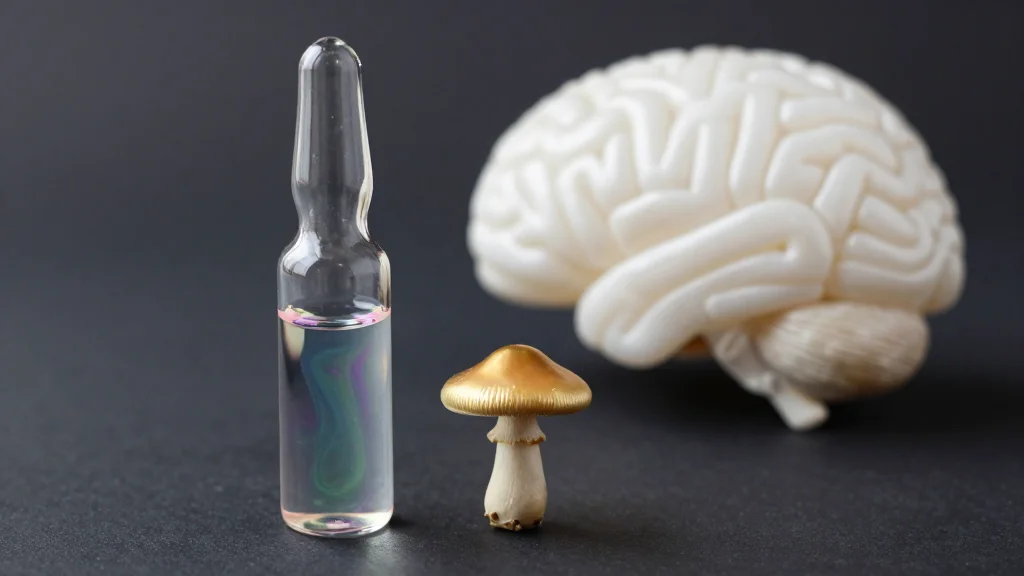
Trump's Order Is a Milestone for Proponents of Using Psychedelics as Medicine
Why It Matters
Accelerating psychedelic approvals could reshape the mental‑health landscape and unlock a multibillion‑dollar market, while also testing the balance between innovation and regulatory oversight.
Key Takeaways
- •Executive order directs federal agencies to prioritize psychedelic research
- •DEA to review scheduling of psilocybin and MDMA
- •NIH to allocate $200M for clinical trials
- •Insurance coverage discussions expected to accelerate
- •Opposition from conservative groups remains
Pulse Analysis
The Trump administration’s latest executive order marks a decisive shift in U.S. drug policy, moving psychedelics from fringe research toward mainstream medical consideration. By instructing the Drug Enforcement Administration to revisit the Schedule I classification of compounds like psilocybin and MDMA, the order removes a major barrier that has historically stifled large‑scale clinical trials. This regulatory pivot aligns with a growing body of peer‑reviewed studies showing promising results for treatment‑resistant depression, post‑traumatic stress disorder, and substance‑use disorders, positioning the United States to become a global leader in psychedelic therapeutics.
Investors and biotech firms are already recalibrating strategies in response to the policy signal. The National Institutes of Health’s earmarked $200 million for psychedelic trials will likely attract venture capital, prompting a surge in startup activity focused on formulation, delivery mechanisms, and digital therapeutics that complement psychedelic treatment. Simultaneously, insurers are beginning to explore coverage frameworks, anticipating that faster FDA approvals could reduce long‑term healthcare costs associated with chronic mental‑health conditions. This confluence of regulatory support, funding, and market interest could compress the typical drug‑development timeline, delivering new options to patients within a decade rather than the usual 15‑20 years.
However, the rapid push also raises questions about safety, standardization, and public perception. Critics argue that easing scheduling without robust post‑market surveillance may expose patients to unvetted protocols, while conservative lawmakers caution against politicizing drug policy. Balancing accelerated access with rigorous clinical validation will be essential to sustain credibility and ensure that the therapeutic promise of psychedelics translates into real‑world health outcomes. The coming months will test whether the order can harmonize scientific rigor with the urgency of a mental‑health crisis.
Trump's order is a milestone for proponents of using psychedelics as medicine
Comments
Want to join the conversation?
Loading comments...