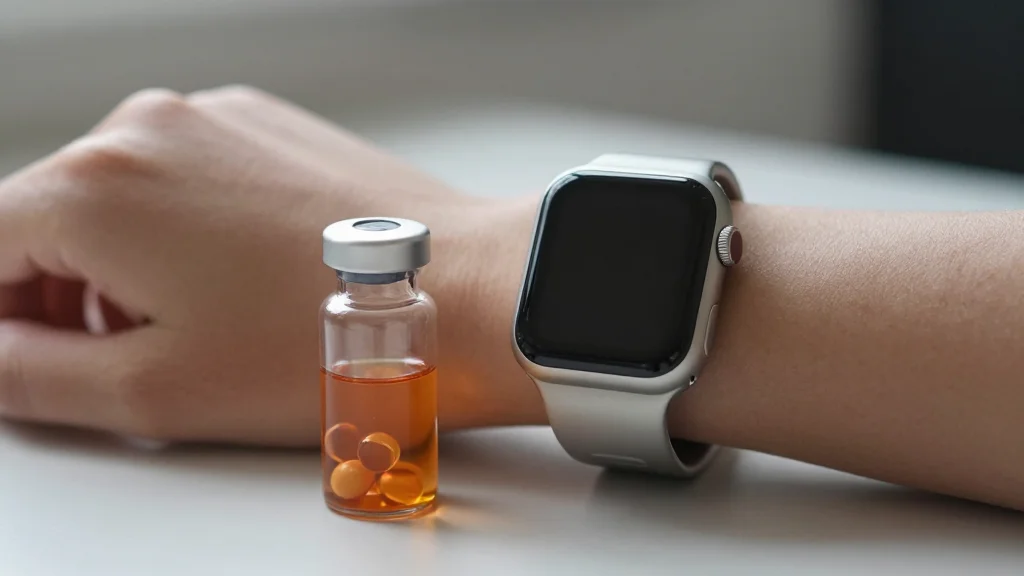
Wearables Spark Anxiety, Precision Probiotics Offer New Relief

Why It Matters
The twin findings underscore a paradigm shift in mental‑wellness: technology that once promised empowerment can become a source of stress, while microbiome science offers a biologically grounded counterweight. For clinicians, recognizing wearable‑induced anxiety may prompt new screening questions and digital‑detox recommendations. For the broader market, the rise of precision probiotics could spawn a new therapeutic category, attracting investment from both pharma and consumer‑health startups. Together, these trends highlight the need for integrated approaches that consider both external data streams and internal physiological ecosystems. Moreover, the research raises policy questions about how health‑tech devices are regulated for mental‑health impacts and how probiotic claims are vetted for scientific rigor. As anxiety disorders remain among the leading causes of disability worldwide, the ability to mitigate triggers while delivering targeted biological treatments could dramatically reduce the societal burden of mental illness.
Key Takeaways
- •Wearable health trackers can trigger acute anxiety by presenting unexpected heart‑rate data, especially for users with high baseline anxiety.
- •Dr Justin Anderson describes the resulting state as a dysregulated nervous system locked in sympathetic activation.
- •Duke‑NUS researchers identified indole‑producing gut microbes that calm the basolateral amygdala, reducing anxiety‑like behavior in mice.
- •Associate Professor Shawn Je says the study reveals a precise neural pathway linking microbes to mental health.
- •Upcoming clinical trials and smartwatch software updates aim to translate these findings into consumer‑ready solutions.
Pulse Analysis
The convergence of digital monitoring and microbiome therapeutics marks a watershed for the wellness industry, but the path forward is fraught with challenges. Wearable manufacturers have traditionally marketed continuous data as a virtue, yet the emerging evidence that raw metrics can fuel anxiety forces a redesign of user experience. Adaptive algorithms that learn an individual’s baseline and flag only clinically significant deviations could mitigate the prediction‑error loop that currently amplifies worry. Companies that succeed in embedding mental‑health literacy into their platforms may capture a new segment of health‑conscious consumers.
On the probiotic front, the shift from generic strains to metabolite‑specific formulations mirrors the broader move toward precision medicine in oncology and cardiology. Investors are likely to pour capital into startups that can demonstrate scalable production of indole‑rich microbes or synthetic analogs, but regulatory pathways remain unclear. The FDA’s current framework for dietary supplements does not require the same evidentiary standards as drugs, creating a gray zone where efficacy claims could outpace scientific validation. A coordinated effort between researchers, clinicians, and regulators will be essential to ensure that precision probiotics deliver on their promise without becoming another hype‑driven fad.
Ultimately, the anxiety landscape is being reshaped by two opposing forces: data that can both illuminate and alarm, and microbes that can both destabilize and restore. The most successful wellness strategies will likely blend behavioral interventions—such as mindful disengagement from constant monitoring—with biologically targeted therapies that address the gut‑brain axis. As the industry grapples with these dynamics, the next wave of products will be judged not just on novelty, but on their ability to demonstrably improve mental‑health outcomes.
Wearables Spark Anxiety, Precision Probiotics Offer New Relief
Comments
Want to join the conversation?
Loading comments...