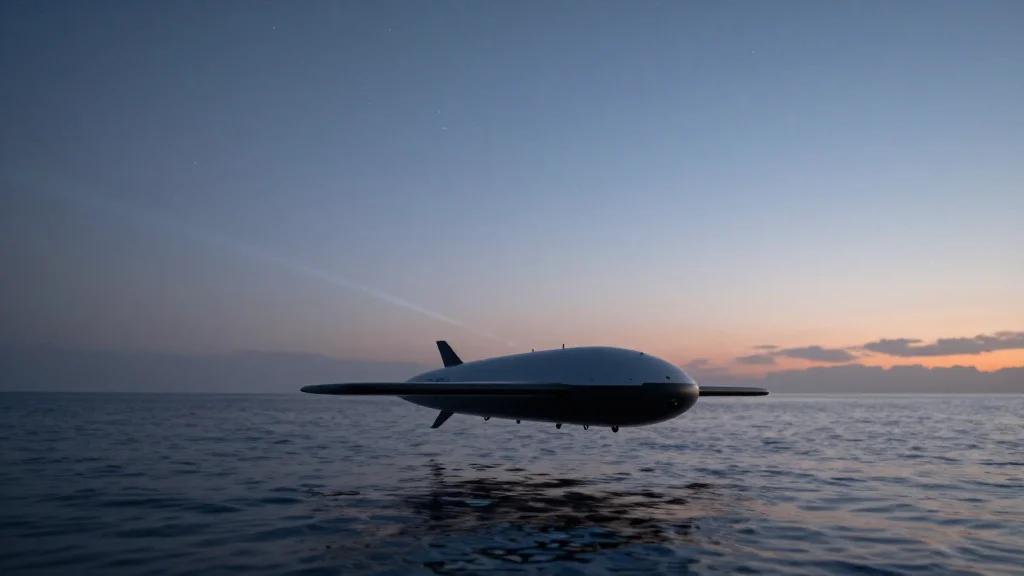
Starlink Outage Hit Drone Tests, Exposing Pentagon’s Growing Reliance on SpaceX
Companies Mentioned


Why It Matters
The outage highlights the operational risk of the Pentagon’s near‑monopoly reliance on a single commercial satellite provider, prompting calls for diversification to safeguard national security missions.
Key Takeaways
- •August 2024 Starlink outage halted two dozen Navy autonomous vessels
- •Navy tests showed Starlink struggles under multi‑vehicle data load
- •SpaceX eyes $2 trillion IPO, cementing its role in U.S. defense
- •Lawmakers warn Pentagon of single‑vendor dependence on SpaceX
- •Amazon’s $11.6 billion Globalstar deal intensifies competition in LEO communications
Pulse Analysis
The August Starlink blackout offered a rare glimpse into the Pentagon’s deep integration with commercial satellite services. While the low‑cost, globally available network has enabled rapid deployment of autonomous surface vessels and aerial drones, the Navy’s safety report revealed that simultaneous control of multiple platforms can overwhelm the system, leading to intermittent connectivity and operational pauses. Such technical constraints become critical when the military tests high‑stakes scenarios against near‑peer adversaries like China, where reliable command and control is non‑negotiable.
SpaceX’s looming $2 trillion public offering cements its status as a strategic asset for U.S. defense, but it also amplifies concerns about a single‑vendor supply chain. Congressional leaders have flagged the risk of over‑reliance on Elon Musk’s enterprises, citing past incidents where Starlink service was abruptly curtailed for allies. At the same time, competitors such as Amazon are investing heavily in low‑earth‑orbit constellations, exemplified by the $11.6 billion acquisition of Globalstar, which could introduce alternative pathways for secure communications and reduce the Pentagon’s exposure to one provider.
Looking ahead, the Department of Defense is likely to pursue a more layered communications architecture, blending commercial constellations with legacy military satellites and emerging private networks. Diversification strategies may include contractual safeguards, redundancy protocols, and joint development of next‑generation waveforms that can operate across multiple orbital assets. By balancing the cost advantages of Starlink with robust backup options, the U.S. can maintain operational resilience while mitigating the strategic risks highlighted by the recent outage.
Starlink outage hit drone tests, exposing Pentagon’s growing reliance on SpaceX
Comments
Want to join the conversation?
Loading comments...