Companies Mentioned



Why It Matters
If unchecked, biased and unreliable AI could embed discrimination into critical public and private services, eroding trust and prompting costly legal battles. The critique underscores the urgency for regulators and investors to demand verifiable safety standards before scaling AI products.
Key Takeaways
- •Current LLMs embed racial, gender, and geographic biases from training data
- •Companies find AI chatbots costly due to required human oversight
- •Noble urges investment in small, diverse models and human expertise
- •Tech firms often deny harms while facing increasing litigation
Pulse Analysis
The safety debate around generative AI has moved from academic circles to boardrooms as firms like Anthropic and OpenAI eye public listings. While investors tout rapid innovation, scholars such as Safiya Noble remind stakeholders that the underlying data pipelines still mirror historic inequities. Biases are not merely technical glitches; they reinforce systemic discrimination when models present outputs as objective facts. This disconnect between hype and reality fuels skepticism among corporations that have begun to scale back AI deployments due to hidden costs and reliability gaps.
Beyond ethical concerns, the economics of large‑scale language models are straining corporate balance sheets. Enterprises report that the expense of continuous human oversight—fact‑checking, bias mitigation, and model tuning—often outweighs the promised labor savings. Environmental footprints add another layer of scrutiny, as training massive models consumes significant energy. These operational challenges have prompted a retreat from flagship chatbot projects, prompting firms to explore more modular, energy‑efficient alternatives that can be audited more transparently.
Regulators and litigators are catching up, with recent court rulings exposing tech giants’ awareness of gender‑based harms. Noble’s call for “prosoc‑right‑respecting” technology emphasizes a shift toward smaller, community‑driven models that incorporate diverse perspectives from the outset. Embedding humanities expertise into AI development pipelines could serve as a guardrail against unchecked automation. As the legal landscape tightens, investors and policymakers will likely prioritize firms that demonstrate concrete safety protocols, transparent data provenance, and a commitment to human‑centered AI, reshaping the competitive dynamics of the emerging AI market.
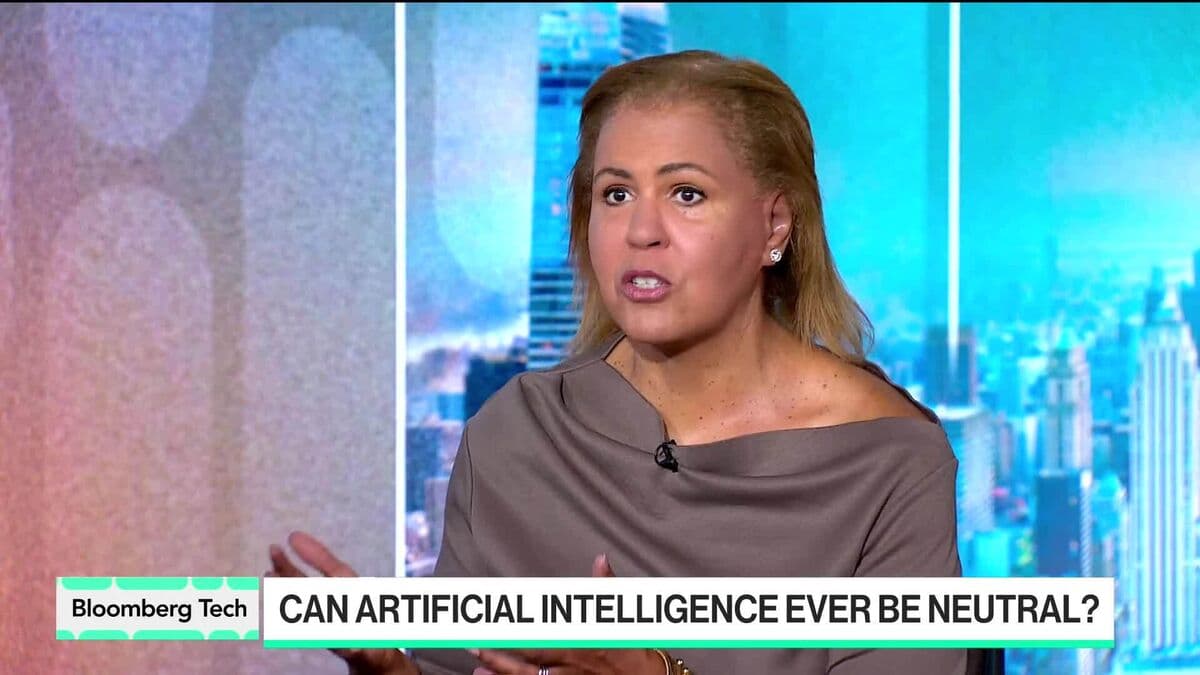
AI Is Not Safe Yet, Says UCLA Professor
Comments
Want to join the conversation?
Loading comments...