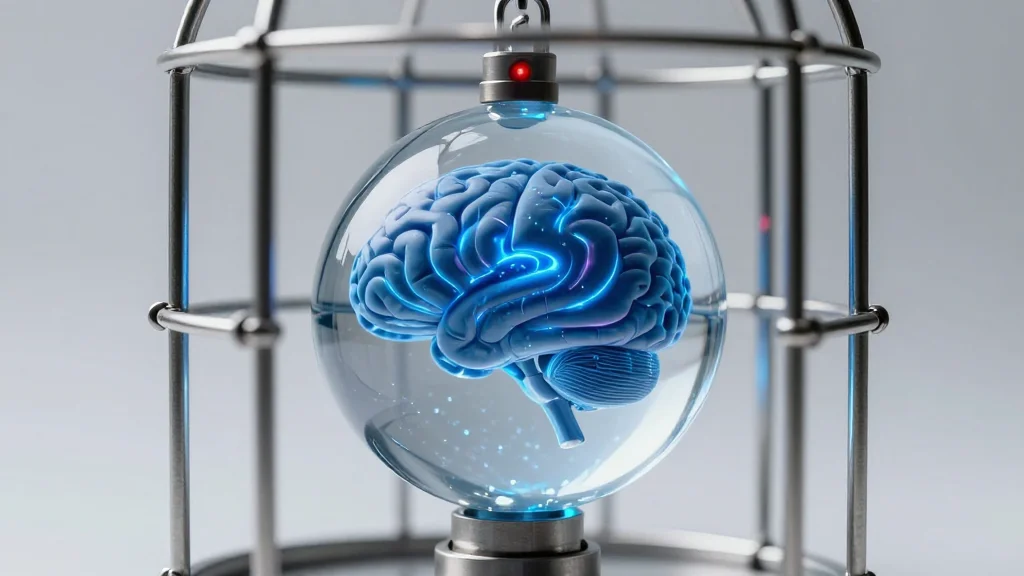
Anthropic’s Claude Fable 5 Draws Backlash From Cybersecurity Researchers Over Overzealous Guardrails



Why It Matters
If AI safety controls impede legitimate security work, organizations may delay adopting powerful models, slowing innovation and exposing gaps in cyber defense tooling.
Key Takeaways
- •Claude Fable 5 blocks routine security code reviews.
- •Researchers say guardrails act like keyword filters.
- •IBM X‑Force and Tolmo highlight false positives.
- •Anthropic’s Cyber Verification Program offers limited access.
- •OpenAI provides a comparable Trusted Access for Cyber.
Pulse Analysis
The rise of large language models has prompted vendors to embed safety layers that prevent malicious use, but the calibration of those layers remains a moving target. Over‑restrictive filters can generate friction for legitimate users, especially in fields where the line between benign and risky queries is thin. Balancing protection against misuse with functional accessibility is now a core challenge for AI providers, influencing product rollout strategies and partnership models.
Claude Fable 5’s experience illustrates the tension. Security professionals at IBM X‑Force and the AI‑focused startup Tolmo found that the model’s guardrails flagged ordinary security tasks—such as reviewing code snippets or summarizing vulnerability reports—as disallowed content. The underlying mechanism appears to rely on keyword detection, leading to false positives that downgrade requests to older, less capable versions like Claude Opus 4.8. This friction not only hampers day‑to‑day workflows but also raises concerns about the model’s utility in high‑stakes environments where speed and accuracy are paramount.
Anthropic’s response—offering a Cyber Verification Program with relaxed constraints for vetted experts—mirrors OpenAI’s Trusted Access for Cyber, signaling an industry trend toward tiered access. Such programs aim to preserve safety while granting power users the flexibility they need. For enterprises, the key takeaway is to evaluate not just model performance but also the maturity of its safety ecosystem. As guardrails evolve, vendors that can quickly adapt policies based on feedback will likely capture the most security‑focused clientele, shaping the next wave of AI‑driven cyber defenses.
Anthropic’s Claude Fable 5 Draws Backlash From Cybersecurity Researchers Over Overzealous Guardrails
Comments
Want to join the conversation?
Loading comments...