Apple’s AI Pitch Will Live or Die by Its Privacy Promise
Companies Mentioned


Why It Matters
By positioning privacy as a core differentiator, Apple can attract users wary of data harvesting while attempting to catch up in the fast‑moving generative‑AI market.
Key Takeaways
- •Apple Intelligence runs on Google Gemini models via Private Cloud Compute
- •On-device processing remains default; cloud used only when needed
- •Apple claims no content data stored or used for training
- •Partnership with Google and Nvidia expands supply chain, raising security questions
- •Privacy differentiation may offset Apple’s lag behind AI competitors
Pulse Analysis
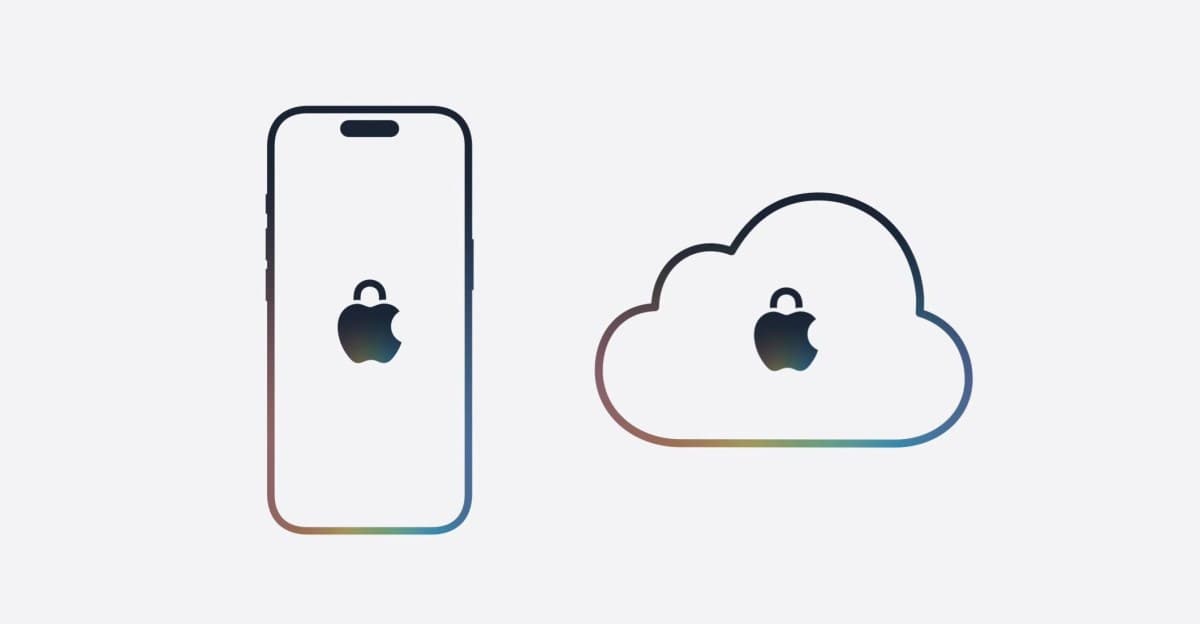
Apple’s AI debut at WWDC 2026 marks a strategic pivot from its historically cautious approach to generative technology. Rather than racing to match the raw capabilities of OpenAI’s ChatGPT or Google’s Gemini, Apple framed its offering around a privacy‑first architecture. By keeping the majority of inference on‑device and relegating only the most demanding tasks to a secure Private Cloud Compute, the company seeks to reassure a user base that values data protection as much as convenience. This narrative resonates in a market where data‑centric AI models have drawn regulatory scrutiny and public concern.
The technical underpinnings of Apple Intelligence reveal a hybrid model that blends Apple’s silicon expertise with external cloud resources. Private Cloud Compute now runs on Google Cloud infrastructure, leveraging Nvidia GPUs, Intel CPUs and Google’s Titan chips to host Gemini‑based models. Apple mitigates the expanded supply chain risk through a cryptographically verifiable ledger that logs each hardware component, yet skeptics note that reliance on third‑party hardware introduces attack vectors absent from Apple‑only data centers. Nonetheless, the on‑device processing pipeline—powered by the latest Apple silicon—continues to limit data exposure, while end‑to‑end encryption safeguards any cloud‑derived logs stored in iCloud.
From a business perspective, Apple’s privacy promise could become a decisive market differentiator. Enterprises and consumers increasingly demand transparent data handling, and Apple’s claim of zero content retention positions it favorably against competitors that monetize user interactions for model training. If the privacy narrative holds up under independent audit, Apple may capture a segment of the AI market that prioritizes security over sheer performance, potentially accelerating adoption of its ecosystem‑wide AI services. Conversely, any breach or perceived laxity in the cloud partnership could erode trust, underscoring the high stakes of Apple’s bet on privacy as its competitive edge.
Apple’s AI pitch will live or die by its privacy promise
Comments
Want to join the conversation?
Loading comments...