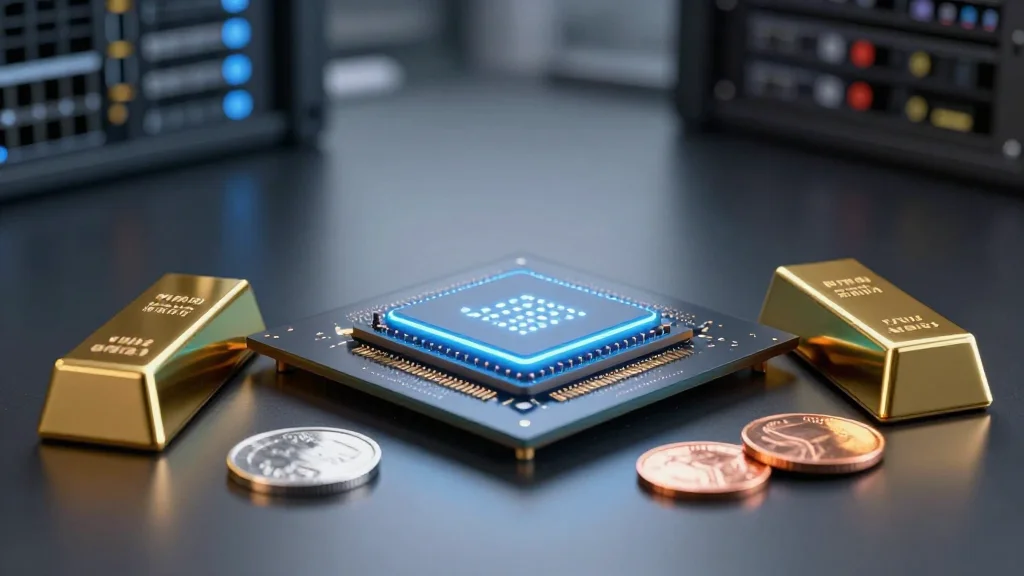
Big Tech’s AI Spending Is Depriving Investors of Juicy Payouts
Why It Matters
The shift from buybacks to AI‑related capex reduces immediate shareholder returns and raises debt risk, reshaping valuation dynamics for the S&P 500’s largest contributors. Investors must reassess earnings quality and balance‑sheet health amid escalating tech spending.
Key Takeaways
- •Hyperscalers plan $755 billion capex, up 83% YoY
- •Buyback allocations fell to 20% of spending, from 34% historically
- •Microsoft is only hyperscaler maintaining quarterly share repurchases
- •Apple cut buybacks to $12.3 billion, despite lower AI spend
- •Goldman warns $400 billion debt rise if cash flow stalls
Pulse Analysis
The AI arms race is reshaping capital allocation across the technology sector. Goldman Sachs projects that the five biggest hyperscalers—Amazon, Alphabet, Meta, Microsoft and Oracle—will collectively pour $755 billion into data centers, memory chips and related infrastructure this year, a staggering 83% increase over the prior period. This spending surge is being financed largely from operating cash flow, pushing capex to match roughly 100% of cash generation and leaving little room for traditional shareholder‑return mechanisms.
Shareholder payouts are feeling the pinch. The same analysts note that buyback and dividend spending has dropped to just 20% of total outlays, a sharp decline from the 34% average seen between 2017 and 2022. Alphabet and Amazon have stopped repurchasing stock altogether, while Meta skipped buybacks for two consecutive quarters. Only Microsoft managed to keep its quarterly buyback pace, and Apple, despite a lighter AI spend, halved its repurchase program to $12.3 billion. This retreat from buybacks signals a strategic pivot toward funding the AI infrastructure that investors now view as essential for long‑term growth.
The broader market implications are significant. Goldman estimates that if capex growth remains on this trajectory, the hyperscalers could need an additional $400 billion in net debt to sustain operations, a level that would reverberate through the S&P 500’s aggregate balance sheets. While the immediate buyback headwind may dampen earnings per share, it could also redirect capital toward semiconductor suppliers and other beneficiaries of the AI supply chain, potentially offsetting some pressure on overall buyback activity. Investors should monitor cash‑flow trends and debt metrics closely as AI spending redefines the risk‑return profile of the sector.
Big Tech’s AI spending is depriving investors of juicy payouts
Comments
Want to join the conversation?
Loading comments...