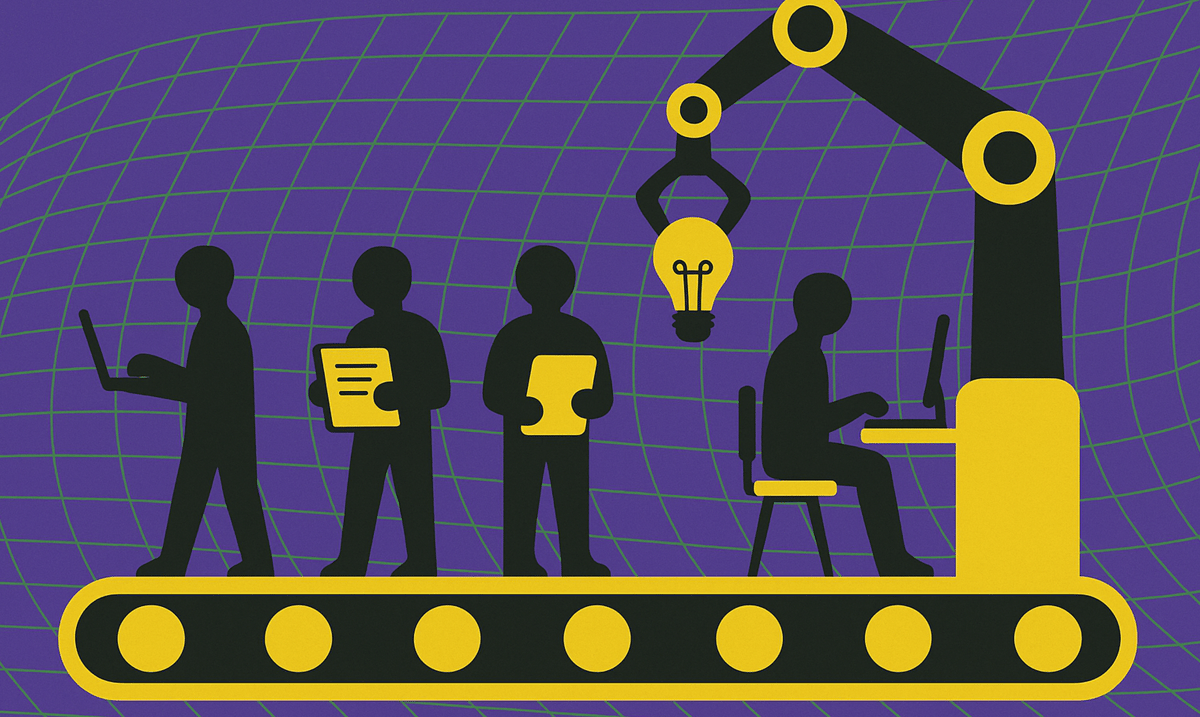
Deepmind and Anthropic CEOs Expect AI to Hit Entry-Level Jobs and Internships in 2026
•January 20, 2026
0
Companies Mentioned


Why It Matters
The predicted loss of entry‑level roles could reshape talent pipelines and increase pressure on policy makers to address workforce transition.
Key Takeaways
- •AI may replace many entry‑level positions by 2026.
- •Half of young professionals' office jobs at risk.
- •Governments lack preparation for rapid AI disruption.
- •New, higher‑skill jobs could emerge alongside cuts.
- •Labor market adaptation lag threatens economic stability.
Pulse Analysis
At the World Economic Forum, DeepMind founder Demis Hassabis and Anthropic CEO Dario Amodei sounded an alarm about AI’s near‑term impact on entry‑level employment. Their observations stem from internal staffing trends: DeepMind is already seeing fewer internship slots, while Anthropic projects a sharp reduction in junior and mid‑level hires. Both executives argue that generative AI models can now perform routine analytical, coding, and communication tasks, setting the stage for a broader displacement of roles traditionally filled by recent graduates.
The ripple effects extend beyond corporate headcount. Universities and vocational programs may need to pivot toward advanced data‑science, AI‑ethics, and interdisciplinary skills to keep graduates marketable. Policymakers are being urged to consider measures such as targeted upskilling subsidies, AI‑tax proposals, or universal basic income pilots to cushion the transition. Companies that proactively reskill their workforce could retain talent and mitigate churn, while those that wait risk widening skill gaps and reputational damage.
Long‑term, the disruption could catalyze entirely new occupational categories—AI‑augmented product designers, AI‑policy auditors, and AI‑trust engineers, to name a few. However, realizing these opportunities hinges on coordinated regulation that balances innovation with labor protection. Nations that establish clear AI governance frameworks may attract high‑value AI investments, whereas laggards could see talent drain and economic stagnation. The coming years will test the agility of both the private sector and public institutions in navigating an AI‑driven labor market reshuffle.
Deepmind and Anthropic CEOs expect AI to hit entry-level jobs and internships in 2026
0
Comments
Want to join the conversation?
Loading comments...