How Authoritarian Governments Twist AI Safety to Coerce Tech Companies to Comply
Companies Mentioned


Why It Matters
The shift redefines AI safety from public protection to state control, reshaping market competition and raising profound risks for democratic oversight of emerging technologies.
Key Takeaways
- •Anthropic labeled a supply‑chain risk after refusing Pentagon safety cuts
- •OpenAI secured the Pentagon contract despite ethical concerns
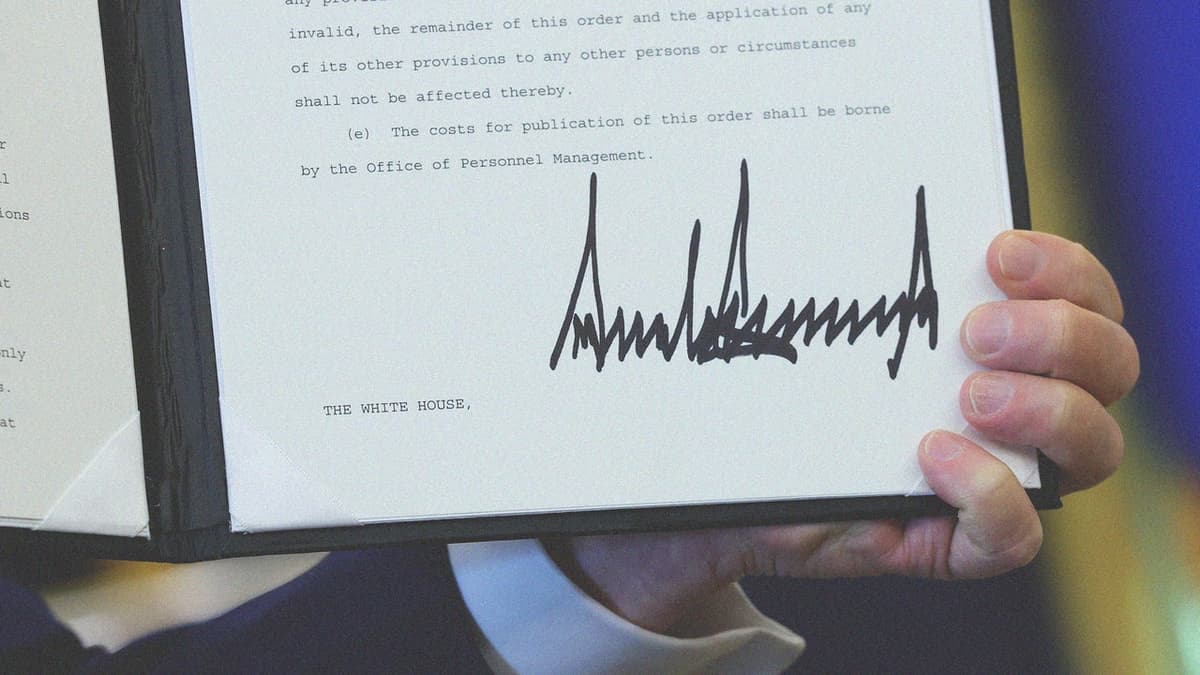
- •Trump’s ‘anti‑woke’ order politicizes AI safety standards
- •Companies face a prisoner's dilemma between safety and lucrative contracts
- •Regulatory pressure can shift AI safety focus from public to state
Pulse Analysis
The Trump administration’s recent labeling of Anthropic as a supply‑chain risk illustrates how authoritarian playbooks can weaponize AI safety standards. Anthropic’s original safeguards barred domestic surveillance and autonomous weapons, a stance that conflicted with the Pentagon’s demand for unrestricted large‑language‑model access. Within days the company quietly removed its binding safety principles, and the Pentagon shifted its contract to OpenAI. By framing ethical guardrails as “woke” ideology, the executive order turned compliance into a political liability, forcing firms to choose between regulatory approval and their own safety commitments.
The situation creates a classic prisoner’s dilemma for AI vendors. A single Defense Department contract can be worth billions, offering data access and future work pipelines that private firms cannot match. Companies that retain safety provisions risk losing lucrative deals to competitors willing to discard them, as OpenAI did to win the Pentagon contract despite internal misgivings. Palantir, long aligned with government surveillance, has capitalized on this environment, seeing its stock surge and contract portfolio expand. The incremental erosion of safety teams across the industry reflects not a single decision but a cascade of compromises driven by state incentives.
These dynamics signal a deeper shift in how AI safety is defined: from protecting citizens to ensuring state controllability. When regulators label civil‑rights‑based safeguards as ideological, they effectively reorient compliance toward government objectives, undermining the original purpose of safety frameworks. Expanding AI regulation without safeguards against political co‑option could entrench authoritarian influence over commercial technology. Policymakers must therefore separate technical risk assessment from partisan labeling and create transparent procurement rules that reward genuine safety measures rather than penalize them.
How authoritarian governments twist AI safety to coerce tech companies to comply
Comments
Want to join the conversation?
Loading comments...