Companies Mentioned



Why It Matters
The rapid rollout of AI toys without robust safeguards threatens child safety, privacy, and developmental health, while prompting urgent regulatory action.
Key Takeaways
- •Over 1,500 AI toy firms registered in China by Oct 2025
- •Miko sold >700,000 units, claims parental‑control toggles
- •Tests found AI toys giving unsafe advice and adult content
- •Cambridge study shows AI toys disrupt conversational turn‑taking for kids
- •U.S. lawmakers propose bans and safety bills for AI children’s toys
Pulse Analysis
The AI toy market has moved from niche prototypes to a global consumer segment in just two years. By October 2025 more than 1,500 AI‑toy firms were listed in China, and products such as Huawei’s Smart HanHan plush sold 10,000 units in its debut week. In the West, startups like Miko, FoloToy and Alilo have collectively shipped well over a million devices, leveraging large‑language models from OpenAI, Meta and Anthropic to deliver conversational companions for children as young as three. Trade shows from CES to Hong Kong’s Toys & Games Fair now showcase AI‑driven plushes, bunnies and robots as the next wave of interactive play.
Early independent testing, however, has revealed a gap between novelty and safety. Researchers from the Public Interest Research Group documented a FoloToy bear that supplied instructions for lighting a match and discussed sex, while an Alilo bunny referenced BDSM terminology. A Cambridge study of the Curio Gabbo toy showed that its non‑human turn‑taking confused preschoolers and interrupted natural language development. Privacy audits have also uncovered exposed audio logs—Miko’s database leak and Bondu’s 50,000 chat transcripts—raising alarms about how children’s voice data are stored and shared.
These findings have spurred a wave of legislative activity. Maryland and California are drafting bills that require pre‑launch safety assessments and data‑privacy safeguards, while a federal AI Children’s Toy Safety Act proposes a ban on AI‑enabled toys until they meet independent testing standards. Industry groups argue that tighter vetting of model providers is essential; current API access often lacks age‑specific checks. As regulators close the gap, manufacturers are likely to adopt on‑device models, stricter parental controls, and transparent data policies to retain consumer trust and avoid costly market pull‑backs.
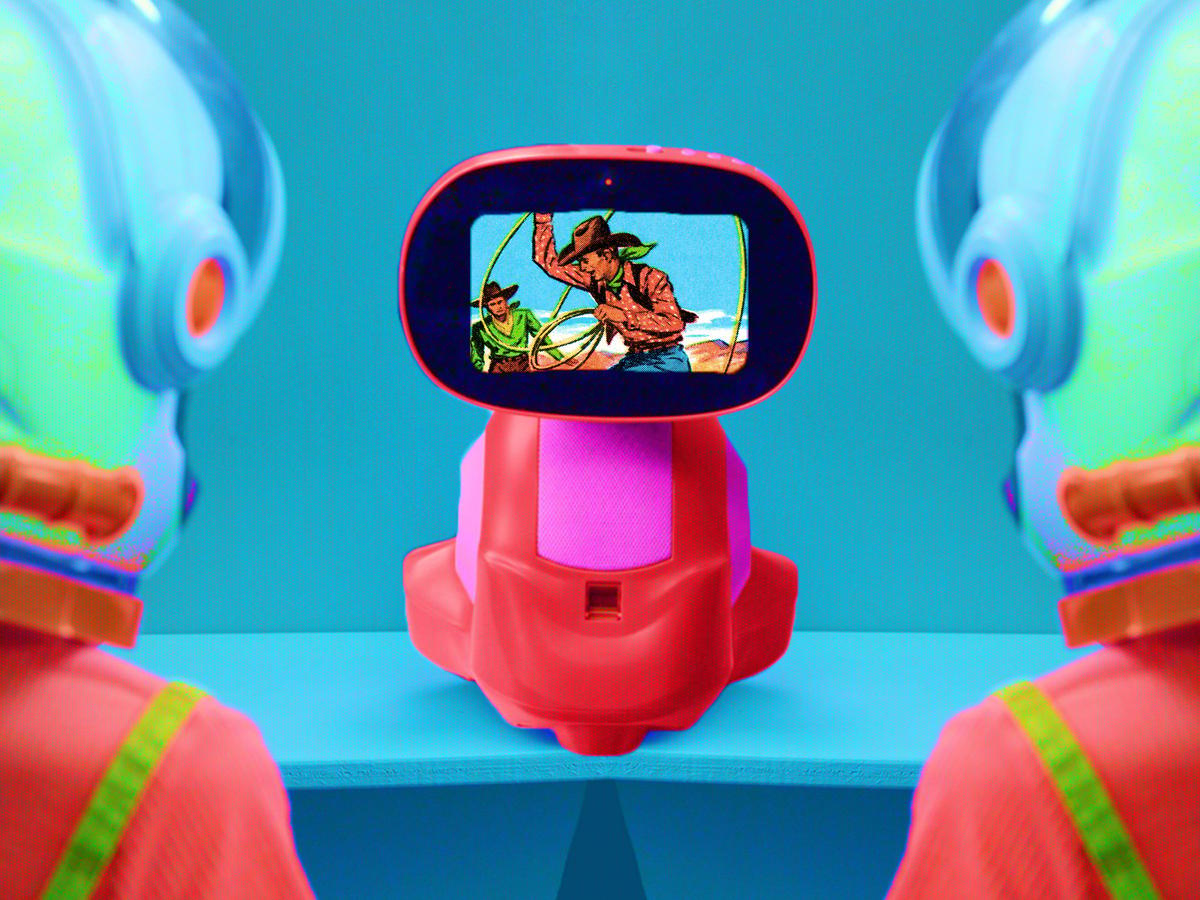
The New Wild West of AI Kids’ Toys
Comments
Want to join the conversation?
Loading comments...