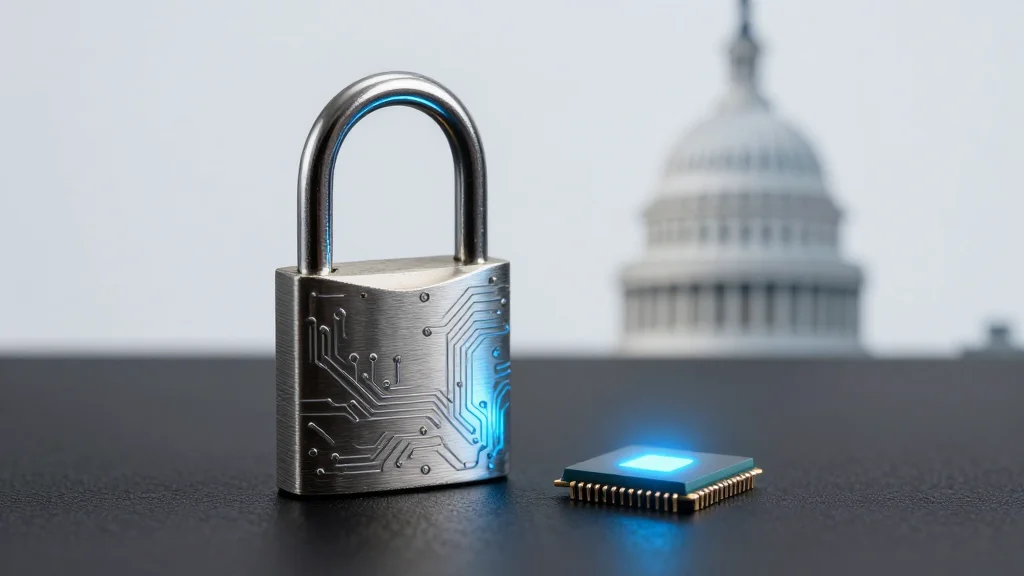
Trump Signs Executive Order for 30‑Day Government Access to Advanced AI Models

Companies Mentioned


Why It Matters
The executive order represents the first major U.S. policy effort to embed cybersecurity checks directly into the AI development pipeline. By granting the government early access to cutting‑edge models, officials aim to preempt vulnerabilities that could be weaponized against critical infrastructure. The approach also sets a precedent for other nations grappling with the dual‑use nature of powerful AI systems. If successful, the framework could balance national security with the rapid pace of AI innovation, offering a template for public‑private collaboration. Conversely, if companies view the requirement as a threat to trade secrets, they may limit cooperation, potentially weakening the United States’ ability to detect and mitigate AI‑driven threats.
Key Takeaways
- •Trump signs executive order creating a voluntary 30‑day pre‑release window for AI models
- •Order targets OpenAI, Google, Anthropic and other leading developers
- •Establishes an AI cybersecurity clearinghouse involving Treasury, NSA and CISA
- •Original draft called for 90‑day access; tech firms had pushed for 14‑day limit
- •Venture capitalist David Sacks warned the measure could hinder U.S. AI competitiveness
Pulse Analysis
The Trump administration’s AI order is a strategic gamble that seeks to harness the government’s intelligence capabilities without imposing heavy-handed regulation. Historically, U.S. tech policy has swung between laissez‑faire and interventionist extremes; this middle‑ground approach mirrors the post‑9/11 security architecture where private firms voluntarily share threat data with agencies. By limiting the window to 30 days, the order acknowledges the fast‑moving nature of AI research while still granting regulators a foothold.
From a market perspective, the order could create a new compliance niche. Companies may invest in dedicated security teams to prepare pre‑release dossiers, spawning a wave of AI‑focused consultancy services. At the same time, the voluntary nature may lead to a fragmented landscape where only the most risk‑averse firms participate, potentially giving competitors—especially Chinese firms with state‑backed resources—a relative advantage. The administration’s decision to scrap Biden’s broader safety‑testing mandate in favor of a narrower, security‑oriented framework suggests a prioritization of immediate cyber threats over longer‑term ethical concerns such as bias and misinformation.
Looking ahead, the real test will be the clearinghouse’s ability to translate technical findings into actionable policy. If the agency can demonstrate that early access prevented a high‑profile breach, the model may gain bipartisan support and evolve into a permanent fixture. Failure to deliver tangible security benefits, however, could fuel industry backlash and reignite calls for a more hands‑off approach, reshaping the balance of power between Washington and the AI innovators who drive the next wave of economic growth.
Trump Signs Executive Order for 30‑Day Government Access to Advanced AI Models
Comments
Want to join the conversation?
Loading comments...