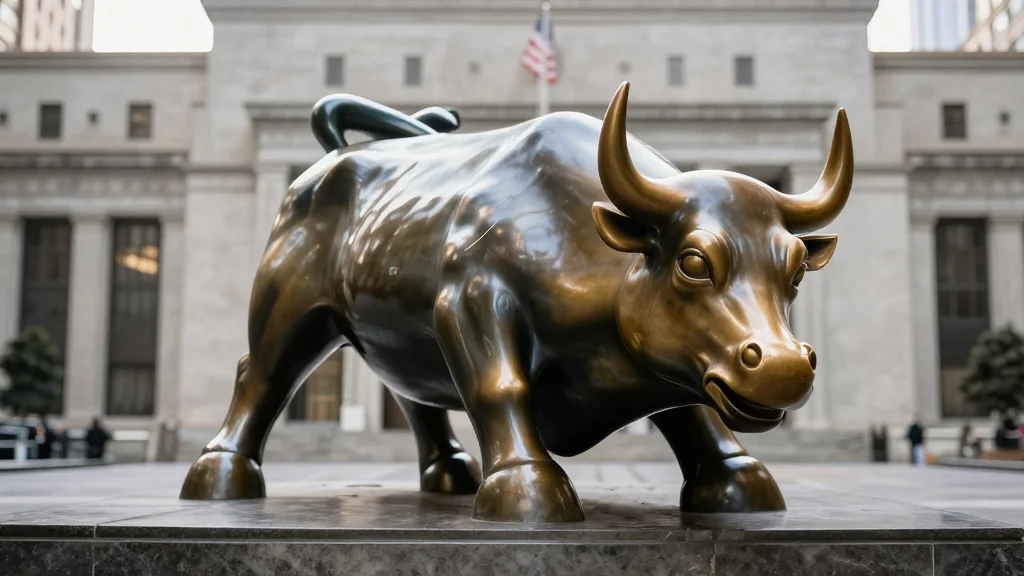
Fed Chair Kevin Warsh Takes Helm as U.S. Stocks Reach Record Highs Amid Rate Tensions

Companies Mentioned

Why It Matters
The clash between the White House’s rate‑cut agenda and the Fed’s inflation mandate creates a pivotal inflection point for U.S. equities. A decision to keep rates high could temper the recent rally in the Dow, S&P 500 and Nasdaq, especially in rate‑sensitive sectors like technology and real estate. Conversely, a move toward lower rates would likely fuel further equity gains but risk reigniting inflationary pressures, potentially destabilizing the broader economy. Warsh’s handling of these competing forces will shape investor confidence, corporate borrowing costs, and the pace of capital allocation across the American stock market. Additionally, the Broadcom earnings miss underscores the heightened expectations for AI‑related revenue streams. As investors recalibrate valuations for chipmakers and other AI beneficiaries, the sector could experience heightened volatility, influencing the performance of tech‑heavy indices and the broader market sentiment toward growth stocks.
Key Takeaways
- •Kevin Warsh sworn in as Fed chair on May 22, faces Trump’s push for 1% rates and 3.8% inflation.
- •Dow up 1.35%, S&P 500 up 2.64%, Nasdaq up 4.18% – all‑time highs recorded.
- •Broadcom shares fell 14.6% after missing a $100 billion AI‑chip sales forecast.
- •Fed’s federal funds target sits at 3.5%‑3.75%; markets pricing a 25 bp hike by year‑end.
- •Strong labor market: May non‑farm payrolls rose 172 k, unemployment steady at 4.3%.
Pulse Analysis
Warsh inherits a Fed that is walking a tightrope between political pressure and data‑driven policy. Historically, new chairs who bucked presidential demands – such as Ben Bernanke in 2006 – faced market turbulence but ultimately preserved credibility by anchoring expectations around inflation targets. Warsh’s early test will be whether he can maintain that independence while navigating a labor market that continues to surprise on the upside. If he leans toward a rate hike, we can expect a short‑term pullback in high‑growth equities, especially AI‑centric chipmakers that have become the darlings of the current rally. A dovish tilt, however, could reignite concerns about a wage‑price spiral, especially given the recent surge in oil prices tied to Middle‑East tensions.
The Broadcom episode illustrates a broader shift: investors now demand not just earnings beats but forward‑looking guidance that aligns with the AI hype cycle. Companies that cannot convincingly map out multi‑year AI revenue pipelines may see their valuations compressed, even as the overall market climbs. This dynamic could lead to a more pronounced sector rotation, with defensive stocks gaining ground if the Fed signals tighter policy.
Looking ahead, the June 17 FOMC meeting will be the first litmus test for Warsh’s policy stance. Market participants will dissect his opening remarks for hints about the Fed’s inflation outlook and the likelihood of a rate hike. A clear signal of higher rates could temper the equity rally, while an ambiguous stance may keep the momentum alive but increase volatility. In either scenario, the interplay between fiscal policy, geopolitical risk, and the AI‑driven growth narrative will define the next chapter for American stocks.
Fed Chair Kevin Warsh Takes Helm as U.S. Stocks Reach Record Highs Amid Rate Tensions
Comments
Want to join the conversation?
Loading comments...