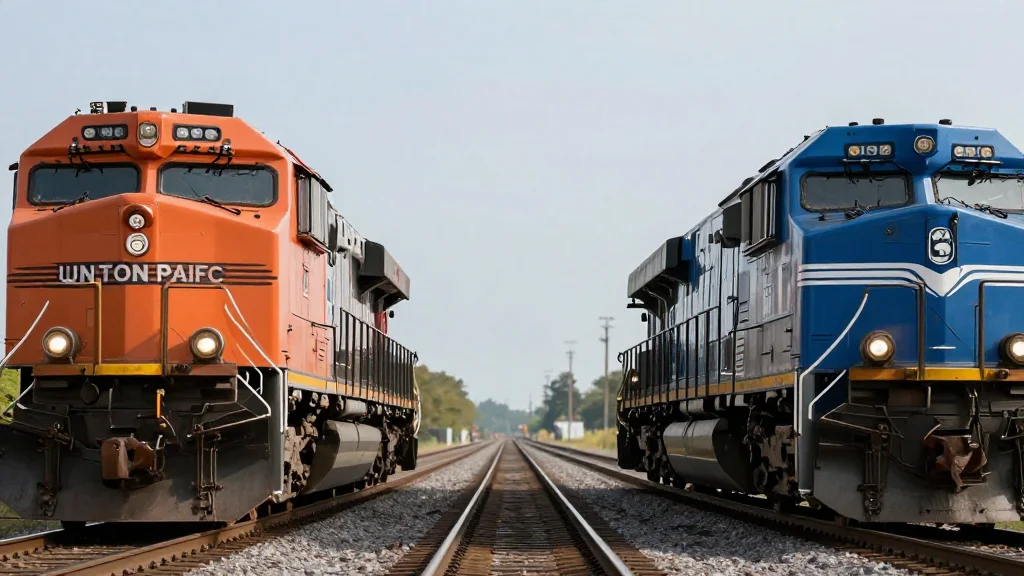
STB Pauses Review of Union Pacific‑Norfolk Southern Merger, Citing Information Gaps

Companies Mentioned
Why It Matters
The merger would create a single freight rail network controlling roughly 40% of U.S. intercity rail capacity, reshaping logistics costs for manufacturers, agricultural producers, and retailers. A delayed or blocked deal could preserve competition among the four major Class I railroads, keeping freight rates more competitive and safeguarding thousands of rail jobs. Conversely, approval could unlock operational efficiencies, potentially lowering shipping costs but also concentrating market power in ways that regulators and lawmakers are wary of. Beyond the rail sector, the STB’s intervention signals heightened regulatory vigilance over mega‑mergers in critical infrastructure. Investors in transportation stocks are watching the outcome closely, as the decision will set a precedent for how future consolidations—especially those with national‑security overtones—are evaluated.
Key Takeaways
- •STB paused the Union Pacific‑Norfolk Southern merger review, demanding additional data by July 27, 2026.
- •The board cited unclear competitive impact, shipper access, and public‑benefit provisions in the revised filing.
- •Former President Donald Trump suggested a 15% government stake in the merger, adding political pressure.
- •Union Pacific shares fell 2.3% and Norfolk Southern shares dropped 1.9% after the announcement.
- •Analysts warn the delay could compress integration timelines and affect earnings forecasts for both railroads.
Pulse Analysis
The STB’s pause underscores a broader shift toward more granular scrutiny of infrastructure consolidations that have far‑reaching economic implications. While the rail industry has historically benefited from scale economies, the sheer size of this deal—projected to create a network with over 20,000 miles of track—raises antitrust and public‑interest questions that go beyond traditional competition analysis. The board’s request for detailed market‑share projections and service‑assurance plans reflects a desire to quantify any potential price‑setting power before green‑lighting a transaction that could reshape freight logistics for a generation.
Political dynamics are also at play. Trump’s public flirtation with a federal equity stake, though unlikely to materialize, signals a willingness among some policymakers to leverage strategic assets for fiscal gain. If the administration were to pursue a stake, it would set an unprecedented precedent for government involvement in private mergers, potentially prompting a wave of similar proposals across other critical sectors. For investors, the key takeaway is heightened uncertainty: the merger’s timeline is now fluid, and any further regulatory hurdles could depress transportation stock valuations in the short term while preserving competitive dynamics that benefit shippers.
In the longer view, the outcome will influence how Class I railroads approach future growth—whether through organic expansion, strategic alliances, or outright acquisitions. A cleared merger could accelerate a trend toward mega‑rail entities, prompting regulators to develop new frameworks for assessing systemic risk in the logistics chain. Conversely, a rejection or prolonged delay would reinforce the status quo, keeping the four‑railroad landscape intact and preserving a more fragmented, albeit competitive, market structure.
STB Pauses Review of Union Pacific‑Norfolk Southern Merger, Citing Information Gaps
Comments
Want to join the conversation?
Loading comments...