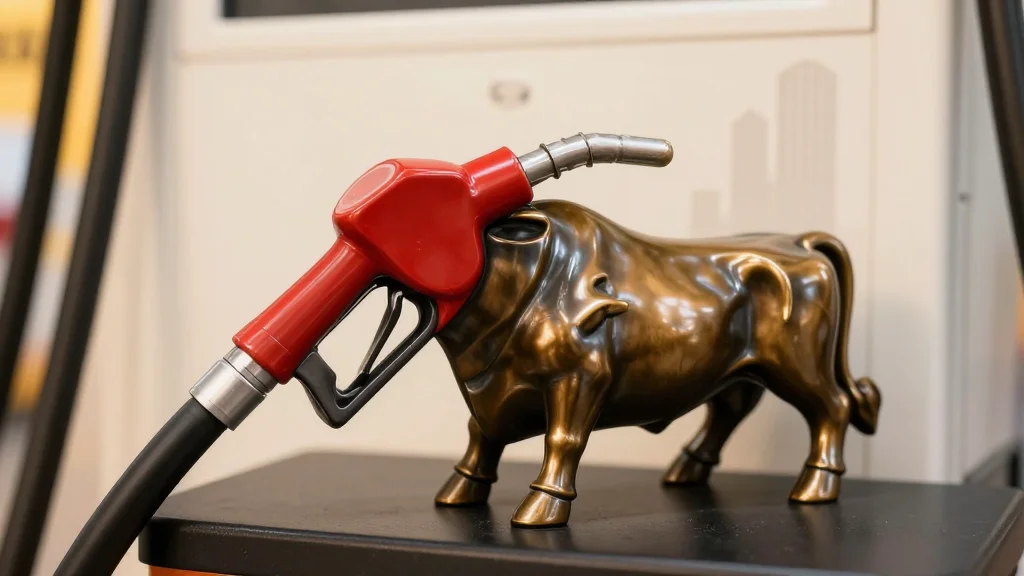
Trump‑driven Tariffs and Iran Conflict Push US Inflation to 3.8%, Rattling Wall Street

Why It Matters
The convergence of trade‑policy‑driven cost increases and a major geopolitical supply shock is reshaping the risk profile of U.S. equities. Higher inflation erodes real returns and can trigger a more hawkish Federal Reserve, which historically depresses high‑growth stocks that dominate the Nasdaq. At the same time, energy‑intensive industries may see margins squeezed, prompting a sector rotation toward commodities and defensive holdings. Understanding how “Trumpflation” feeds into monetary policy expectations is essential for investors navigating the current volatility. Moreover, the episode underscores how political decisions can rapidly translate into macro‑economic data that moves markets. The record highs in the Dow, S&P 500 and Nasdaq, achieved despite rising prices, highlight the tension between investor optimism about AI and IPO pipelines and the underlying inflationary drag. The outcome will influence capital allocation decisions across the broader American stock market for months to come.
Key Takeaways
- •President Trump's new tariffs on unfinished goods raise input costs, keeping inflation elevated.
- •Iran's closure of the Strait of Hormuz halted ~20 million barrels per day, spiking oil prices.
- •U.S. regular‑grade gasoline averages $4.54 per gallon, up $1.56 since the conflict began.
- •Trailing‑12‑month inflation hit 3.8% in April; Cleveland Fed now forecasts 4.18% in May.
- •Fed chair Jerome Powell's term ends May 15, raising questions about future rate‑policy direction.
Pulse Analysis
The current market rally is being propped up by two divergent forces: a wave of AI‑centric IPOs that have lifted the Nasdaq and a stubborn inflation backdrop that threatens to erode those gains. Historically, when inflation breaches the 3%‑4% band, the Fed moves to tighten monetary policy, which compresses the valuation multiples of growth‑oriented stocks. The fact that the Dow and S&P 500 have still managed to set record highs suggests that investors are either betting on a delayed Fed response or are willing to accept higher risk premiums for exposure to AI breakthroughs.
From a sector perspective, the tariff‑induced cost push is likely to benefit domestic producers who can pass higher input prices onto consumers, but it also squeezes margins for import‑reliant manufacturers. Meanwhile, the Hormuz shutdown has injected a supply‑side shock that could keep energy prices elevated for the foreseeable future, reinforcing a shift toward energy‑linked equities. The net effect is a more pronounced rotation from high‑growth tech to commodities and industrials, a pattern that could persist if inflation remains above the Fed’s 2% target.
Looking ahead, the Fed’s next policy decision will be the decisive catalyst. If the new chair signals a willingness to let inflation run higher before tightening, the equity market may continue its upward drift, albeit with heightened volatility. Conversely, an early rate hike could trigger a sharp correction, especially in the overvalued tech segment. Investors should therefore monitor both policy language and any further geopolitical developments in the Middle East, as each could tip the balance of risk in the American stock market.
Trump‑driven tariffs and Iran conflict push US inflation to 3.8%, rattling Wall Street
Comments
Want to join the conversation?
Loading comments...