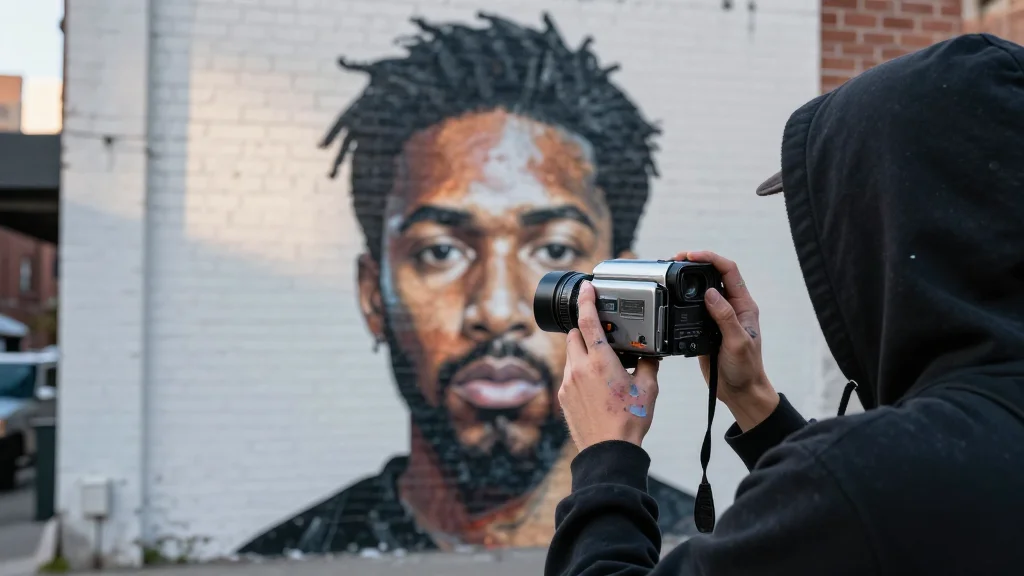
BBC “Buried” Footage of Banksy at New York City Mural Site, Former Reporter Claims

Why It Matters
The incident underscores the clash between journalistic scoop‑culture and the protective veil that fuels Banksy’s cultural cachet, influencing how media handle high‑profile anonymity. It also highlights how editorial decisions can shape public discourse around street‑art legitimacy and market value.
Key Takeaways
- •Former BBC reporter claims footage of Banksy was suppressed
- •Footage allegedly captured Banksy unveiling a mural of Kurdish artist Zehra Dogan
- •BBC cited audience polls and ethical concerns to withhold identity
- •Reuters later named Robin Gunningham as Banksy's possible real name
- •The incident highlights tension between journalism and protecting artistic anonymity
Pulse Analysis
Banksy’s mystique has long been a double‑edged sword for both the art world and the media. While his anonymous street interventions command premium prices at auction, the secrecy also fuels relentless investigative efforts. The BBC, a global news authority, found itself at the crossroads of delivering a rare visual scoop and preserving the artist’s carefully cultivated anonymity. Bryant’s claim that the network deliberately shelved the footage illustrates how audience sentiment—reflected in internal polls indicating a preference for mystery—can steer editorial judgment.
The alleged 2018 footage, captured at the iconic Houston Bowery Wall, would have offered a rare glimpse of Banksy’s creative process and his political messaging, which this time featured a portrait of Zehra Dogan, a Kurdish artist imprisoned in Turkey. BBC executives reportedly weighed the potential public interest against the risk of eroding the artist’s political impact. By choosing to “bury” the material, they aligned with a broader media ethic that sometimes prioritizes the preservation of cultural phenomena over immediate news value, especially when the subject’s anonymity is integral to their influence.
The fallout from this episode reverberates beyond a single newsroom. It raises questions about the responsibility of journalists when handling content that could compromise an artist’s safety or dilute their message. Moreover, it spotlights how the street‑art market reacts to revelations about creators’ identities—often with price volatility and shifting collector interest. As Reuters later surfaced a possible real name for Banksy, the tension between exposure and protection remains a pivotal narrative, shaping future coverage of clandestine creators and the ethical frameworks that govern it.
BBC “Buried” Footage of Banksy at New York City Mural Site, Former Reporter Claims
Comments
Want to join the conversation?
Loading comments...