How Super-Skinny Red Carpet Trend at Met Gala Clashes with Own Its Body-Positive Costume Art Show
Companies Mentioned
Why It Matters
The clash highlights tension between genuine body‑positivity efforts and commercial fashion practices, influencing how brands and cultural institutions address inclusivity. It also pressures industry leaders to reconcile sponsorship optics with authentic representation.
Key Takeaways
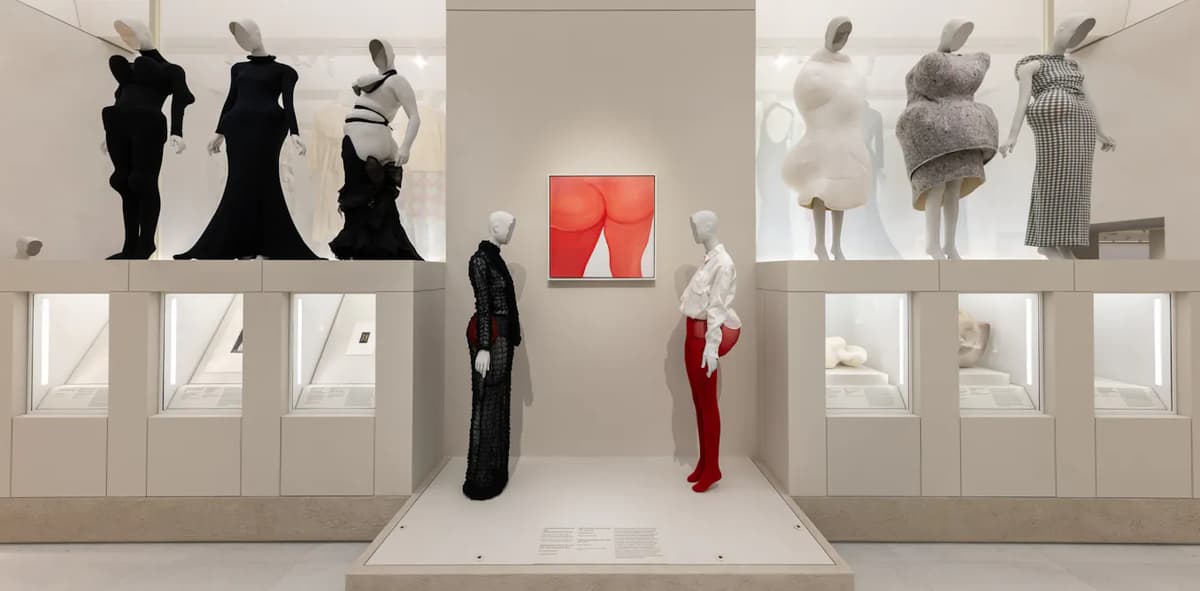
- •Costume Art exhibit features mannequins of varied sizes, abilities, and ages.
- •Jeff Bezos and Lauren Sánchez contributed roughly $10 million sponsorship.
- •Red‑carpet looks remained dominated by ultra‑thin celebrities despite exhibition’s intent.
- •Industry data shows plus‑size runway representation fell 50% year‑over‑year.
- •GLP‑1 weight‑loss drugs intensify debate over lasting body‑positivity.
Pulse Analysis
The Costume Art exhibition at the Metropolitan Museum of Art marks a notable shift in curatorial practice, foregrounding mannequins that mirror real‑world diversity—ageing, disabled, pregnant, and plus‑size bodies. By commissioning sculptor Frank Benson to create a permanent collection of these figures, the Costume Institute signals a long‑term commitment to expanding visual narratives beyond the traditional runway silhouette. This approach resonates with growing consumer demand for authentic representation, positioning the Met as a cultural leader willing to challenge entrenched fashion norms.
Yet the Met Gala’s red‑carpet paradox undermines the exhibition’s message. While the show celebrates bodily variety, the event’s most visible moments featured a cadre of ultra‑thin celebrities, a stark contrast amplified by the $10 million sponsorship from Amazon founder Jeff Bezos and Lauren Sánchez. Critics label this dissonance as "artwashing," suggesting the inclusive display serves to soften the commercial and political optics of a high‑profile, profit‑driven gala. The backlash underscores how sponsorships can dictate narrative framing, prompting fashion houses and event organizers to weigh ethical considerations against financial incentives.
The broader industry context adds urgency. Recent data shows plus‑size representation on New York Fashion Week dropped 50% compared with the previous year, indicating a regression in runway inclusivity. Simultaneously, the rise of GLP‑1 weight‑loss drugs makes rapid body transformation more accessible, potentially reinforcing thin‑ideal standards. In this climate, the Costume Art exhibition offers a rare, high‑visibility platform for body‑positive discourse, but its impact will depend on whether the fashion ecosystem embraces systemic change or relegates such initiatives to isolated showcases. The conversation now extends beyond aesthetics, touching on corporate responsibility, consumer expectations, and the sustainability of body‑positivity in a market increasingly driven by quick‑fix solutions.
How super-skinny red carpet trend at Met Gala clashes with own its body-positive Costume Art show
Comments
Want to join the conversation?
Loading comments...