Why It Matters
The raffle turns a high‑value artwork into a mass‑participation fundraiser, delivering sizable support for Alzheimer’s research while broadening public access to a Picasso masterpiece.
Key Takeaways
- •€100 ticket (~$108) enters chance to win Picasso portrait.
- •120,000 tickets cap could raise €12 million (~$13 million) for charity.
- •€1 million (~$1.08 million) goes to Opera Gallery; rest funds Alzheimer’s research.
- •Two earlier Picasso raffles raised over €10 million for cultural and humanitarian projects.
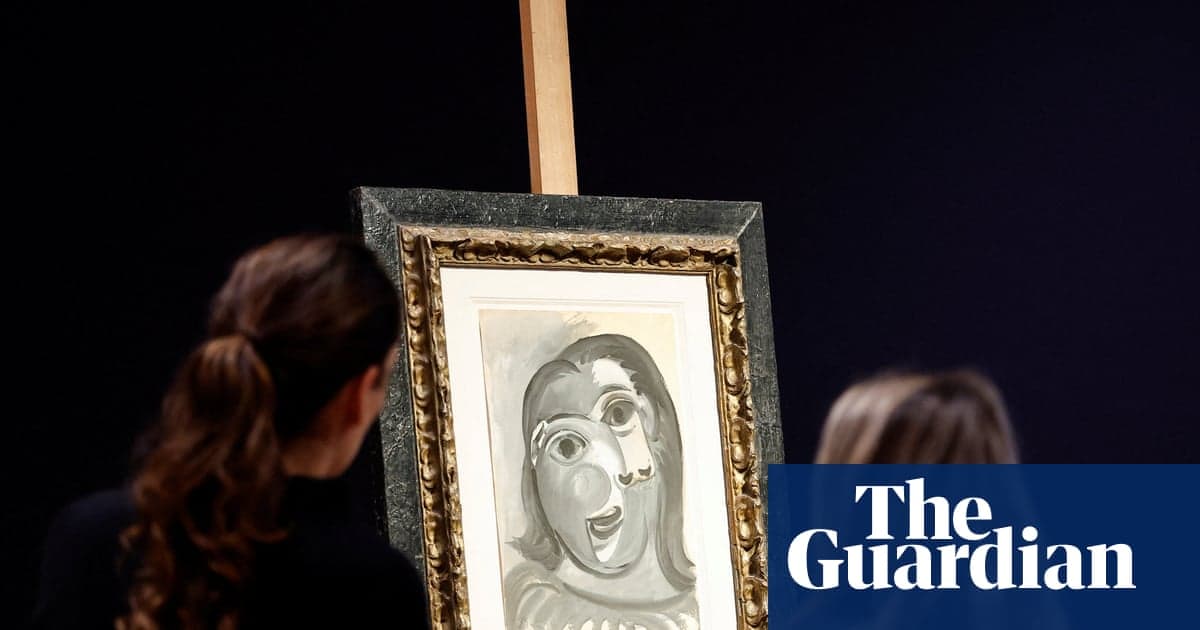
- •Painting displayed at Christie’s Paris before draw, adding auction house prestige.
Pulse Analysis
Art raffles have emerged as a creative fundraising tool, marrying the allure of blue‑chip masterpieces with the democratizing power of low‑cost tickets. Picasso’s "Tête de Femme," a 1941 gouache‑on‑paper, commands a market value near €1 million, yet the raffle price of €100 (~$108) invites a broad audience to participate. This model taps into the cultural cachet of Picasso, whose works routinely fetch multi‑million dollars at auction, and repurposes that prestige for social impact.
Financially, the capped 120,000 tickets could pull in roughly €12 million (~$13 million), a substantial sum for any nonprofit. After allocating €1 million (~$1.08 million) to the Opera Gallery, the remaining proceeds will bolster the Alzheimer’s Research Foundation, a cause with growing urgency as the global population ages. The organizers cite two prior Picasso raffles that together raised more than €10 million, underscoring the scalability of this approach. By situating the draw at Christie’s Paris, the event gains additional legitimacy and media attention, further amplifying donor engagement.
The broader implication for the art market is a shift toward socially responsible monetization of cultural assets. While traditional sales concentrate wealth among elite collectors, raffles disperse ownership opportunities and generate charitable capital. This could inspire other institutions to adopt similar schemes, especially for works held by galleries or foundations seeking both exposure and philanthropy. However, regulators will monitor compliance with gambling and securities laws to ensure transparency. Ultimately, the Picasso raffle illustrates how high‑value art can serve as a catalyst for public‑good funding, aligning market dynamics with corporate social responsibility goals.
Someone Will Win This Picasso For €100
Comments
Want to join the conversation?
Loading comments...