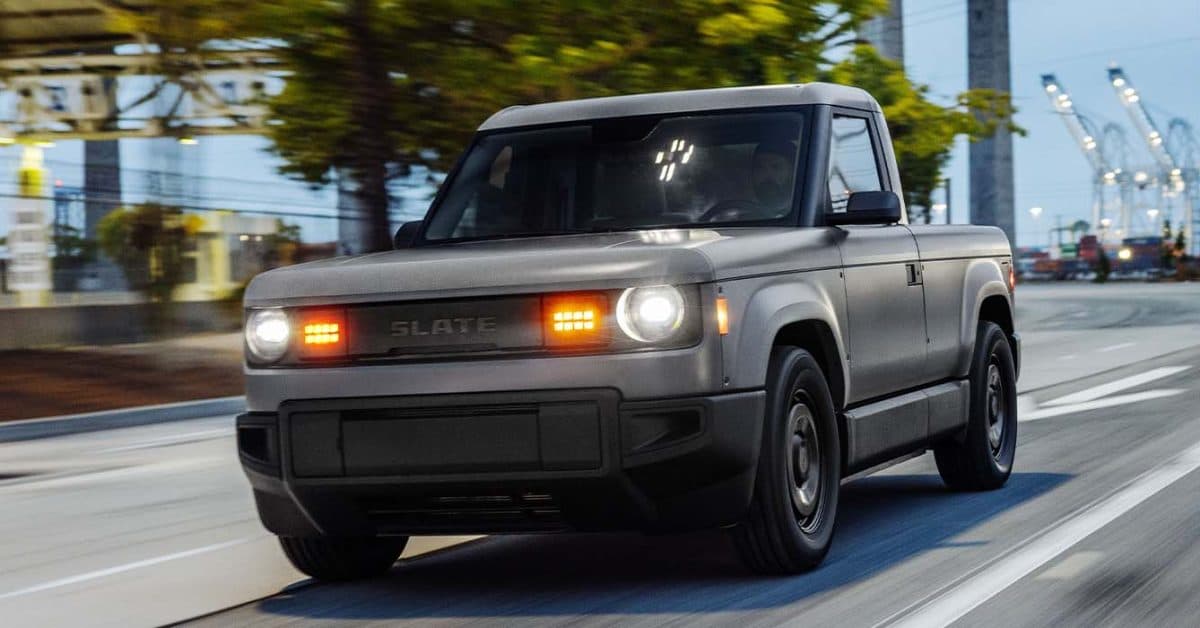
Carvana’s Bet on Slate Is ACTUALLY a Bet on Itself, as the Future of Automotive Retail
Companies Mentioned
Why It Matters
Carvana’s stake in Slate could reshape U.S. automotive distribution by merging online retail power with direct‑sale EV models, threatening the traditional dealer franchise system. This alignment may accelerate market entry for emerging EV startups and reshape financing, delivery, and service ecosystems.
Key Takeaways
- •Carvana granted warrant to buy Slate shares in 2025.
- •Slate's $650 M Series C backed by Jeff Bezos, Guggenheim.
- •Carvana's dealer acquisitions could bypass franchise objections to direct EV sales.
- •Potential to become default service hub for emerging US EV startups.
Pulse Analysis
The U.S. automotive landscape is at a crossroads as electric‑vehicle startups seek ways around entrenched dealer franchises. Companies like Tesla and Scout have faced lawsuits that limit their ability to sell directly to consumers, prompting investors to look for hybrid models that combine manufacturing with retail distribution. Slate, founded with backing from Jeff Bezos and Guggenheim Partners, represents the latest attempt to break the dealer mold, but its success hinges on finding a partner that can handle financing, logistics, and after‑sales service at scale.
Carvana’s recent warrant to acquire Slate shares is more than a financial footnote; it reflects a strategic play to embed itself within the EV supply chain. By systematically purchasing dealer groups, Carvana can claim franchise ownership in key markets, effectively neutralizing legal objections that would otherwise block direct sales of Slate trucks. This approach mirrors Carvana’s existing end‑to‑end model—online purchasing, home delivery, and a nationwide service network—providing Slate with an immediate, nationwide retail platform without the need for separate dealer negotiations.
If Carvana leverages its expanding dealer footprint to become the default service and delivery hub for Slate and future EV entrants, the implications are profound. Traditional franchised dealers could see reduced bargaining power, while investors may favor platforms that offer both retail reach and data‑driven inventory management. Moreover, the model could accelerate the rollout of new EV models, lowering entry barriers for startups and reshaping the competitive dynamics of the automotive industry. Stakeholders should watch how Carvana balances its retail ambitions with regulatory scrutiny, as the outcome may set a precedent for the next generation of automotive retail.
Carvana’s bet on Slate is ACTUALLY a bet on itself, as the future of automotive retail
Comments
Want to join the conversation?
Loading comments...