A Modular, Synthetic Origin of Replication

Key Takeaways
- •SynORI creates six orthogonal plasmid compatibility groups in E. coli.
- •Copy number tunable from ~1.6 to ~185 copies per cell.
- •Ligand‑responsive elements enable dynamic control of plasmid copy number.
- •parCBA multimer‑resolution system reduces plasmid multimers, improving stability.
- •Plasmids lose stability without antibiotics, so selection pressure is essential.
Pulse Analysis
The classic ColE1‑type origin of replication, exemplified by pMB1, has powered molecular cloning for decades but imposes two stubborn constraints: a fixed incompatibility group and a narrow, often unpredictable copy‑number range. Researchers wishing to run several plasmids simultaneously must juggle a limited palette of compatible origins, and any attempt to fine‑tune expression levels can be hampered by multimer formation that destabilizes the vector. These bottlenecks slow the design‑build-test cycle in synthetic biology, prompting engineers to seek a more programmable replication system.
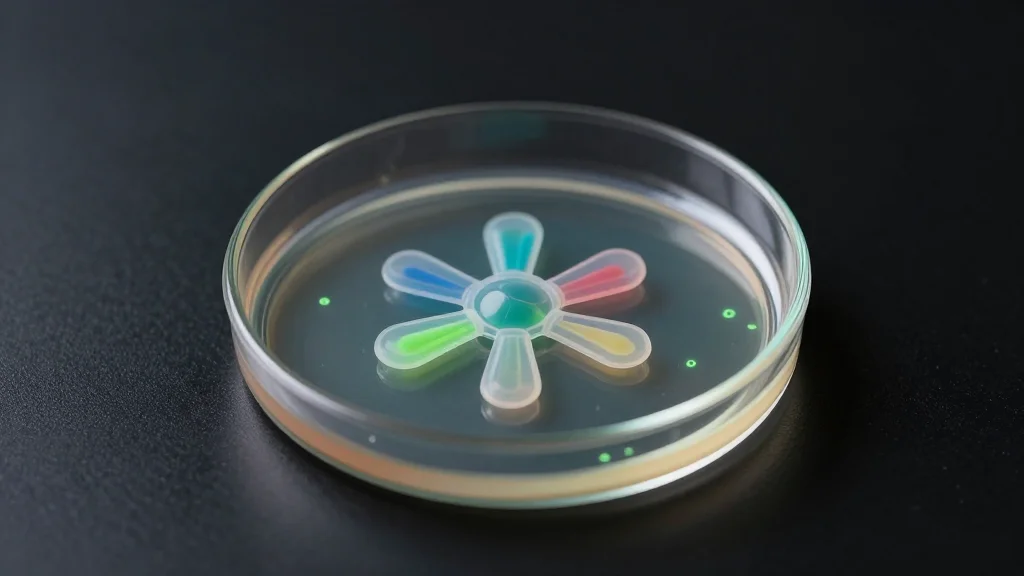
SynORI, the synthetic origin engineered by Liu and Chappell at Rice University, replaces the native ColE1 feedback loop with orthogonal RNA regulators that can be swapped like Lego bricks. By pairing six distinct regulatory RNAs with the refactored backbone, the team demonstrated six mutually compatible plasmids that co‑persist in Escherichia coli for at least a week. Moreover, copy number can be dialed from roughly 1.6 to 185 copies per cell—a 115‑fold span—using promoter strength or ligand‑responsive riboswitches for real‑time adjustment. The inclusion of the parCBA multimer‑resolution module further curtails dimerization, markedly improving plasmid stability.
The practical payoff of SynORI is immediate for labs building complex genetic circuits, metabolic pathways, or CRISPR‑based toolkits that require three or more plasmids without resorting to cumbersome cloning of hybrid origins. By freeing designers from incompatibility constraints and offering on‑demand copy‑number scaling, development timelines can shrink and experimental reproducibility rises. The trade‑off is a modest loss of plasmid stability when antibiotics are omitted, underscoring the need for selective pressure or further engineering of the refactored origin. As synthetic RNA libraries expand, SynORI’s modular framework could become a universal chassis for next‑generation biotechnology.
A Modular, Synthetic Origin of Replication
Comments
Want to join the conversation?