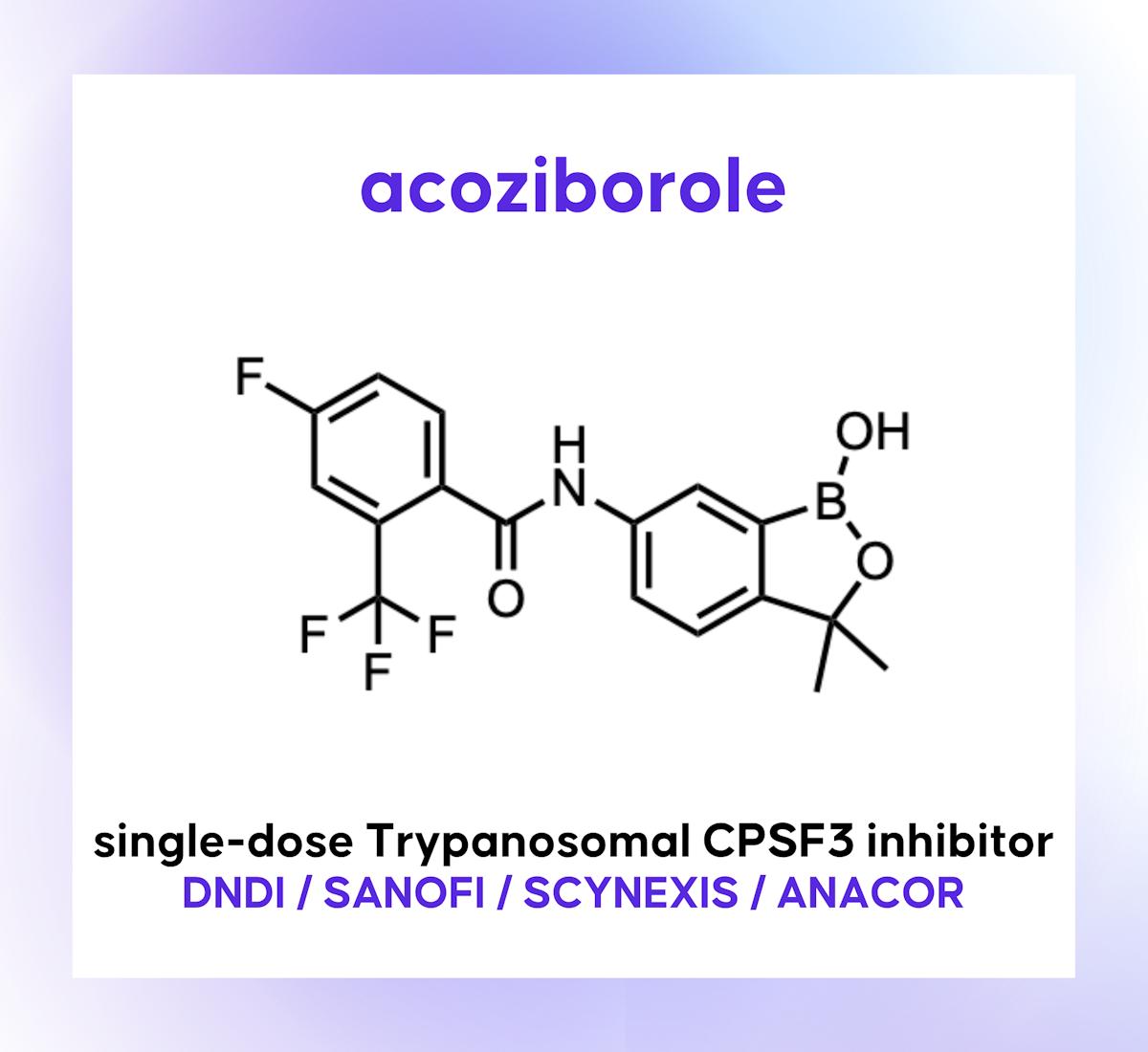

Key Takeaways
- •Single oral 960 mg dose achieved 95% cure in Phase 2/3 trial
- •First benzoxaborole class drug targeting CPSF3 enzyme in sleeping sickness
- •Demonstrated 100% cure in CNS mouse model, confirming brain penetration
- •Potential to simplify treatment, eliminating need for hospitalization
Pulse Analysis
Human African trypanosomiasis remains one of the world’s most lethal neglected tropical diseases, claiming thousands of lives each year across sub‑Saharan Africa. The parasite’s ability to invade the central nervous system makes treatment especially challenging, often requiring prolonged intravenous regimens and hospital stays. Existing therapies are fraught with toxicity, complex dosing, and limited accessibility, creating a pressing demand for a safe, easy‑to‑administer cure that can reach remote, resource‑constrained settings.
Acoziborole emerged from a collaborative effort that combined DNDi’s disease‑focused mission with Sanofi’s development expertise and the chemical innovation of Scynexis and Anacor. Belonging to the benzoxaborole family, the molecule inhibits the parasite’s CPSF3 enzyme, a critical component of RNA processing, thereby halting replication. Optimizing its structure for central nervous system exposure yielded a pharmacokinetic profile capable of delivering therapeutic concentrations across the blood‑brain barrier. In a pivotal Phase 2/3 trial, a single 960 mg oral dose cured 95% of participants, spanning both early‑stage and late‑stage disease, while pre‑clinical mouse models demonstrated a flawless 100% cure rate.
The implications extend beyond a single disease. A one‑time oral regimen could dramatically lower the logistical and financial burdens on health ministries, enabling community‑based delivery and reducing reliance on inpatient care. Successful regulatory endorsement would also set a precedent for benzoxaborole platforms targeting other CNS infections, accelerating pipelines for neglected diseases. Investors and global health donors are likely to view acoziborole as a high‑impact asset, potentially unlocking further funding for NTD research and reinforcing the case for public‑private partnerships in drug development.
acoziborole
Comments
Want to join the conversation?