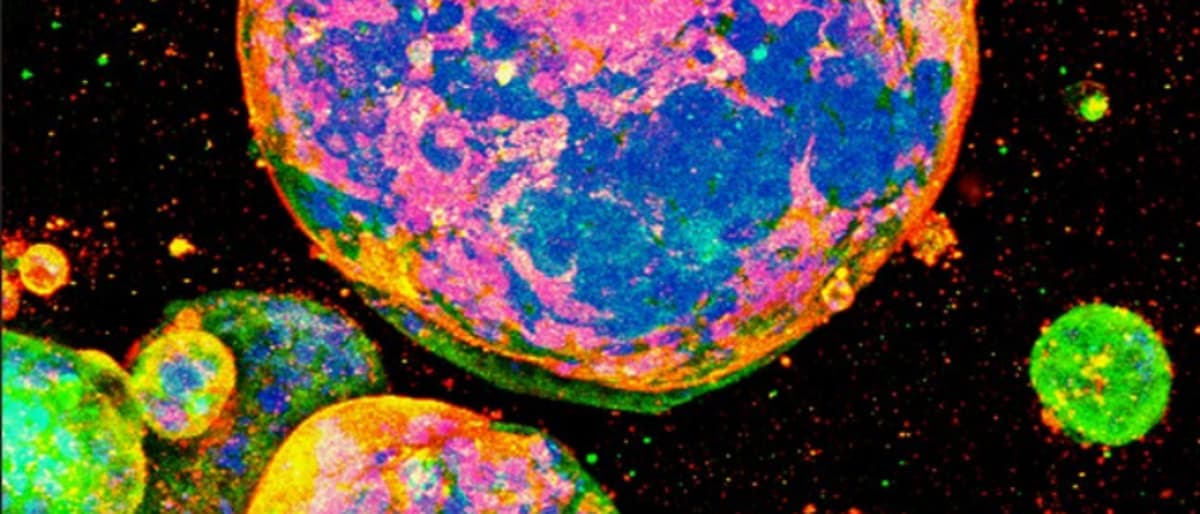
Fully Defined 3D Culture Substrate for Cancer Research
Key Takeaways
- •MatriMix 511 supports robust colorectal cancer organoid formation
- •Organoids retain biologically relevant tumor‑stage differences
- •Alternative matrices lack metastatic marker expression
- •Defined composition improves reproducibility over undefined matrices
- •Ready‑to‑use substrate speeds drug response studies
Pulse Analysis
Three‑dimensional cell culture has become essential for recapitulating tumor architecture and microenvironment, yet many labs still rely on poorly characterized matrices that introduce variability. Patient‑derived organoids bridge the gap between cell lines and animal models, but their utility hinges on a substrate that consistently supports growth and preserves phenotypic traits. The demand for fully defined, chemically characterized scaffolds is rising as pharmaceutical companies seek more predictive pre‑clinical platforms for high‑throughput screening and mechanistic studies.
AMSBIO’s MatriMix 511 meets this need by combining recombinant collagen types I and III, laminin‑511 E8 fragments, and hyaluronic acid into a single, ready‑to‑use formulation. The Kyoto University team demonstrated that colorectal cancer cells cultured in MatriMix formed organoids that mirrored in‑vivo tumor stages, including expression of key metastatic markers absent in competing matrices. This performance stems from the matrix’s precise biochemical cues, which guide cell‑matrix interactions without the batch‑to‑batch inconsistency typical of animal‑derived gels. Researchers reported higher organoid viability, uniform size distribution, and easier downstream assay integration, all of which translate into more reliable drug‑response data.
The broader market implications are significant. A reproducible, defined 3D substrate reduces experimental noise, shortens assay development timelines, and aligns with regulatory expectations for well‑characterized materials in translational research. For biotech firms developing targeted therapies against metastatic colorectal cancer, MatriMix offers a scalable platform to evaluate efficacy and resistance mechanisms early in the pipeline. AMSBIO’s positioning within the Europa Biosite group further strengthens its distribution reach across North America and Europe, potentially accelerating adoption among academic and industrial partners seeking to modernize their organoid workflows.
Fully defined 3D culture substrate for cancer research
Comments
Want to join the conversation?