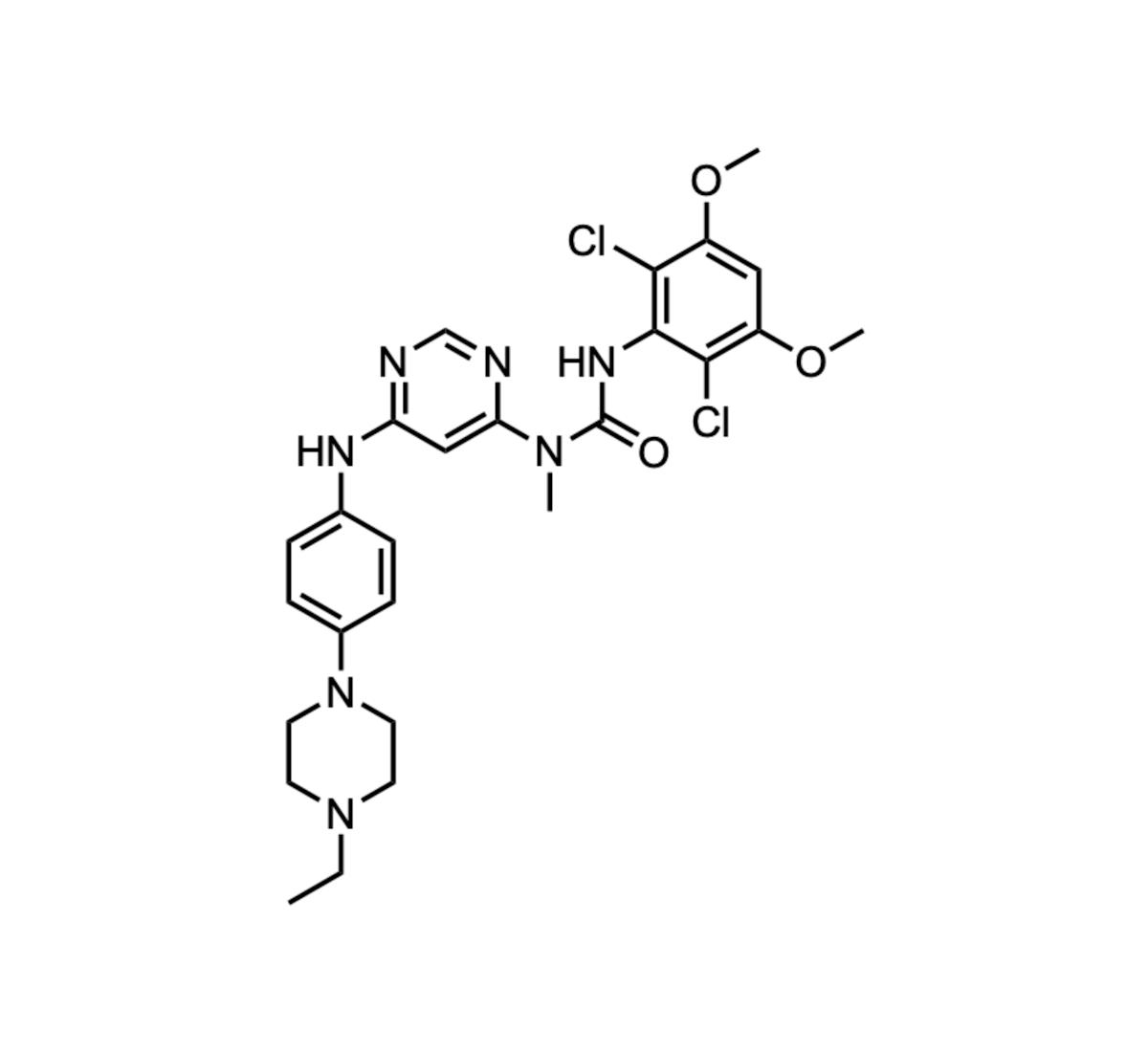

Key Takeaways
- •Infigratinib repurposed from cholangiocarcinoma to achondroplasia
- •Phase 3 PROPEL 3 met primary endpoint in February 2026
- •FDA accelerated approval withdrawn in 2024 due to trial enrollment
- •Regulatory filing planned for H2 2026 targeting pediatric growth disorder
Pulse Analysis
Achondroplasia, the most prevalent form of dwarfism, stems from a gain‑of‑function mutation in the FGFR3 gene that impairs bone growth. While several experimental approaches target this pathway, oral pan‑FGFR inhibitors offer a systemic solution that can be administered early in childhood. The therapeutic landscape has been eager for a disease‑modifying drug, as current management relies on orthopedic interventions and growth‑hormone therapy with limited efficacy. Infigratinib’s molecular profile—originally designed to block FGFR2 fusions in cancer—makes it a logical candidate for this indication, prompting a strategic shift from oncology to rare‑disease development.
BridgeBio, in collaboration with GED Therapeutics and Novartis, leveraged the existing safety data of infigratinib to accelerate its clinical program. After the drug’s market withdrawal in 2024 following difficulties enrolling patients for a confirmatory cholangiocarcinoma trial, the company launched the PROPEL 3 Phase 3 study focused on children with achondroplasia. The trial’s topline results, released in February 2026, demonstrated a statistically significant increase in annualized growth velocity compared with placebo, satisfying the primary endpoint. Importantly, the safety profile remained consistent with earlier oncology studies, reinforcing confidence in its tolerability for a pediatric population.
The implications extend beyond a single product. A successful regulatory submission in late 2026 could create a new revenue stream for BridgeBio and its partners, while offering a first‑in‑class oral therapy for a condition affecting roughly 1 in 20,000 births worldwide. Competitors are exploring gene‑editing and antibody approaches, but an oral small‑molecule may capture market share due to ease of administration and lower manufacturing complexity. Moreover, the repurposing model showcases how abandoned oncology assets can be revitalized for rare diseases, potentially reshaping R&D pipelines across the biotech sector.
infigratinib
Comments
Want to join the conversation?