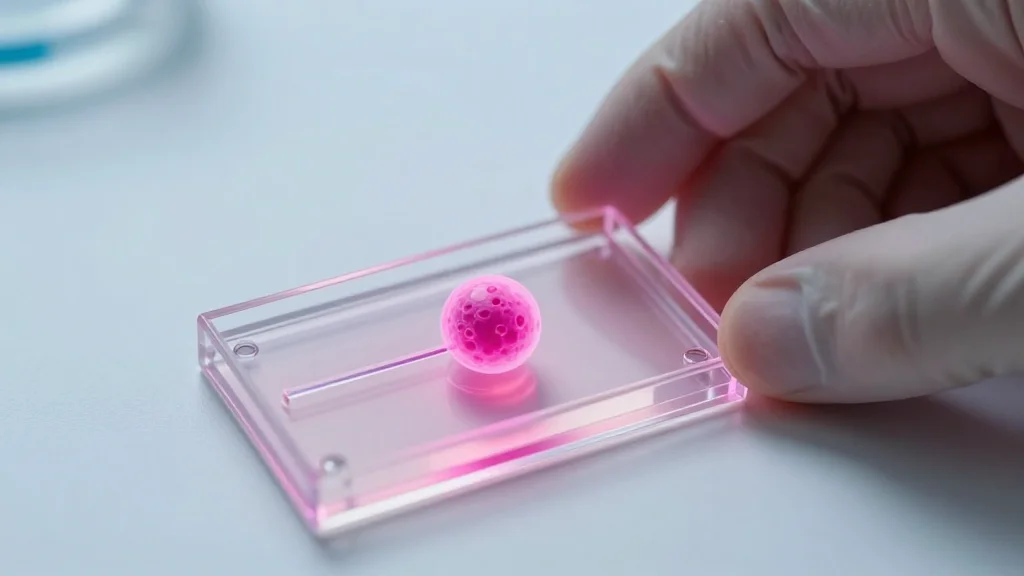
Living ‘Tumour on a Chip’ Could Offer New Brain Cancer Insights
Key Takeaways
- •Tumour-on-chip mimics human blood‑brain barrier for glioblastoma
- •Microfluidic platform enables real‑time drug penetration monitoring
- •Model reduces reliance on animal testing in early drug discovery
- •Potential to accelerate approval of effective glioblastoma therapies
- •Collaboration between Nottingham Trent University and Kirkstall Ltd
Pulse Analysis
Glioblastoma remains the deadliest primary brain tumor, with median survival of just 10 to 15 months despite aggressive surgery, radiotherapy and chemotherapy. The disease’s rapid growth, genetic heterogeneity, and the protective blood‑brain barrier make it notoriously resistant to systemic drugs. Traditional pre‑clinical models—cell cultures and rodent xenografts—often fail to reproduce the human tumor microenvironment, leading to high attrition rates when promising compounds reach clinical trials. Researchers therefore seek more physiologically relevant platforms that can predict drug efficacy while respecting ethical concerns.
The new “tumour‑on‑chip” system, developed by Nottingham Trent University in partnership with biotech firm Kirkstall Ltd, integrates patient‑derived glioblastoma cells with a microfluidic network that recreates the human blood‑brain barrier. Fluid dynamics mimic cerebral blood flow, allowing researchers to observe how therapeutics traverse the barrier and interact with tumor cells in real time. Advanced imaging—including high‑resolution microscopy, ultrasound and magnetic resonance imaging—provides continuous readouts of tumor growth, cell viability, and drug distribution. This human‑centric approach promises a more accurate assessment of pharmacokinetics and pharmacodynamics than animal models.
If validated, the platform could compress the drug‑development timeline by flagging ineffective candidates early, thereby conserving resources and accelerating the path to clinical testing for promising agents. Pharmaceutical firms stand to benefit from higher predictive power and reduced reliance on large‑scale animal studies, aligning with growing regulatory and public pressure for humane research practices. Moreover, the technology may be adaptable to other central‑nervous‑system disorders, opening a broader market for organ‑on‑chip solutions. Ultimately, the tumour‑on‑chip could improve patient outcomes by delivering more effective, brain‑penetrant therapies faster.
Living ‘tumour on a chip’ could offer new brain cancer insights
Comments
Want to join the conversation?