
Key Takeaways
- •First oral CBL‑B inhibitor entering trials
- •Targets immune activation across T, B, NK cells
- •Phase 1a/1b shows early efficacy signals
- •Preclinical data demonstrated tumor regression and survival benefit
- •Addresses resistance limitations of checkpoint inhibitors
Summary
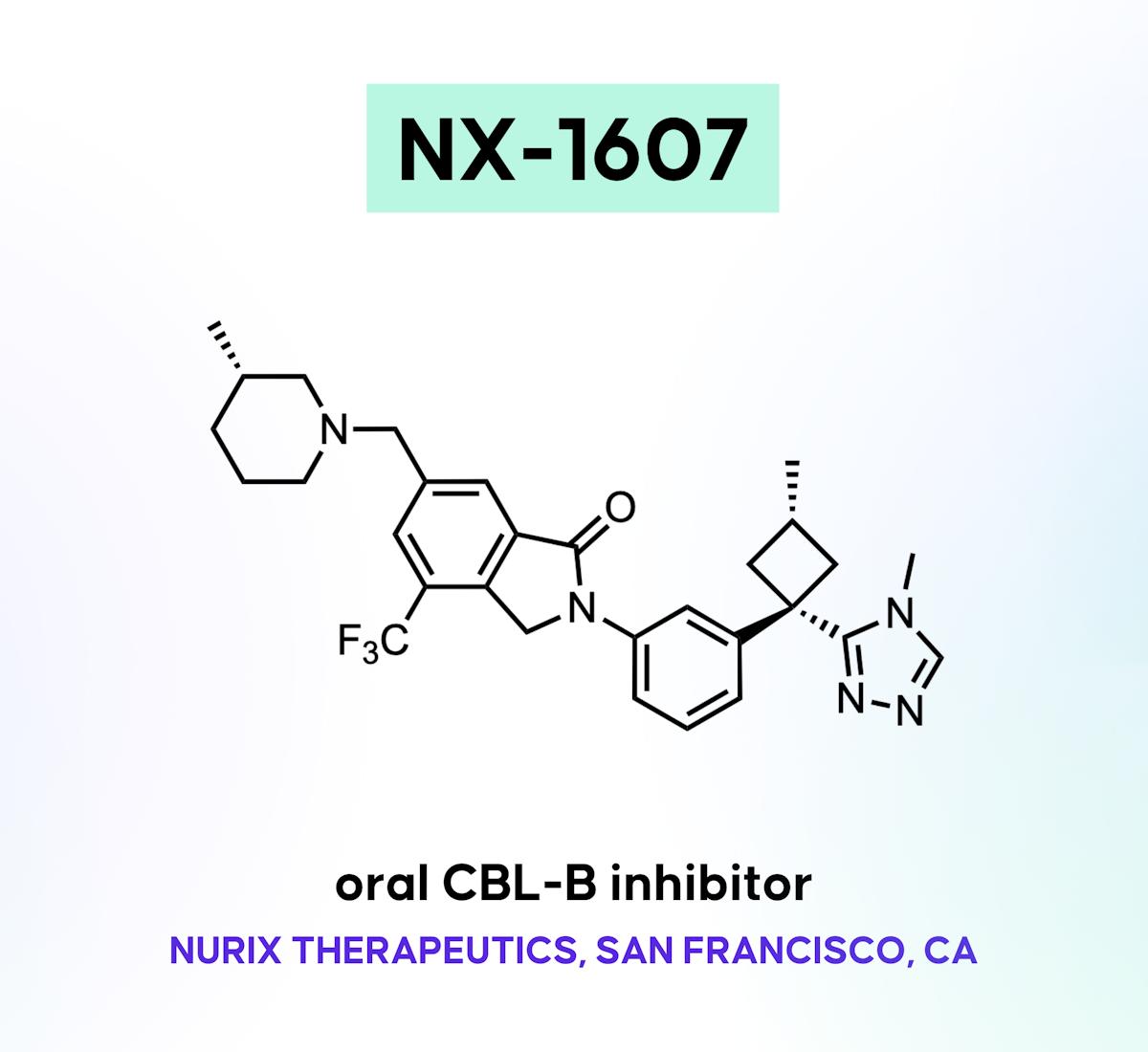
Nurix Therapeutics has launched NX-1607, the first orally bioavailable small‑molecule inhibitor of the immune regulator CBL‑B, into a Phase 1a/1b trial for advanced cancers. CBL‑B modulates activation of T, B and NK cells, and NX-1607 locks the protein in an inactive state, boosting T‑cell activity. Pre‑clinical models showed robust anti‑tumor effects and extended survival, and early clinical data indicate encouraging efficacy signals. The program was highlighted at the ACS Spring 2024 meeting.
Pulse Analysis
CBL‑B has emerged as a critical checkpoint within the intracellular signaling cascade that governs lymphocyte activation. By ubiquitinating key receptors, CBL‑B dampens T‑cell, B‑cell, and NK‑cell responses, creating a natural brake on immune surveillance. Until now, drug developers have focused on extracellular checkpoints such as PD‑1/PD‑L1, leaving an untapped opportunity to modulate the intracellular axis. An oral, small‑molecule inhibitor like NX‑1607 can directly engage CBL‑B, offering a more convenient administration route compared with injectable biologics and enabling broader patient access.
In pre‑clinical studies, NX‑1607 demonstrated potent inhibition of CBL‑B, resulting in heightened cytokine production and cytotoxic activity against a panel of tumor cell lines. Animal models treated with the compound showed significant tumor shrinkage and prolonged overall survival, outperforming standard checkpoint blockade in resistant settings. This efficacy is attributed to the drug’s ability to sustain T‑cell activation without triggering the compensatory up‑regulation often observed with PD‑1 inhibitors. Consequently, NX‑1607 positions itself as a complementary or alternative strategy for patients who do not respond to existing immunotherapies, potentially capturing a sizable segment of the oncology market.
The ongoing Phase 1a/1b trial is enrolling patients with advanced malignancies who have exhausted standard options. Early readouts reveal manageable safety and signs of anti‑tumor activity, bolstering confidence for subsequent expansion cohorts. If the trial confirms these trends, Nurix could accelerate development toward Phase 2, attract partnership interest, and set a precedent for intracellular checkpoint targeting. The success of NX‑1607 would not only validate CBL‑B as a druggable node but also broaden the therapeutic landscape for immuno‑oncology, prompting competitors to explore similar oral agents.
Comments
Want to join the conversation?