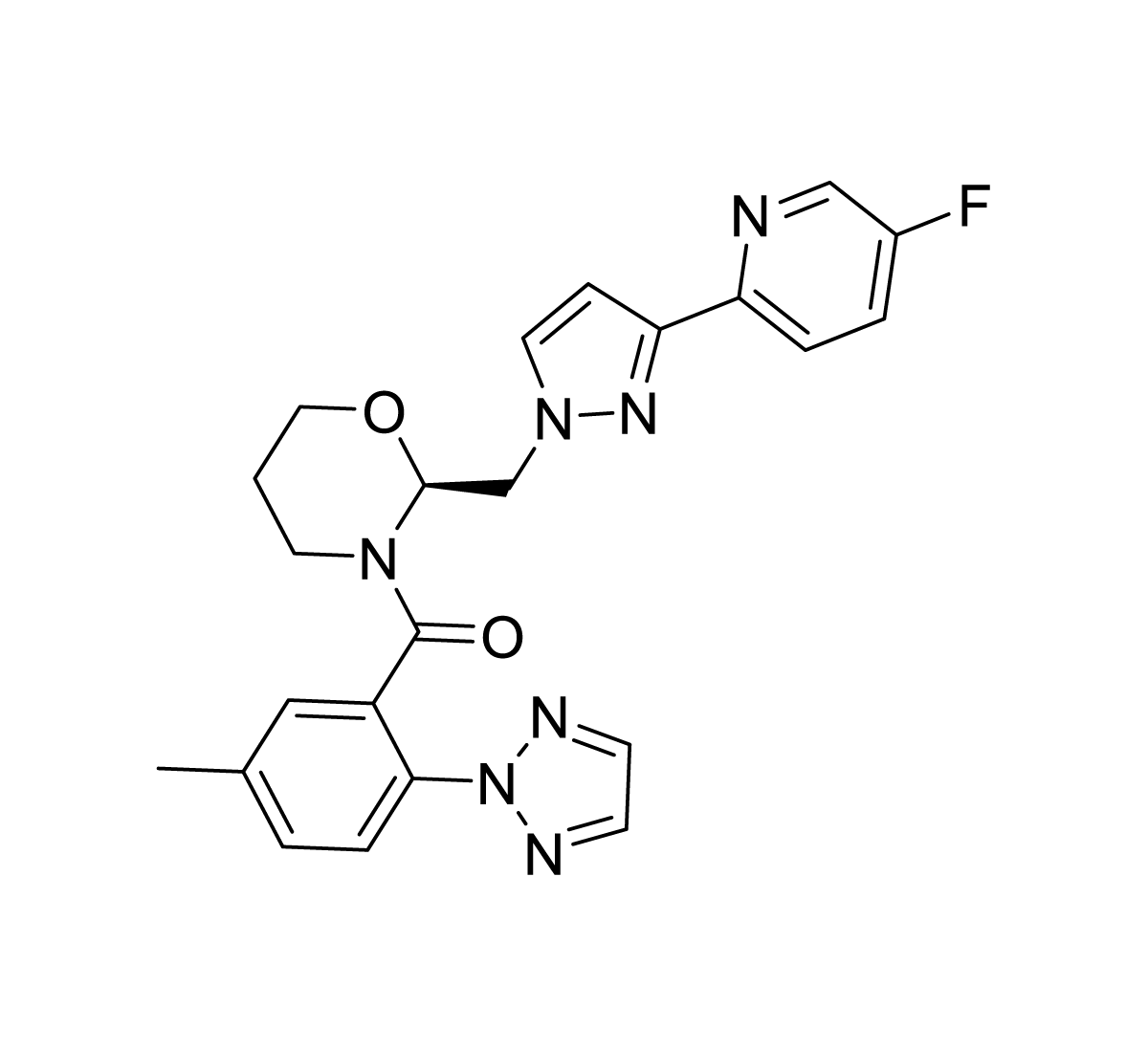

Key Takeaways
- •Vornorexant approved for insomnia in Japan, August 2025.
- •Dual OX1R/OX2R antagonist with rapid absorption, short half‑life.
- •Phase 3 trial showed significant sleep onset and efficiency improvements.
- •Designed to reduce next‑day residual sedation versus longer‑acting DORAs.
- •US regulatory strategy remains undisclosed by Taisho.
Summary
Taisho Pharmaceutical’s vornorexant (TS‑142), marketed as Vorzzz®, received Japanese regulatory approval in August 2025 as a dual orexin‑1/2 receptor antagonist for insomnia. The drug distinguishes itself from existing DORAs through rapid absorption and a short elimination half‑life, aiming to minimize next‑day residual effects. In pivotal Phase 3 trials, once‑daily 5 mg and 10 mg doses significantly improved sleep onset latency and sleep efficiency compared with placebo. Taisho has not indicated whether it will seek approval in the United States.
Pulse Analysis
The orexin neuropeptide system, which regulates wakefulness, has become a fertile target for sleep‑disorder therapeutics. Since the FDA’s 2020 approval of suvorexant, a wave of dual orexin‑receptor antagonists (DORAs) has entered the global market, capturing a sizable share of the prescription insomnia segment. Analysts estimate the DORA market to exceed $5 billion by 2028, driven by demand for non‑benzodiazepine agents with favorable safety profiles. Within this context, Taisho’s vornorexant arrives as the latest ligand‑based design, leveraging structural insights to fine‑tune receptor affinity and pharmacokinetics.
Vornorexant’s chief differentiator is its rapid oral absorption coupled with a half‑life of roughly three hours, markedly shorter than many peers that persist for 8‑12 hours. This kinetic profile translates into a lower risk of next‑day sedation, a common complaint among patients using longer‑acting DORAs. In the pivotal Phase 3 study, both 5 mg and 10 mg once‑daily regimens produced statistically significant reductions in sleep onset latency (by 15‑20 minutes) and improvements in sleep efficiency (up to 8 percentage points) versus placebo, without an increase in adverse events. The data reinforce the therapeutic premise that shorter exposure can maintain efficacy while enhancing next‑day alertness.
The Japanese launch positions vornorexant to capture a niche of insomnia sufferers who prioritize rapid sleep induction without lingering drowsiness. While Taisho has not disclosed plans for U.S. submission, the drug’s favorable safety signal could expedite discussions with the FDA, especially as regulators increasingly value pharmacokinetic tailoring. Competitors such as lemborexant and daridorexant may feel pressure to develop abbreviated‑release formulations or pursue combination strategies. Ultimately, vornorexant’s entry underscores a broader industry shift toward precision‑engineered sleep agents that balance efficacy with next‑day functional performance.
Comments
Want to join the conversation?