
Key Takeaways
- •Ropsacitinib targets TYK2 JH1 kinase domain, unlike allosteric inhibitors
- •Advanced to Phase 2b trials for plaque psoriasis and hidradenitis suppurativa
- •Demonstrated efficacy in psoriasis trial but removed from public pipeline
- •Shows alternative TYK2 inhibition path, underscoring development challenges
Pulse Analysis
Tyrosine kinase 2 (TYK2) has emerged as a high‑value target for inflammatory skin diseases, leveraging its role in interleukin‑23 and interferon signaling. The first approved TYK2 inhibitor, deucravacitinib, achieves selectivity by binding an allosteric pocket in the JH2 pseudokinase domain, sidestepping the highly conserved ATP‑binding site shared across the JAK family. Ropsacitinib, by contrast, occupies the catalytic JH1 domain, a strategy that promises direct inhibition but raises concerns about off‑target activity. This mechanistic divergence sparked interest among investors and clinicians seeking a potentially more potent or broader‑acting agent.
In the Phase 2b plaque psoriasis trial, ropsacitinib delivered statistically significant reductions in PASI scores, matching or exceeding the efficacy of existing biologics in a subset of patients. The same molecule was also evaluated for hidradenitis suppurativa, a disease with limited oral treatment options, where early signals suggested modest improvement. While these outcomes validated the JH1‑binding concept, they also revealed a narrow therapeutic window, with dose‑limiting toxicities emerging at higher exposures. The data underscored the delicate balance between achieving sufficient TYK2 blockade and avoiding inhibition of related JAK kinases that can trigger adverse events.
Despite promising efficacy, ropsacitinib has vanished from Pfizer’s public pipeline, likely reflecting strategic recalibration. The market now features multiple TYK2 candidates, and deucravacitinib’s commercial launch has set a high bar for safety and differentiation. Companies may opt to prioritize allosteric agents that inherently mitigate off‑target risk, or to reallocate resources toward biologics and novel delivery platforms. For investors and industry watchers, ropsacitinib’s trajectory serves as a cautionary tale: innovative binding modes can generate early excitement, but sustained success demands a clear safety profile and a compelling value proposition in an increasingly competitive therapeutic landscape.
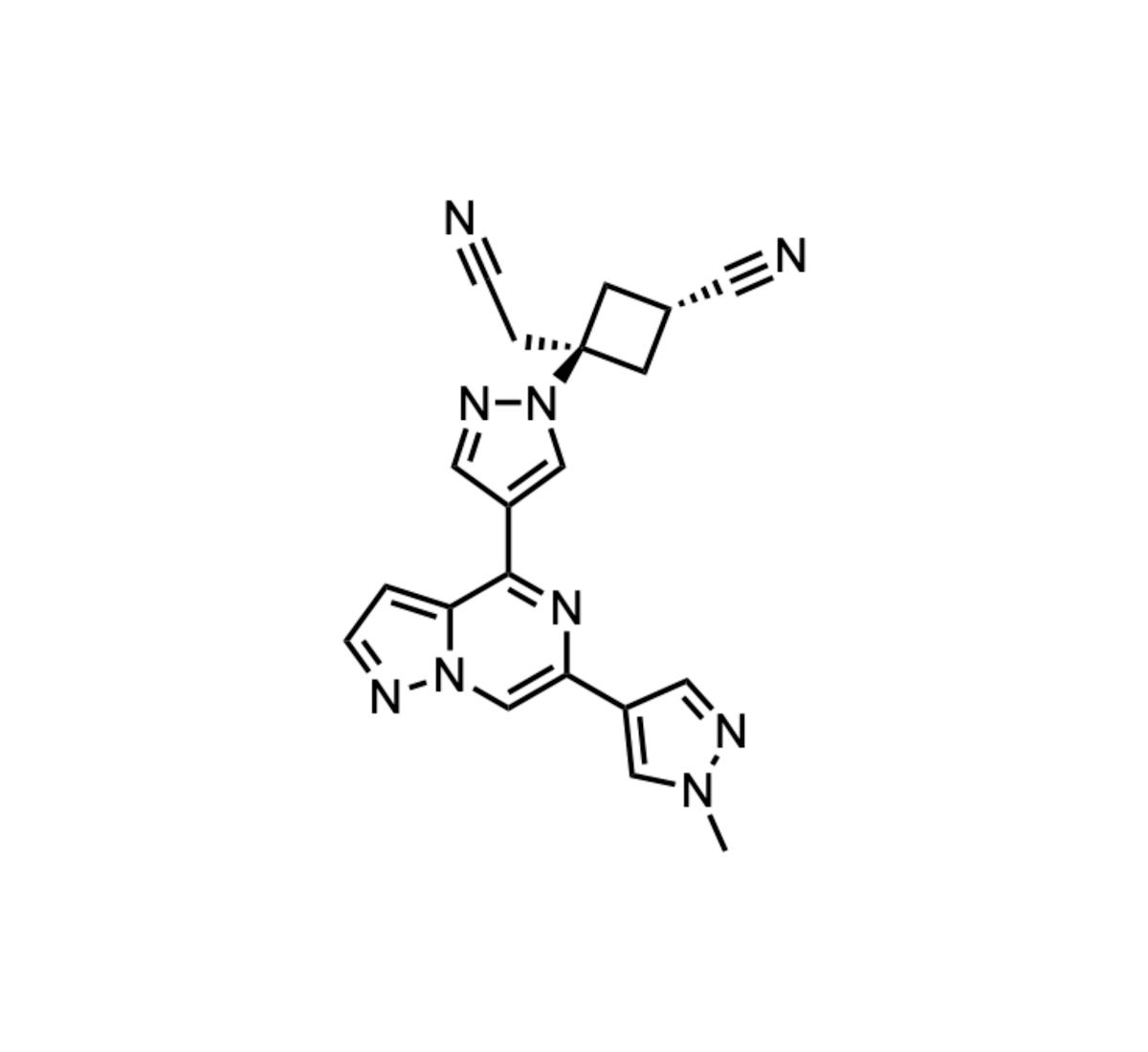
PF-06826647
Comments
Want to join the conversation?