
Key Takeaways
- •FDA approves oral non‑covalent BTK inhibitor pirtobrutinib
- •Shows efficacy in BTK‑resistant CLL/SLL patients
- •Phase 3 trials report strong response rates and safety
- •Positioned for first‑line use amid intense BTK competition
- •Combination studies explore broader B‑cell malignancy coverage
Summary
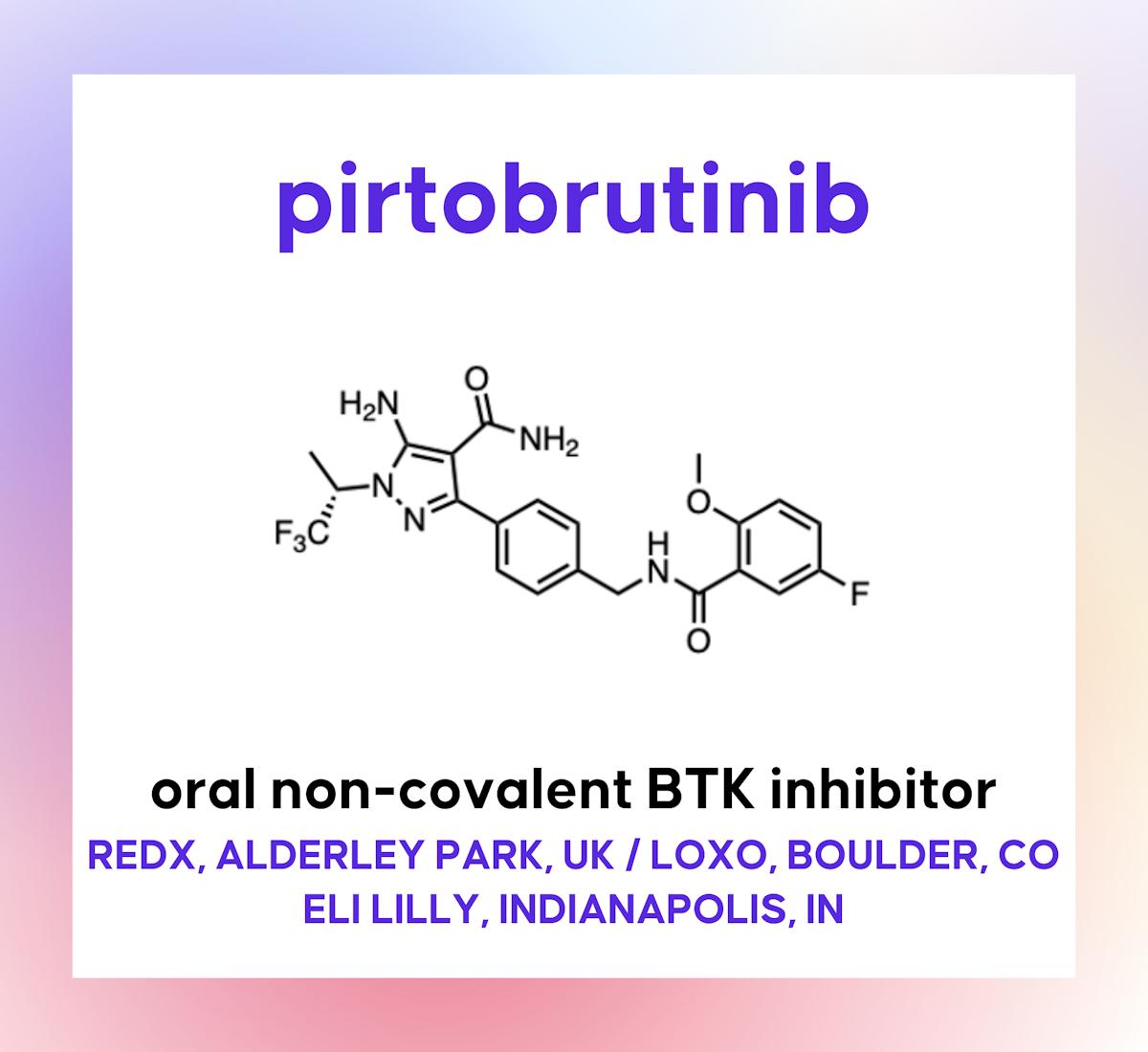
Late 2025 saw the FDA grant traditional approval to pirtobrutinib, an oral, reversible BTK inhibitor targeting multiple B‑cell malignancies. The drug demonstrated robust efficacy in BTK‑resistant chronic lymphocytic leukemia and small lymphocytic lymphoma, backed by positive Phase 3 data and early combination trial results. Its non‑covalent mechanism offers an improved safety profile compared with earlier covalent BTK inhibitors. While positioned for first‑line use, pirtobrutinib now faces fierce competition from next‑generation BTK inhibitors and degraders in late‑stage studies.
Pulse Analysis
The BTK pathway remains a cornerstone in treating B‑cell malignancies, but the first wave of covalent inhibitors has been hampered by resistance mutations that diminish long‑term efficacy. Non‑covalent agents like pirtobrutinib bind reversibly, sidestepping the C481 mutation that renders many patients refractory. This mechanistic shift not only restores tumor control but also reduces off‑target toxicities, addressing a critical unmet need for a safer, more durable oral therapy.
Pirtobrutinib’s recent FDA approval follows a series of compelling Phase 3 outcomes, where overall response rates exceeded 80% in BTK‑resistant CLL/SLL cohorts and adverse events were notably lower than historic controls. Early combination data suggest synergistic activity when paired with anti‑CD20 antibodies or BCL‑2 inhibitors, widening its applicability across diverse B‑cell subtypes. The drug’s oral administration and favorable safety profile are poised to simplify treatment regimens, potentially shifting it from a salvage option to a first‑line standard of care.
The market landscape, however, is rapidly evolving. Emerging BTK degraders and next‑generation covalent inhibitors are entering late‑stage trials, promising even deeper pathway suppression. Pirtobrutinib’s success will hinge on strategic positioning—leveraging its resistance‑overcoming capabilities while integrating into combination protocols. For investors and clinicians alike, the drug signals both a therapeutic breakthrough for hard‑to‑treat patients and a catalyst for intensified innovation across the oncology pipeline.
Comments
Want to join the conversation?