Retatrutide - Possibly Better than Semaglutide B/C Lower Nausea/Side Effect Profile, but Higher Heart Rate
Key Takeaways
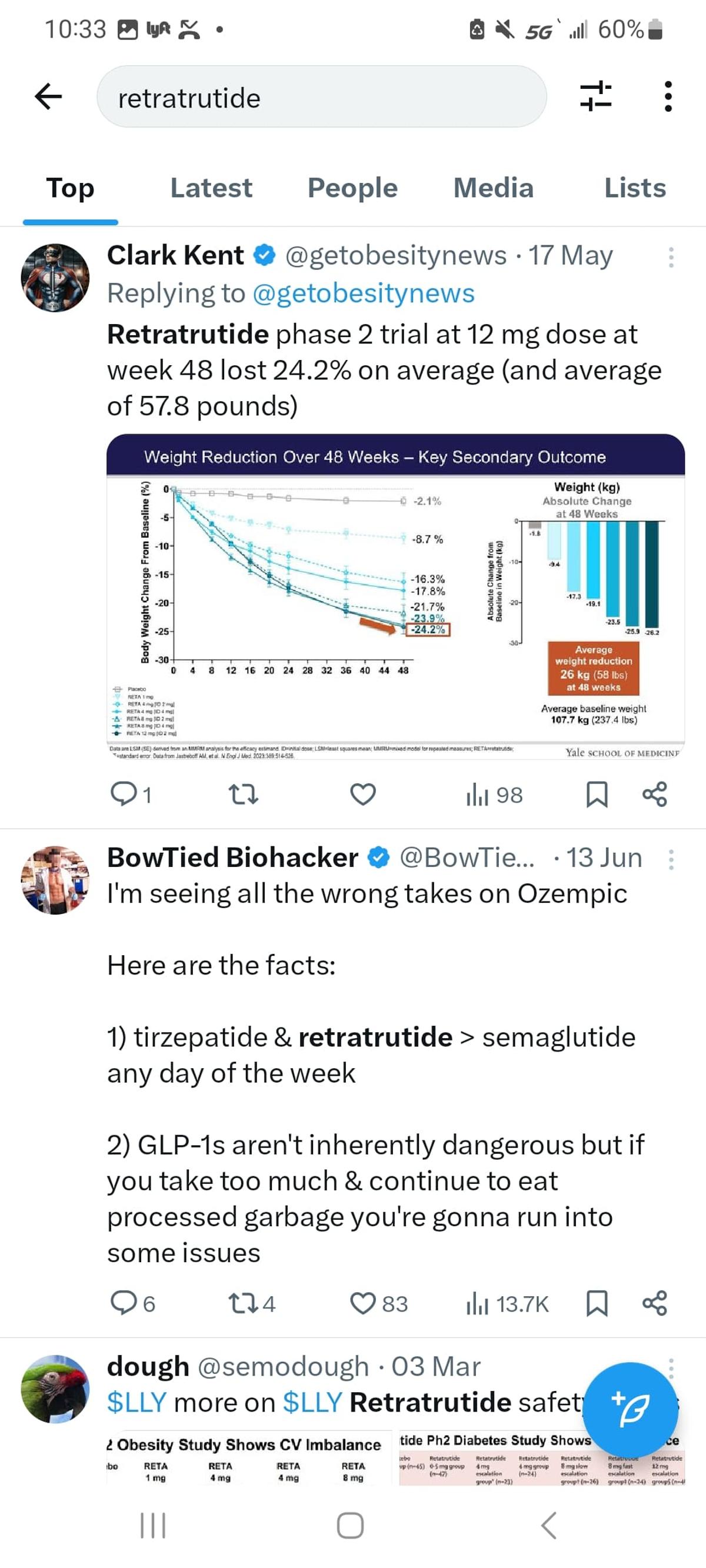
- •Retatrutide achieves up to 30% body‑weight loss at 12 mg
- •Patients report less nausea than semaglutide but higher resting heart rate
- •Appetite suppression wanes over weeks; weight maintenance persists
- •Metabolic markers improve early, even at low 4 mg dose
Pulse Analysis
Retatrutide (formerly LY3437943) combines GLP‑1, GIP and glucagon receptor agonism, a mechanism that differentiates it from the GLP‑1‑only semaglutide. Early phase‑II trials showed participants on 8‑12 mg doses lost an average of 25‑30% of body weight, eclipsing the 15‑20% reductions seen with semaglutide. The added glucagon activity appears to boost energy expenditure and improve lipid profiles, while the GIP component may blunt the nausea commonly associated with GLP‑1 therapy. This multi‑pathway approach positions Retatrutide as a potential next‑generation obesity treatment.
Real‑world anecdotes echo the trial data, highlighting a lower incidence of gastrointestinal upset but a notable rise in resting heart rate, a side effect that clinicians must monitor. Patients often experience an initial surge in appetite suppression that tapers after several weeks, yet weight loss continues at a slower pace, suggesting metabolic adaptations rather than mere caloric restriction. Titration strategies—starting at 4 mg and escalating to 6‑12 mg after four‑week plateaus—are emerging as best practices to balance efficacy with tolerability.
The commercial implications are significant. With obesity prevalence exceeding 40% in the United States, a drug that delivers superior weight loss with a manageable side‑effect profile could capture market share from existing GLP‑1 agents and attract payer coverage. Moreover, the early improvements in A1c, triglycerides and eGFR reported at low doses hint at broader cardiometabolic benefits, potentially expanding its use beyond weight management to diabetes and chronic kidney disease. As phase‑III results loom, investors and healthcare systems are watching Retatrutide as a possible game‑changer in the fight against obesity.
Retatrutide - Possibly better than semaglutide b/c lower nausea/side effect profile, but higher heart rate
Comments
Want to join the conversation?