Students Invented a New Diagnostic for Lyme Disease — and a Tool for CRISPR Researchers

Key Takeaways
- •Lambert High School iGEM team created LANCET diagnostic for Lyme disease.
- •LANCET targets CspZ protein, detectable >100 days post-infection.
- •Team built CASPER software to design RPA primers and Cas12a sgRNAs.
- •CASPER won Best Software Tool and outperformed other design tools.
- •Platform is modular, could be adapted to sepsis and other biomarkers.
Pulse Analysis
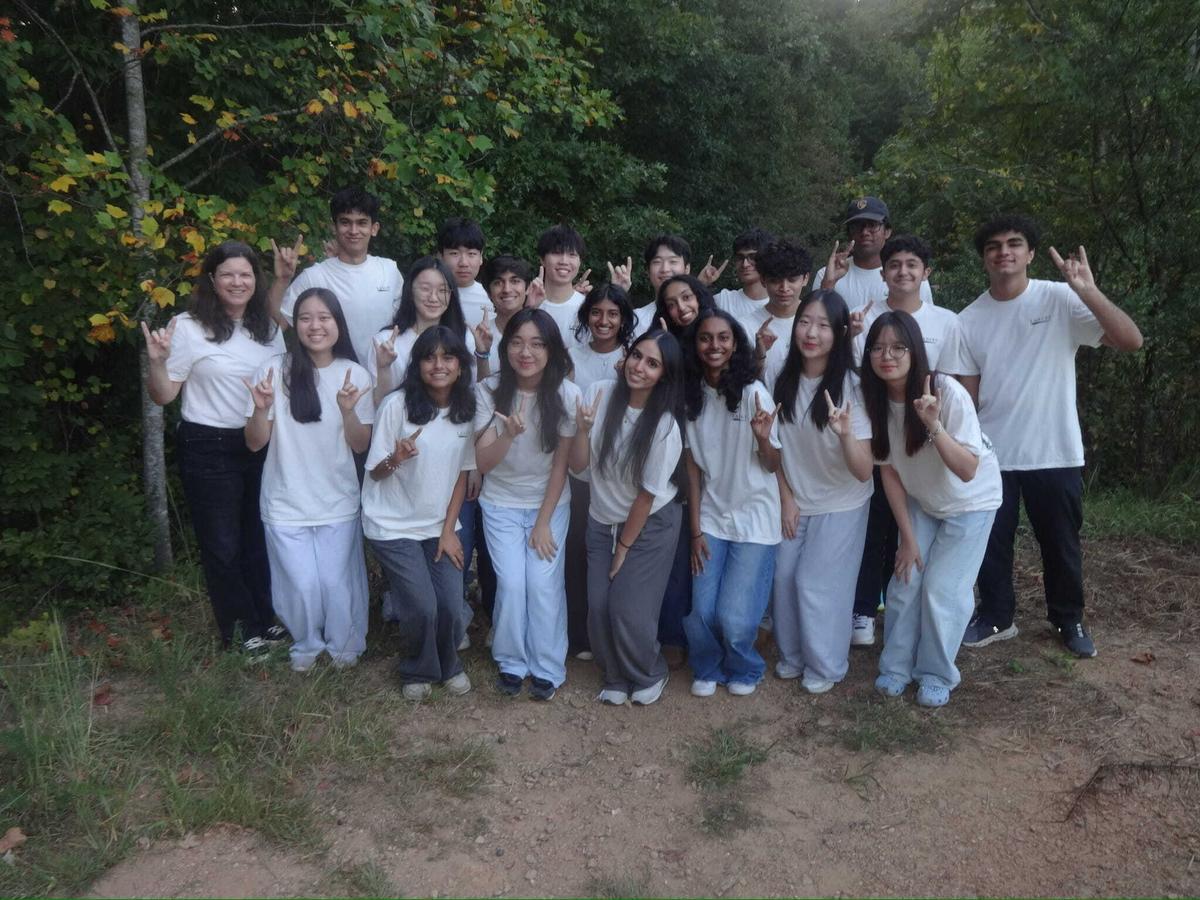
The iGEM competition continues to showcase high‑school teams that can rival professional labs, and the 2025 Lambert High School team is a prime example. Their project, LANCET, combines proximity‑dependent ligation of DNA aptamers with a DETECTR‑style Cas12a readout to detect the Borrelia burgdorferi surface protein CspZ. Because CspZ remains in the bloodstream for more than 100 days, the assay can identify infection weeks before traditional antibody tests become reliable. The lateral‑flow format delivers a visual result without specialized equipment, addressing a critical gap in early Lyme disease diagnosis.
Designing primers for recombinase polymerase amplification and guide RNAs for Cas12a traditionally required separate tools, leading to mismatched performance. To close this gap, the students engineered CASPER—Combined Amplification & Spacer Engine for RPA‑Cas12a—a single pipeline that scores and ranks primer‑sgRNA pairs based on thermodynamics, specificity, and structural stability. In head‑to‑head tests, CASPER‑generated sets produced the highest reporter cleavage signal, earning the team the Best Software Tool award at iGEM Paris. The open‑source code and configurable weighting allow other researchers to tailor the engine to any protein biomarker, accelerating CRISPR‑based assay development.
The LANCET platform demonstrates how a modular aptamer‑RPA‑Cas12a workflow can be repurposed for other time‑critical infections such as sepsis, where rapid pathogen detection can save lives. By lowering the design barrier, CASPER positions academic labs and startups to launch point‑of‑care tests without extensive bioinformatics expertise, a factor that could shrink development cycles and reduce costs in the burgeoning CRISPR diagnostics market, projected to exceed $1 billion annually. Moreover, the success of a high‑school team underscores the value of student‑led synthetic biology programs in feeding talent and innovation into the biotech ecosystem.
Students Invented a New Diagnostic for Lyme Disease — and a Tool for CRISPR Researchers
Comments
Want to join the conversation?