
Key Takeaways
- •FDA approved tazemetostat for epithelioid sarcoma in 2019
- •Accelerated approval granted for follicular lymphoma, especially EZH2‑mutant cases
- •Phase‑2 trial showed only 15% overall response in sarcoma
- •Ipsen withdrew the drug after hematologic malignancies in SYMPHONY‑1
Pulse Analysis
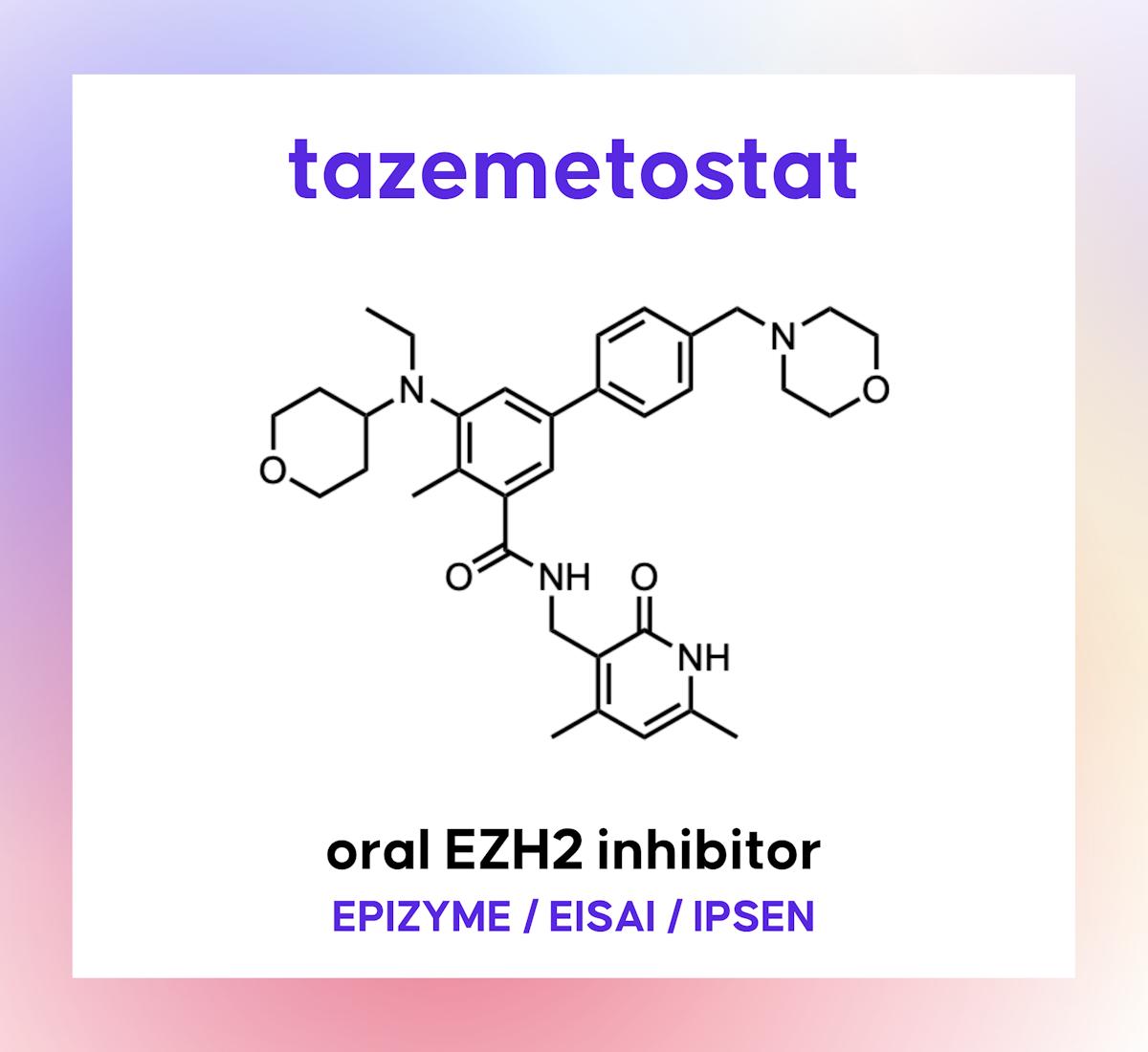
The discovery of EZH2 as a driver of oncogenic gene silencing sparked intense interest in epigenetic drug development, and tazemetostat emerged as the first oral inhibitor to translate that biology into a marketable therapy. By targeting the catalytic subunit of the PRC2 complex, the drug offered a novel mechanism distinct from traditional kinase inhibitors, earning FDA clearance for epithelioid sarcoma in 2019 and an accelerated indication for follicular lymphoma a few years later. These approvals highlighted the promise of precision epigenetics, especially in tumors harboring EZH2 mutations, and positioned Epizyme, Eisai, and Ipsen as pioneers in a nascent therapeutic class.
Clinical outcomes, however, painted a mixed picture. In the registration‑enabling Phase 2 study for sarcoma, only 15% of patients achieved an objective response, a modest figure that tempered enthusiasm despite the unmet need in this rare cancer. Conversely, follicular lymphoma patients with EZH2 mutations exhibited deeper and more durable remissions, justifying the accelerated pathway. The turning point arrived with the SYMPHONY‑1 confirmatory trial, where a subset of participants developed secondary hematologic malignancies, raising red flags about long‑term safety. The emergence of these adverse events forced Ipsen to withdraw tazemetostat across all indications, an uncommon move that signals heightened regulatory scrutiny for epigenetic agents.
The withdrawal reverberates across the oncology landscape and capital markets. Investors in Epizyme, Eisai, and Ipsen saw share price volatility as the anticipated revenue stream evaporated, prompting a reassessment of pipelines reliant on EZH2 inhibition. More broadly, the episode serves as a cautionary tale for biotech firms pursuing epigenetic targets: early efficacy must be balanced with rigorous long‑term safety monitoring. It may also accelerate diversification into next‑generation epigenetic modulators that aim to mitigate off‑target effects. For clinicians and patients, the loss of tazemetostat narrows treatment options, underscoring the need for continued research into safer, more effective epigenetic therapies.
tazemetostat
Comments
Want to join the conversation?