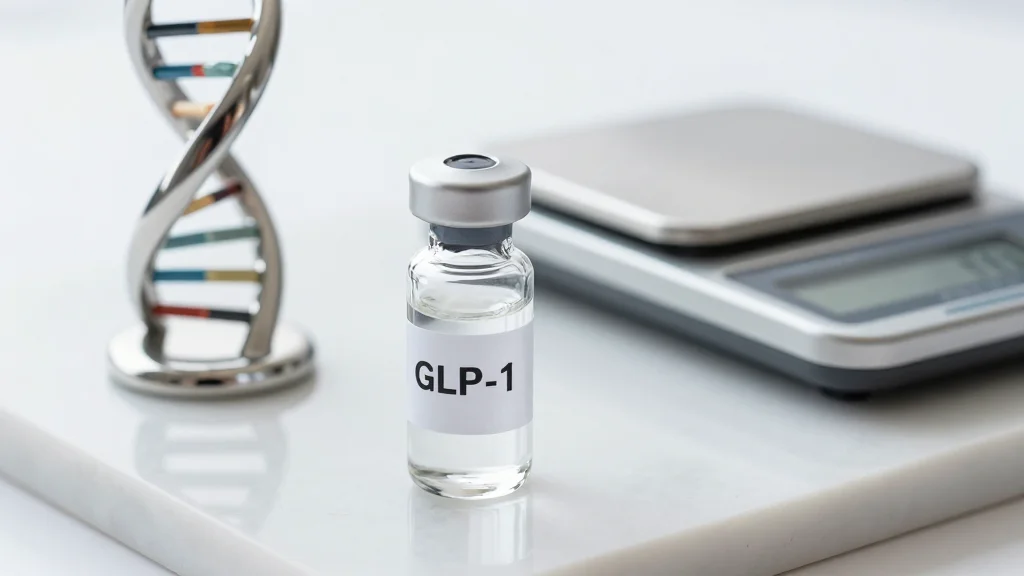
Two Gene Variants Predict Weight‑Loss Drug Response and Side‑Effects

Companies Mentioned
Why It Matters
Understanding the genetic contributors to GLP‑1 response could reduce the trial‑and‑error period that many patients endure, saving time, frustration, and costly drug courses. As GLP‑1 agonists become a cornerstone of obesity treatment worldwide, even modest predictive tools can improve adherence and outcomes. Beyond obesity, the study illustrates how large‑scale consumer genetics platforms can accelerate drug‑response research, potentially informing dosing strategies for other hormone‑based therapies. The modest effect sizes also remind stakeholders that genetics is only one piece of a multifactorial puzzle, underscoring the need for integrated precision‑medicine frameworks.
Key Takeaways
- •Study analyzed data from 27,885 23andMe participants who self‑reported GLP‑1 use.
- •GLP1R variant rs10305420 linked to slightly greater BMI reduction.
- •GIPR variant rs1800437 associated with increased nausea/vomiting on tirzepatide.
- •Effect sizes are modest; non‑genetic factors remain dominant predictors.
- •23andMe will add the genetic report to its $499 Total Health service.
Pulse Analysis
The discovery of GLP‑1‑related genetic markers arrives at a pivotal moment for obesity therapeutics. Market analysts have projected that GLP‑1 sales could exceed $30 billion globally by 2030, driven by expanding indications and aggressive pricing. Yet the rapid uptake has been hampered by variability in patient response and side‑effect profiles, which translate into higher discontinuation rates and insurance push‑back. By quantifying a genetic contribution—albeit modest—the study offers a data‑driven lever for manufacturers to stratify trial cohorts and for payers to refine coverage criteria.
Historically, pharmacogenomics has succeeded in niche areas such as oncology, where targetable mutations are clear-cut. Obesity, a polygenic and behavior‑influenced condition, presents a tougher test case. The modest odds ratios reported here suggest that genetics alone will not dictate prescribing decisions, but when combined with clinical algorithms, they could improve the predictive power of existing models. Companies like 23andMe, which sit at the intersection of direct‑to‑consumer genetics and clinical research, are uniquely positioned to monetize these insights through subscription services and partnership deals with pharma.
Looking ahead, the real impact will hinge on prospective validation. If follow‑up studies confirm that patients with the rs10305420 allele achieve, say, a 5‑10 % greater weight loss, insurers may be willing to reimburse genetic testing as a cost‑saving measure. Conversely, failure to demonstrate actionable benefit could relegate the findings to academic interest. Either way, the study underscores a broader industry shift: drug developers are increasingly seeking biomarkers that can justify premium pricing and differentiate their products in a crowded GLP‑1 market.
Two Gene Variants Predict Weight‑Loss Drug Response and Side‑Effects
Comments
Want to join the conversation?
Loading comments...