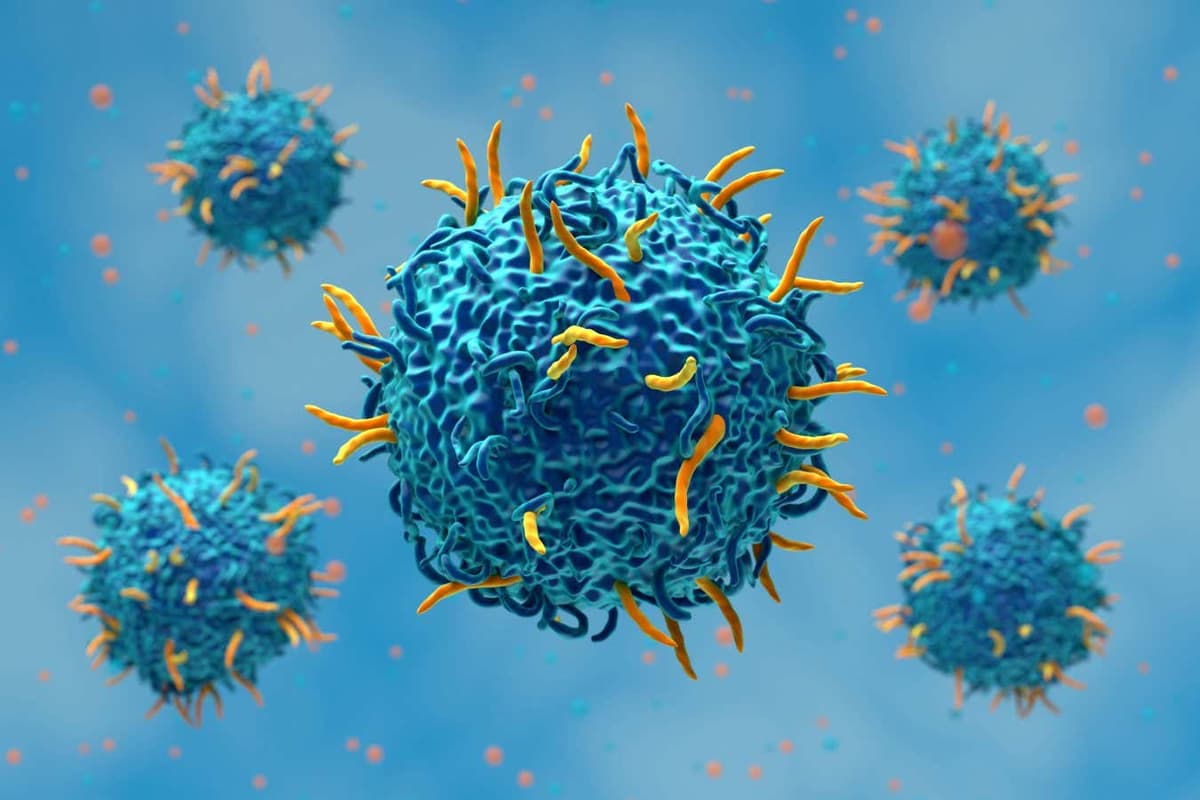
3D-Printed Lymph Nodes Could Widen Access to CAR T-Cell Therapy
Why It Matters
Lowering cost and speeding delivery makes CAR‑T therapy accessible to far more patients, expanding market potential and improving global cancer outcomes.
Key Takeaways
- •3D‑printed lymph node scaffolds cut CAR‑T production time to days.
- •Manufacturing cost could drop by up to 70% with bioprinting.
- •Faster cell expansion reduces patient dropout before treatment.
- •Scalable platform may enable low‑income markets to afford therapy.
- •Industry eyes bioprinting as next breakthrough in cell‑therapy manufacturing.
Pulse Analysis
CAR‑T cell therapy has emerged as a breakthrough in oncology, offering durable remissions for certain blood cancers. Yet its adoption has been hampered by a complex manufacturing chain that relies on viral vectors, sterile bioreactors, and weeks‑long culture periods, driving price tags north of $400,000 per patient. Analysts estimate the global CAR‑T market could exceed $15 billion by 2030, but only if production bottlenecks and cost structures are resolved.
Enter 3D bioprinting: engineers fabricate miniature lymph‑node analogues that mimic the natural microenvironment where T cells proliferate. By depositing bio‑inks laden with extracellular matrix proteins and growth factors, the printed scaffolds provide a high‑density niche that accelerates T‑cell expansion. Early data suggest cell yields comparable to traditional bioreactors are achieved in 48‑72 hours, slashing labor and facility overhead. The streamlined workflow also reduces reliance on expensive viral transduction steps, translating into projected cost reductions of 60‑70 percent.
The implications extend beyond economics. Shorter manufacturing cycles mean patients with aggressive disease can receive therapy before clinical decline, improving response rates. Moreover, a more affordable, modular production platform could be deployed in regional hospitals or emerging‑market biotech hubs, democratizing access to personalized immunotherapy. Regulators are watching closely, as the technology raises new validation criteria for scaffold sterility and cell potency. If the industry can navigate these hurdles, 3D‑printed CAR‑T manufacturing may become the next catalyst for scaling cell‑based medicines worldwide.
3D-printed lymph nodes could widen access to CAR T-cell therapy
Comments
Want to join the conversation?
Loading comments...