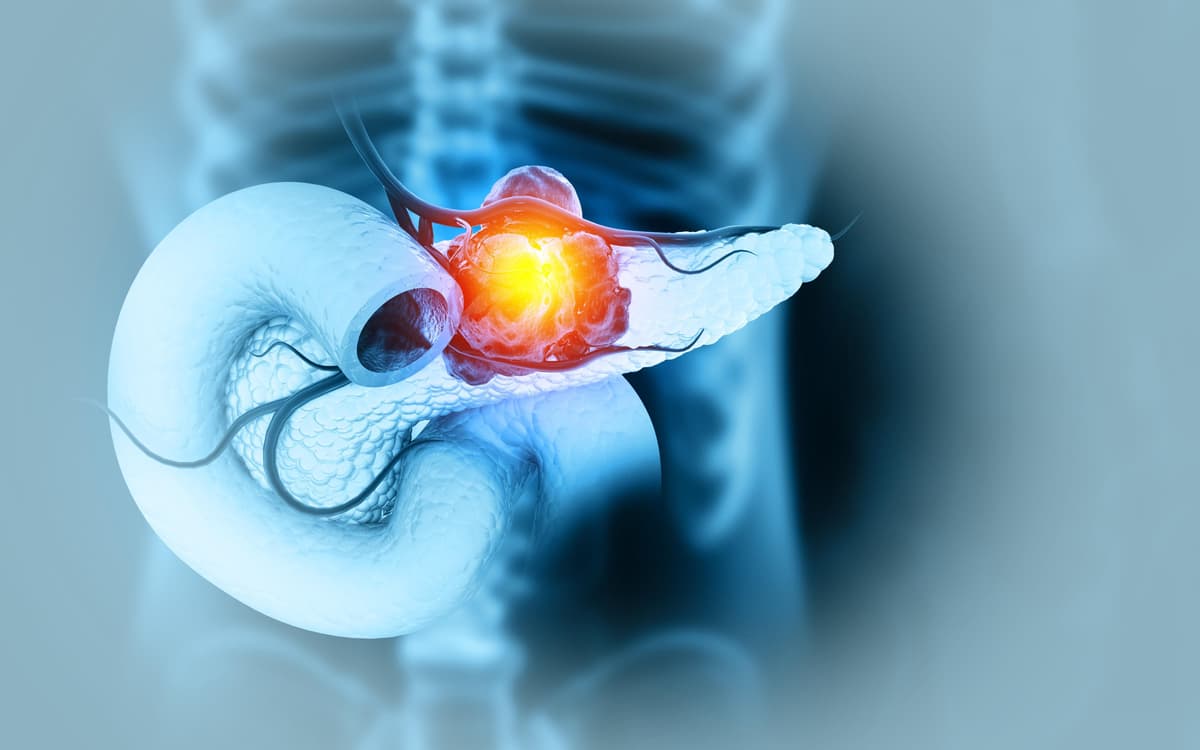
A New Way To Hit Pancreatic Cancer’s Hardest Target
Why It Matters
By enabling intracellular delivery of mutant‑specific antibodies, the technology opens a new therapeutic avenue for KRAS‑driven pancreatic cancer, a disease with limited effective options. Its selectivity and safety profile could reshape how hard‑to‑target oncogenes are addressed across oncology.
Key Takeaways
- •Antibody‑loaded nanoparticles deliver KRAS‑G12D targeting agents inside cells.
- •Treated mice showed tumor shrinkage without weight loss or organ toxicity.
- •Platform can be re‑programmed for other intracellular disease proteins.
- •Selective binding spares normal KRAS, reducing potential side effects.
- •Shift from inhibition to degradation changes therapeutic strategy for KRAS cancers.
Pulse Analysis
KRAS mutations have long been labeled "undruggable" because the protein resides inside the cell, beyond the reach of conventional antibodies. The new delivery platform sidesteps this barrier by encapsulating a mutant‑specific antibody within nanoscale carriers that traverse the cell membrane, then tag the aberrant KRAS for proteasomal destruction. This intracellular targeting leverages the precision of antibody‑based therapy while adding a degradation mechanism, a combination that could overcome resistance pathways that limit current small‑molecule inhibitors.
Preclinical data are compelling: in cultured pancreatic cancer cells harboring the KRAS‑G12D mutation, the treatment eliminated the mutant protein and halted proliferation, while normal KRAS‑expressing cells continued to grow. In xenograft mouse models, repeated dosing led to measurable tumor regression, stable body weight, and normal blood chemistry, indicating a favorable safety window. Compared with emerging KRAS inhibitors such as daraxonrasib, which bind and lock the protein, this degradation strategy may achieve deeper and more durable responses, especially for tumor subtypes that evade binding‑based drugs.
Looking ahead, the modular nature of the nanoparticle system suggests broader applicability. By swapping the antibody cargo, the same carrier could target other intracellular culprits, from oncogenic drivers in lung and colon cancers to misfolded proteins implicated in neurodegenerative disorders. However, translating mouse success to humans will require rigorous pharmacokinetic, immunogenicity, and manufacturing studies. If these hurdles are cleared, the technology could herald a paradigm shift—from merely inhibiting disease‑causing proteins to actively removing them from the cellular environment.
A New Way To Hit Pancreatic Cancer’s Hardest Target
Comments
Want to join the conversation?
Loading comments...