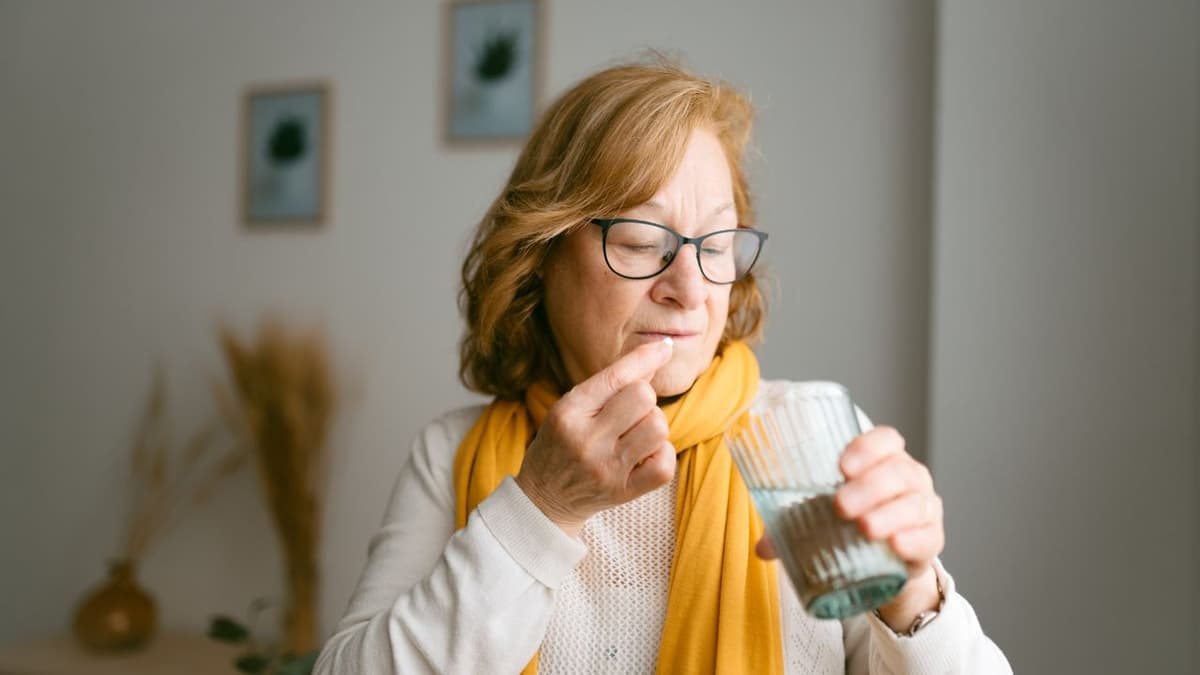
A Pill Can Stop People From Developing COVID After Being Exposed to the Virus, Trial Finds
Why It Matters
The study provides the first robust evidence that an oral antiviral can prevent COVID‑19 after exposure, offering a new tool to protect high‑risk groups and reduce transmission in homes and care facilities.
Key Takeaways
- •Ensitrelvir reduced symptomatic COVID cases from 9% to 2.9% in trial
- •Placebo group had 21.5% positive tests vs 14% with drug
- •Side effects similar; slight drop in HDL cholesterol observed
- •First oral post‑exposure prophylaxis proven effective in double‑blind study
- •FDA decision expected June 2026 after Japan and Singapore approvals
Pulse Analysis
The emergence of post‑exposure prophylaxis (PEP) for COVID‑19 marks a pivotal shift in pandemic management. While vaccines have curbed severe disease, breakthrough infections remain a concern, especially for immunocompromised individuals. Existing antivirals such as Paxlovid are designed for early treatment, but they do not prevent infection after exposure. Ensitrelvir’s oral formulation fills this gap, offering a convenient, short‑course option that can be deployed quickly in household settings, potentially curbing secondary transmission before symptoms arise.
The phase III trial, published in the New England Journal of Medicine, enrolled over 2,000 participants who shared a residence with a confirmed case. Participants received a five‑day course of ensitrelvir within 72 hours of exposure. The drug lowered the incidence of symptomatic COVID‑19 from 9% in the placebo arm to just 2.9%, and it reduced overall viral detection from 21.5% to 14%. Safety data were reassuring, with adverse‑event rates virtually identical to placebo and only transient lipid alterations noted. These results suggest that timely administration can effectively block viral replication at the earliest stage, offering a practical shield for families, nursing homes, and other congregate settings.
Regulatory bodies are now weighing the data. Japan approved ensitrelvir for both treatment and prevention, and Singapore has followed suit. The U.S. FDA is slated to decide by June 2026, a timeline that aligns with the drug’s pending market launch. If approved, insurers and health systems could incorporate the pill into exposure‑response protocols, potentially reducing hospitalizations and easing the burden on outpatient services. The commercial upside is significant, positioning Shionogi to compete directly with Pfizer’s Paxlovid and expanding the antiviral market beyond treatment into prevention.
A pill can stop people from developing COVID after being exposed to the virus, trial finds
Comments
Want to join the conversation?
Loading comments...