AAPS NBC 2026 To Highlight Predictive Tools in Drug Discovery with Opening Plenary
Why It Matters
By showcasing AI‑enabled, human‑relevant preclinical tools, the conference highlights a pathway to lower clinical‑trial attrition, shorten development timelines and meet evolving regulatory expectations, directly impacting R&D efficiency and cost structures.
Key Takeaways
- •AI and NAMs aim to cut animal testing in toxicology
- •Organoid models improve human relevance of early safety assessments
- •Predictive tools could reduce clinical trial attrition rates
- •Schrödinger’s physics‑based modeling targets precise drug design
Pulse Analysis
Artificial intelligence and new‑approach methodologies are reshaping the early stages of drug discovery. Regulators such as the FDA have begun endorsing NAMs as viable alternatives to animal studies, encouraging biotech firms to invest in AI‑powered in‑vitro platforms. By integrating high‑content imaging, machine learning algorithms, and organoid technology, companies can generate human‑centric safety data faster and at lower cost, addressing a historic bottleneck that fuels high attrition in Phase II trials.
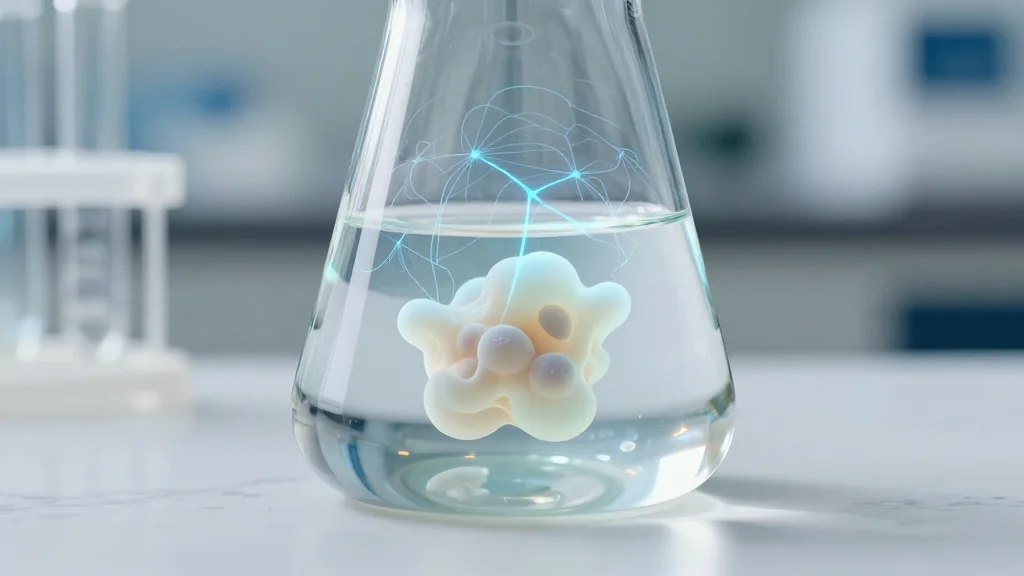
Organ‑on‑a‑chip and brain organoid systems illustrate how biology and computation converge to mimic human physiology more accurately than traditional rodent models. AI models trained on these datasets can predict toxicological outcomes, flagging liabilities before costly clinical exposure. While data quality and standardization remain challenges, collaborative consortia and open‑source repositories are accelerating model validation, paving the way for broader regulatory acceptance and industry adoption.
Complementing AI‑driven toxicology, physics‑based computational modeling—exemplified by Schrödinger’s platform—optimizes molecular interactions at the atomic level. By simulating binding affinities and conformational dynamics, researchers can prioritize candidates with higher success probabilities, reducing the need for extensive synthesis cycles. As these predictive tools mature, they promise to compress the drug‑development timeline, lower R&D spend, and ultimately deliver innovative therapies to patients more efficiently. The AAPS conference thus serves as a barometer for how data‑centric strategies are becoming core to biopharma innovation.
AAPS NBC 2026 To Highlight Predictive Tools in Drug Discovery with Opening Plenary
Comments
Want to join the conversation?
Loading comments...