AI in Oncology Takes Off, Tackling HIV and Liver Disease, Pharma’s Recent Gains
Companies Mentioned
Why It Matters
AI accelerates cancer diagnosis and therapy design, while gene‑editing breakthroughs expand treatment options for HIV and liver disease; large‑scale M&A underscores investor confidence in next‑generation cell therapies.
Key Takeaways
- •AI-driven tools dominate AACR 2026 oncology presentations
- •CRISPR screens pinpoint T‑cell genes influencing HIV infection
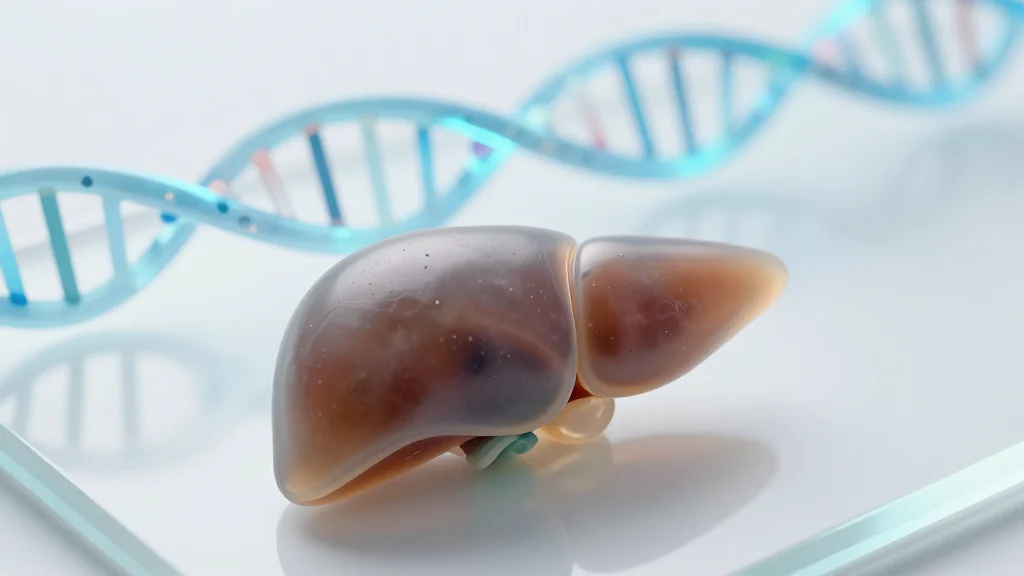
- •Implantable liver constructs offer interim support for transplant patients
- •Eli Lilly's $7 b Kelonia deal expands CAR‑T pipeline
- •Revolution Medicines' Phase III data boosts pancreatic cancer market optimism
Pulse Analysis
Artificial intelligence is reshaping oncology by enabling rapid pattern recognition across massive genomic datasets, accelerating biomarker discovery, and streamlining trial design. At the AACR 2026 meeting, platforms such as 10x Genomics' Atera Spatial highlighted how spatial transcriptomics combined with AI can pinpoint tumor microenvironment nuances, promising more precise immunotherapy targets and earlier detection methods. This AI momentum is not limited to cancer; it reflects a broader industry trend toward computational drug development that reduces time‑to‑clinic and lowers R&D costs.
In parallel, CRISPR‑based functional screens have identified a suite of host genes that modulate HIV susceptibility in primary CD4+ T cells, offering new antiviral targets that could complement existing therapies. Meanwhile, synthetic‑biology teams have engineered implantable liver constructs that mature in‑body, providing a potential stopgap for patients awaiting donor organs. Both advances illustrate how gene‑editing and tissue‑engineering are moving from proof‑of‑concept toward translational pipelines, expanding therapeutic options for chronic infectious and organ‑failure diseases.
The commercial landscape mirrors the scientific surge. Eli Lilly's $7 b acquisition of Kelonia bolsters its CAR‑T pipeline, positioning the company to compete in the fast‑growing cell‑therapy market. Simultaneously, Revolution Medicines' robust Phase III pancreatic cancer data has reignited investor enthusiasm for targeted oncology agents. Together, these deals signal that capital is flowing toward platforms that integrate AI, genomics, and cell therapy, setting the stage for a new wave of precision medicines across oncology, infectious disease, and regenerative medicine.
AI in Oncology Takes Off, Tackling HIV and Liver Disease, Pharma’s Recent Gains
Comments
Want to join the conversation?
Loading comments...