As CGT Manufacturing Scales Up, Automation and Collaboration Become Essential
Why It Matters
Automation and ecosystem partnerships are essential to lower costs, speed time‑to‑market, and expand patient access, positioning CGT as a viable mainstream therapy.
Key Takeaways
- •Single CGT batch costs >$500k, limiting scalability
- •Labor turnover averages 18 months, driving contamination risk
- •Robotics and AI reduce manual errors and accelerate production
- •Digital dashboards replace handwritten logs, improving data integrity
- •Partnerships with device makers and CDMOs enable faster scale‑up
Pulse Analysis
The cell and gene therapy (CGT) sector has surged in the past decade, with dozens of products reaching regulatory approval and a projected market exceeding $30 billion by 2030. Yet the promise of personalized medicine collides with a hard reality: manufacturing each batch can cost more than $500,000 and relies on a small pool of highly trained biologists. Labor turnover averages just 18 months, creating a constant risk of contamination and costly quality‑control cycles. As payers and regulators press for broader patient access, manufacturers must confront these cost and speed constraints or risk stalling the therapeutic pipeline.
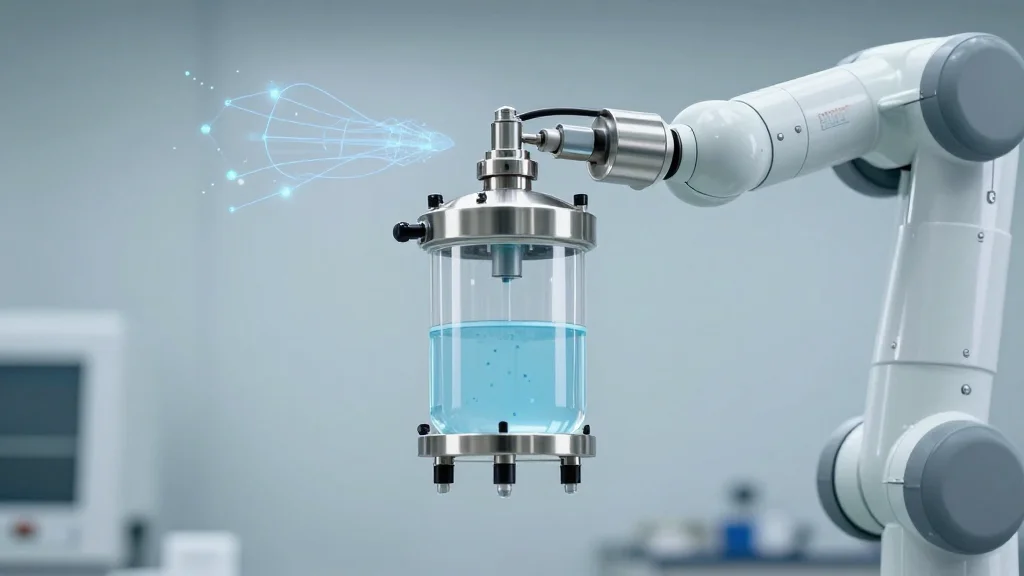
Automation offers a pragmatic answer. Robotic workcells can perform repetitive aseptic tasks with sub‑minute precision, eliminating human‑introduced contaminants and freeing scientists for higher‑value work. Integrated digital dashboards replace handwritten logs, feeding real‑time data into machine‑learning models that flag process drift and suggest corrective actions before a batch fails. Companies such as Cellular Origins have built modular platforms that overlay existing bioreactors, while startups like Autolomous provide end‑to‑end supply‑chain software that synchronizes raw material tracking with downstream analytics. Early adopters report cycle‑time reductions of 20‑30 percent and a measurable drop in batch‑failure rates.
Technology alone cannot close the scale gap; coordinated collaboration is equally critical. Partnerships between CGT developers, device manufacturers like Fresenius, Cytiva, and Thermo Fisher, and contract manufacturing organizations such as Catalent create standardized interfaces that accelerate validation and regulatory approval. Joint ventures also enable shared risk, allowing smaller innovators to tap into established manufacturing capacity without massive capital outlays. As the ecosystem coalesces around interoperable hardware and cloud‑based data platforms, the industry moves closer to achieving three‑fold capacity growth while keeping costs in check. In this environment, patients worldwide stand to benefit from faster, more affordable gene‑editing therapies.
As CGT Manufacturing Scales Up, Automation and Collaboration Become Essential
Comments
Want to join the conversation?
Loading comments...