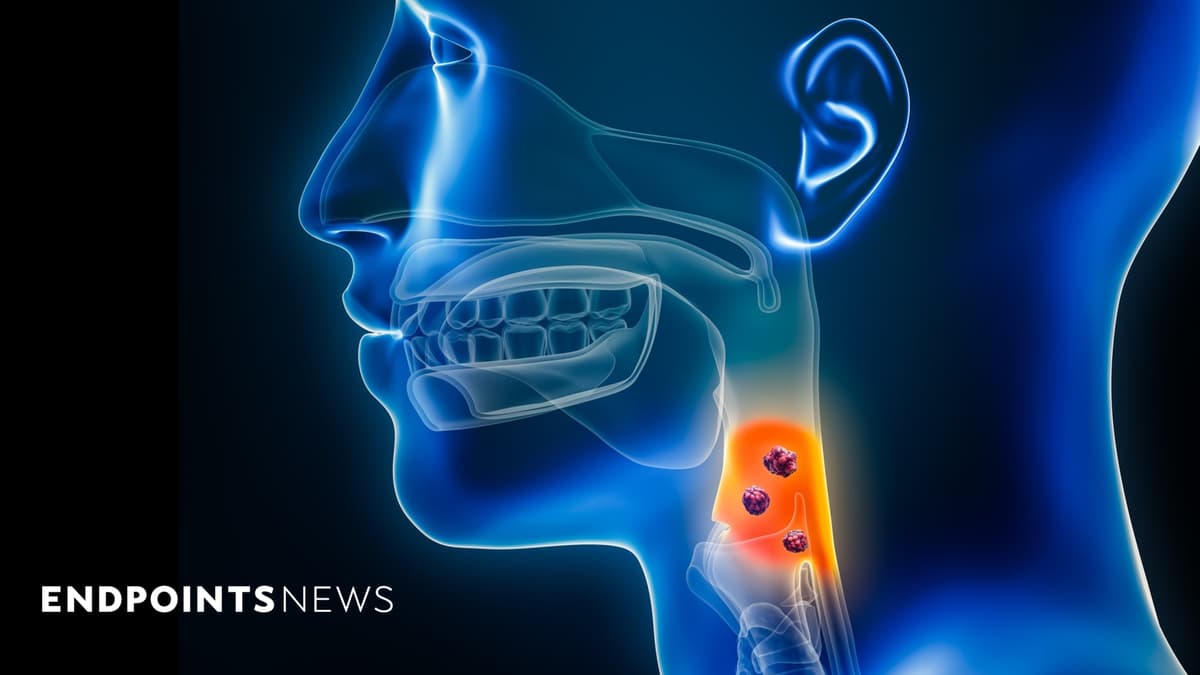
#ASCO26: Key Head and Neck Cancer Readouts From J&J, Corbus, Summit, Akero and Bicara
Companies Mentioned
Why It Matters
These readouts broaden the therapeutic arsenal beyond PD‑1 monotherapy, offering new options for patients who relapse or are resistant to existing treatments, and could reshape the competitive landscape of head‑and‑neck oncology.
Key Takeaways
- •J&J's pembrolizumab‑chemo combo cut death risk by 20% in first‑line
- •Corbus' anti‑LAG‑3 therapy yielded 18% response in PD‑1‑refractory patients
- •Summit's EGFR/PD‑L1 bispecific achieved 30% overall response rate
- •Akero's AK104 showed activity in HPV‑positive head‑neck tumors
- •Bicara's oncolytic virus BIC‑100 induced tumor shrinkage in early‑phase study
Pulse Analysis
Head and neck cancer remains a high‑mortality disease, with roughly 65,000 new U.S. cases annually and limited durability from current PD‑1 inhibitors. The ASCO 2026 meeting highlighted a shift toward combination and bispecific strategies designed to overcome immune evasion pathways that single‑agent checkpoint blockers cannot fully address. By targeting complementary mechanisms—such as LAG‑3, EGFR, and CTLA‑4—companies aim to reinvigorate exhausted T cells and broaden antigen recognition, potentially translating into deeper and longer responses.
Johnson & Johnson’s first‑line pembrolizumab‑plus‑chemotherapy data demonstrated a statistically significant 20% reduction in overall‑survival hazard, reinforcing the value of chemo‑immunotherapy backbones. Corbus’s anti‑LAG‑3 antibody, administered after PD‑1 failure, produced an 18% objective response, suggesting a viable salvage pathway. Summit’s bispecific EGFR/PD‑L1 construct delivered a 30% response rate across both HPV‑positive and -negative cohorts, while Akero’s AK104 bispecific PD‑1/CTLA‑4 agent showed early signals of efficacy in virus‑driven tumors. Bicara’s oncolytic virus BIC‑100 added a novel viro‑immunotherapy angle, achieving measurable tumor shrinkage in a phase 1/2 setting.
Collectively, these findings could expand the standard of care beyond monotherapy, prompting insurers and providers to reassess treatment algorithms. Investors may view the data as catalysts for upcoming regulatory filings, and pharmaceutical pipelines are likely to prioritize bispecific and combination modalities. As the field moves toward personalized, multi‑targeted regimens, the competitive dynamics among biotech and big‑pharma players will intensify, ultimately accelerating access to more effective options for patients battling head‑and‑neck cancer.
#ASCO26: Key head and neck cancer readouts from J&J, Corbus, Summit, Akero and Bicara
Comments
Want to join the conversation?
Loading comments...