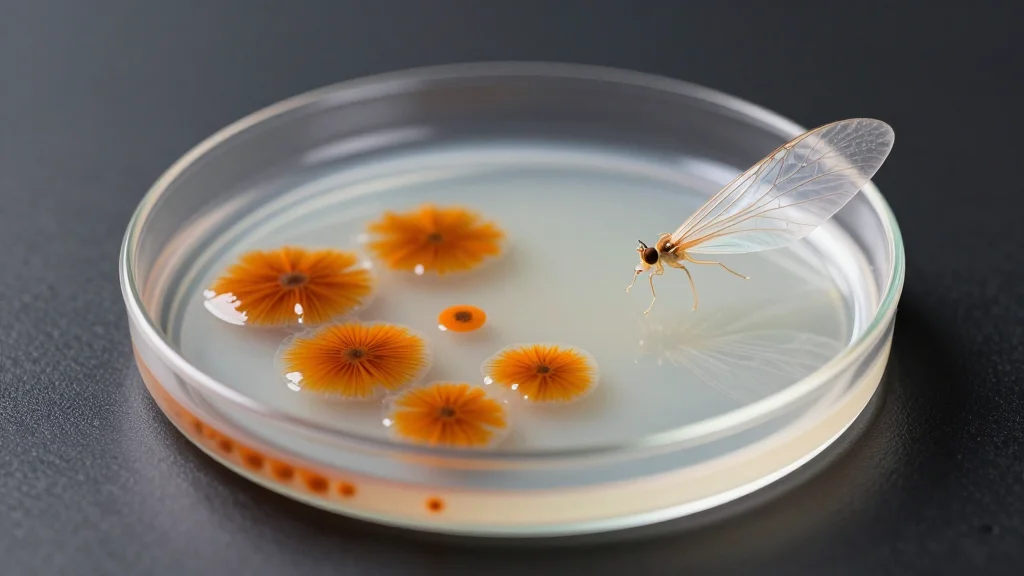
Buried in Soil, a 100-Million-Year-Old Bacterial Toxin Could Reshape Pest Control and Antibiotic Discovery
Why It Matters
SAIPs offer a biologically precise tool for pest management and a fresh source of antimicrobial agents, potentially reducing reliance on synthetic chemicals and addressing antibiotic resistance.
Key Takeaways
- •SAIPs kill insects by binding to the insect‑specific Flower receptor
- •Toxins date back 100 million years and lack human toxicity
- •Only select Streptomyces clades produce SAIPs; most are harmless
- •Study suggests SAIPs could become eco‑friendly biopesticides
- •Associated strains also secrete antimicrobial compounds with antibiotic promise
Pulse Analysis
Streptomyces have long been celebrated as nature’s drug factories, supplying the world with antibiotics, anticancer drugs and immunosuppressants. The new Nature Microbiology paper adds a surprising twist: a lineage of these soil microbes harbors ancient toxin genes that target insects rather than humans. By tracing the genetic roots of SAIPs back more than 100 million years, scientists highlight how evolutionary pressure can repurpose bacterial weapons for entirely different ecological roles, underscoring the untapped chemical diversity hidden in even the most studied microbes.
The mechanism behind SAIPs is strikingly specific. Using CRISPR screens, the researchers pinpointed an insect‑exclusive surface protein named Flower as the gateway for toxin entry. Without this receptor, the proteins cannot breach cell membranes, explaining their safety for mammals. This precision opens a pathway to develop next‑generation biopesticides that spare beneficial insects and reduce off‑target effects, a major drawback of conventional chemical sprays. Moreover, the ability to target disease‑vector species such as mosquitoes could complement public‑health strategies against malaria and West Nile virus.
Beyond pest control, the toxin‑producing Streptomyces strains simultaneously secrete potent antimicrobial metabolites, suggesting a dual‑use platform for agriculture and medicine. As antibiotic pipelines dwindle, mining these ancient bacterial factories may yield novel scaffolds to combat resistant pathogens. The team’s early patent filings signal commercial interest, yet scaling production, regulatory approval, and ecological impact assessments remain hurdles. Continued research in model insects and soil ecosystems will be crucial to translate this discovery from the lab bench to field‑ready solutions, potentially reshaping both crop protection and antibiotic discovery landscapes.
Buried in soil, a 100-million-year-old bacterial toxin could reshape pest control and antibiotic discovery
Comments
Want to join the conversation?
Loading comments...