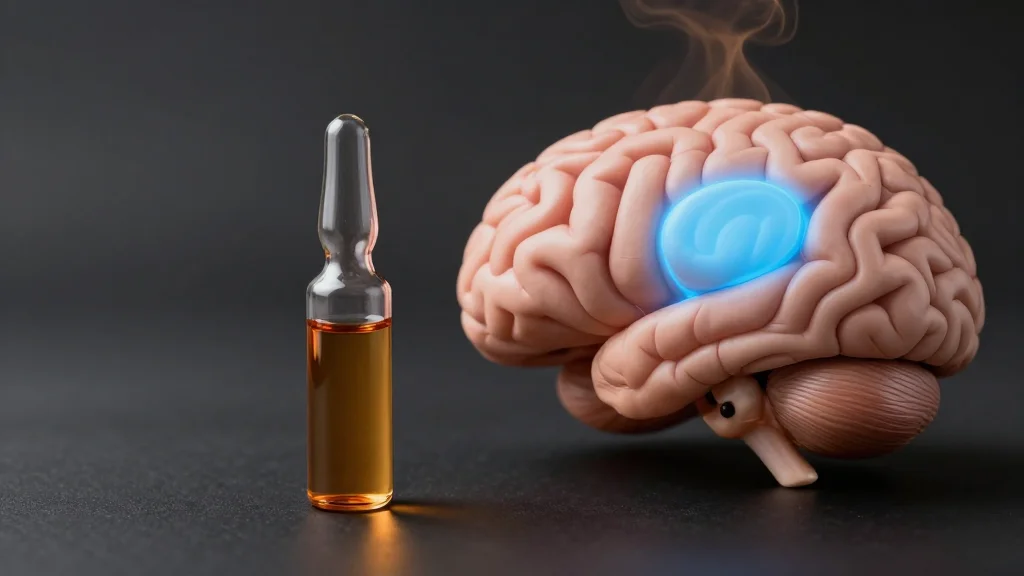
Can a Common Parasite Medication Calm the Brain’s Stress Circuitry During Alcohol Withdrawal?
Why It Matters
If human trials confirm these results, ivermectin—or similar P2X4 modulators—could become a precision‑medicine option for patients genetically predisposed to severe withdrawal drinking, expanding the limited pharmacologic arsenal for alcohol‑use‑disorder.
Key Takeaways
- •P2rx4 high expression predicts severe withdrawal drinking in rats
- •Ivermectin dose-dependently cuts alcohol intake during withdrawal
- •Female rats need higher ivermectin dose than males
- •Drug enhances GABA signaling in central amygdala of responders
- •Human use limited by ivermectin's poor blood‑brain barrier crossing
Pulse Analysis
Alcohol‑use‑disorder (AUD) remains a leading cause of morbidity worldwide, costing billions in health care and lost productivity. Existing FDA‑approved medications—such as naltrexone and acamprosate—help only a minority of patients, largely because AUD manifests across a spectrum of genetic and neurobiological profiles. Recent research highlights the P2X4 receptor, encoded by the P2rx4 gene, as a critical node in the brain’s stress and reward circuitry. Variations that increase receptor expression appear to amplify the compulsive drive to drink during withdrawal, positioning P2X4 as a promising biomarker for precision‑targeted interventions.
In a 2026 Neuropharmacology study, scientists used heterogeneous‑stock rats to mirror human genetic diversity. By computationally predicting P2rx4 expression, they separated high‑ and low‑expressing groups and demonstrated that the high‑expressers escalated alcohol intake markedly during forced abstinence. When treated with ivermectin—an antiparasitic known to allosterically potentiate P2X4—the high‑expressers showed a dose‑responsive decline in alcohol‑seeking behavior, without affecting water consumption. Electrophysiological slices from the central amygdala revealed that ivermectin increased the frequency of GABAergic inhibitory currents in responders, suggesting a mechanistic link between P2X4 activation and restored inhibitory tone during withdrawal. Notably, female rats required larger doses to achieve comparable reductions, underscoring sex‑specific pharmacodynamics.
Translating these findings to humans faces two hurdles: ivermectin’s limited penetration of the human blood‑brain barrier and the need for genotype‑guided patient selection. Future work may involve formulation strategies—such as nanoparticle carriers or transient BBB modulators—to boost central exposure, as well as companion diagnostics that screen for P2rx4‑linked variants. If successful, this approach could usher in a new class of repurposed, genetics‑driven therapies for AUD, aligning with the broader shift toward personalized medicine in psychiatry.
Can a common parasite medication calm the brain’s stress circuitry during alcohol withdrawal?
Comments
Want to join the conversation?
Loading comments...