CAR T-Cell Therapy May Prevent Progression of Smoldering Myeloma
Companies Mentioned
Why It Matters
The data show a one‑time CAR‑T can halt progression of high‑risk smoldering myeloma, potentially redefining standard care and reducing reliance on long‑term drug regimens.
Key Takeaways
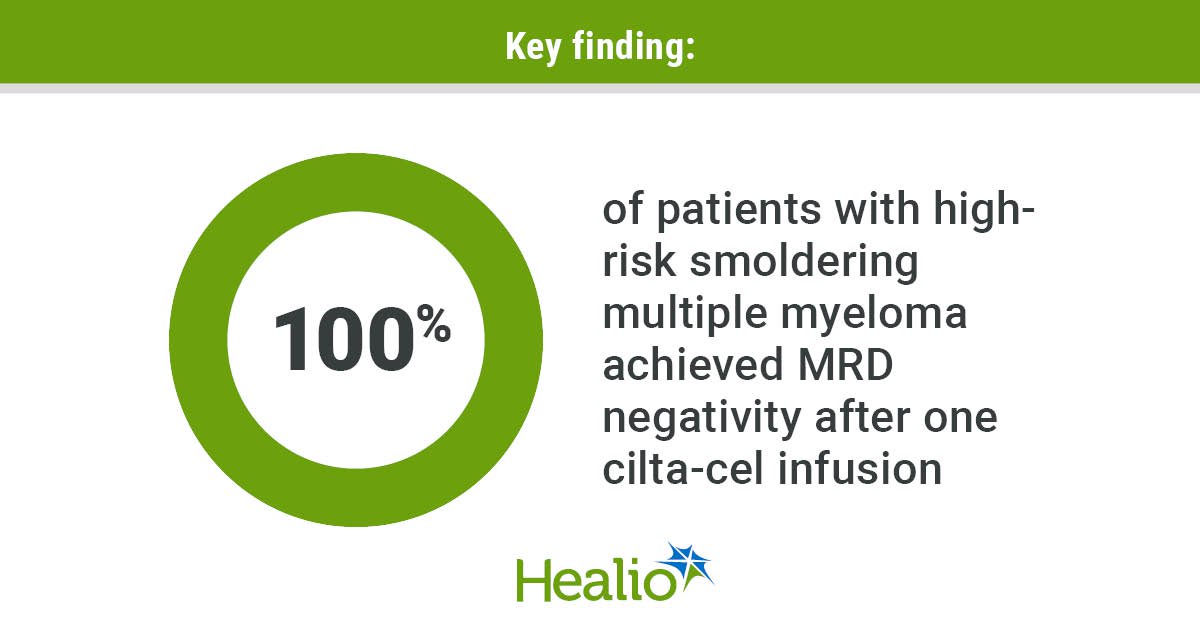
- •All 20 patients reached MRD negativity within two months.
- •No progression to active myeloma after median 15‑month follow‑up.
- •Grade 1‑2 CRS only; no grade 3+ CRS or ICANS.
- •90% experienced grade 3/4 neutropenia, but resolved quickly.
- •Early CAR‑T may replace active surveillance for high‑risk SMM.
Pulse Analysis
Smoldering multiple myeloma (SMM) sits at the crossroads of observation and early treatment. Historically, clinicians have monitored patients with periodic imaging and labs, intervening only after symptomatic disease emerges. Recent FDA approval of daratumumab‑hyaluronidase offered a three‑year, infusion‑heavy regimen that modestly reduced progression risk, yet complete responses remained rare. This backdrop underscores the clinical appetite for a therapy that can eradicate disease before it evolves, especially in the 0.5% of adults over 40 who carry high‑risk SMM and face a 50% chance of progression within two years.
The CAR‑PRISM phase‑2 study injected a single dose of cilta‑cel, a BCMA‑directed CAR‑T already approved for relapsed myeloma, into 20 high‑risk SMM patients without any bridging chemotherapy. Within two months, every patient achieved MRD negativity at the 10⁻⁶ level, and none progressed during a median 15‑month observation period. Safety was favorable: only grade 1‑2 cytokine‑release syndrome occurred, and while 90% experienced transient grade 3/4 neutropenia, severe neurotoxicity was absent. These outcomes likely reflect the immunologic vigor and lower tumor heterogeneity present in early‑stage disease, suggesting that timing CAR‑T before clonal evolution maximizes efficacy.
If larger, multicenter trials confirm durability, early CAR‑T could become the new standard for high‑risk SMM, shifting the paradigm from watchful waiting to proactive eradication. Such a shift would have profound market implications, expanding the addressable pool for CAR‑T manufacturers and potentially reducing long‑term drug expenditures associated with continuous monoclonal‑antibody regimens. Challenges remain, including manufacturing logistics, cost considerations, and long‑term safety monitoring, but the promise of converting a precursor condition into a curable one positions CAR‑T at the forefront of next‑generation oncology strategies.
CAR T-cell therapy may prevent progression of smoldering myeloma
Comments
Want to join the conversation?
Loading comments...