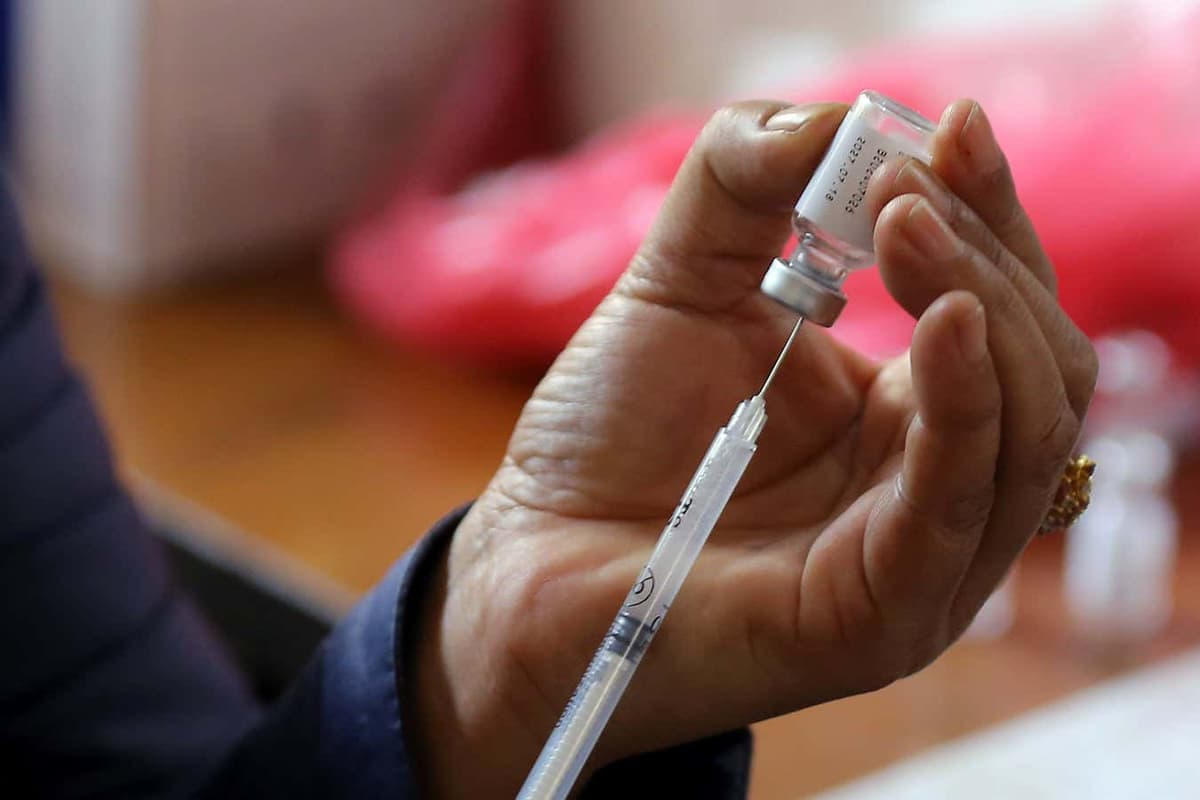
Cervical Cancer Deaths Have Plummeted Thanks to HPV Vaccine
Why It Matters
The findings provide concrete evidence that high‑coverage HPV vaccination can eradicate cervical‑cancer mortality in young women, reshaping public‑health priorities and justifying continued investment in vaccine programs.
Key Takeaways
- •Zero cervical‑cancer deaths recorded among English women 20‑24 (2020‑2024).
- •About 90% of that cohort received HPV vaccine at age 12‑13.
- •Study estimates ~200 lives saved so far, potentially 18,000 prevented long‑term.
- •Vaccine uptake has declined post‑COVID, threatening future elimination goals.
- •HPV vaccination also prevents other cancers and genital warts in both sexes.
Pulse Analysis
The human papillomavirus (HPV) vaccine, first introduced in 2006, quickly became a cornerstone of cancer prevention strategies worldwide. In the United Kingdom, a school‑based program began in 2008 for girls aged 12‑13 and expanded to boys in 2019, aiming to curb not only cervical cancer but also other HPV‑related malignancies such as oropharyngeal and anal cancers. High public‑health uptake—about 90% of the current 20‑24‑year‑old cohort—has created a unique data set that now shows a dramatic drop in mortality, offering a real‑world validation of clinical trial projections.
The study led by Peter Sasieni and Milena Falcaro examined national cancer registries and found zero cervical‑cancer deaths among women 20‑24 over a five‑year span, a stark contrast to the roughly 23 deaths expected based on historical trends. Their modeling suggests that the vaccination program has already averted approximately 200 deaths, and, given the vaccine’s long‑term immunity, could prevent as many as 18,000 deaths in future generations. These numbers underscore the vaccine’s role not just in reducing incidence but in delivering a measurable survival benefit, especially for those who might otherwise miss routine screening.
Despite the UK success, global HPV vaccine coverage remains uneven, and recent data show a post‑COVID dip in UK uptake that could jeopardize the NHS’s 2040 cervical‑cancer elimination target. Policymakers must therefore reinforce outreach, address vaccine hesitancy, and integrate vaccination with robust screening programs. The UK experience demonstrates that when vaccination rates are high, the public‑health payoff is profound—transforming a once‑lethal disease into a preventable condition and setting a template for other nations to emulate.
Cervical cancer deaths have plummeted thanks to HPV vaccine
Comments
Want to join the conversation?
Loading comments...