China Races to Build Record Biobank to Rival US Drugs Research
Why It Matters
By aggregating large‑scale pediatric genomic data, China can fast‑track therapeutic development and reduce reliance on Western data sources, reshaping global biotech competition.
Key Takeaways
- •33,000 children’s blood and DNA samples collected nationwide
- •Aims to map brain disease risk factors across Chinese population
- •Mirrors US NIH All of Us biobank, adds faster processing
- •Built amid US/EU bans on Chinese scientists accessing sensitive data
- •Could boost China’s drug discovery and global biotech competitiveness
Pulse Analysis
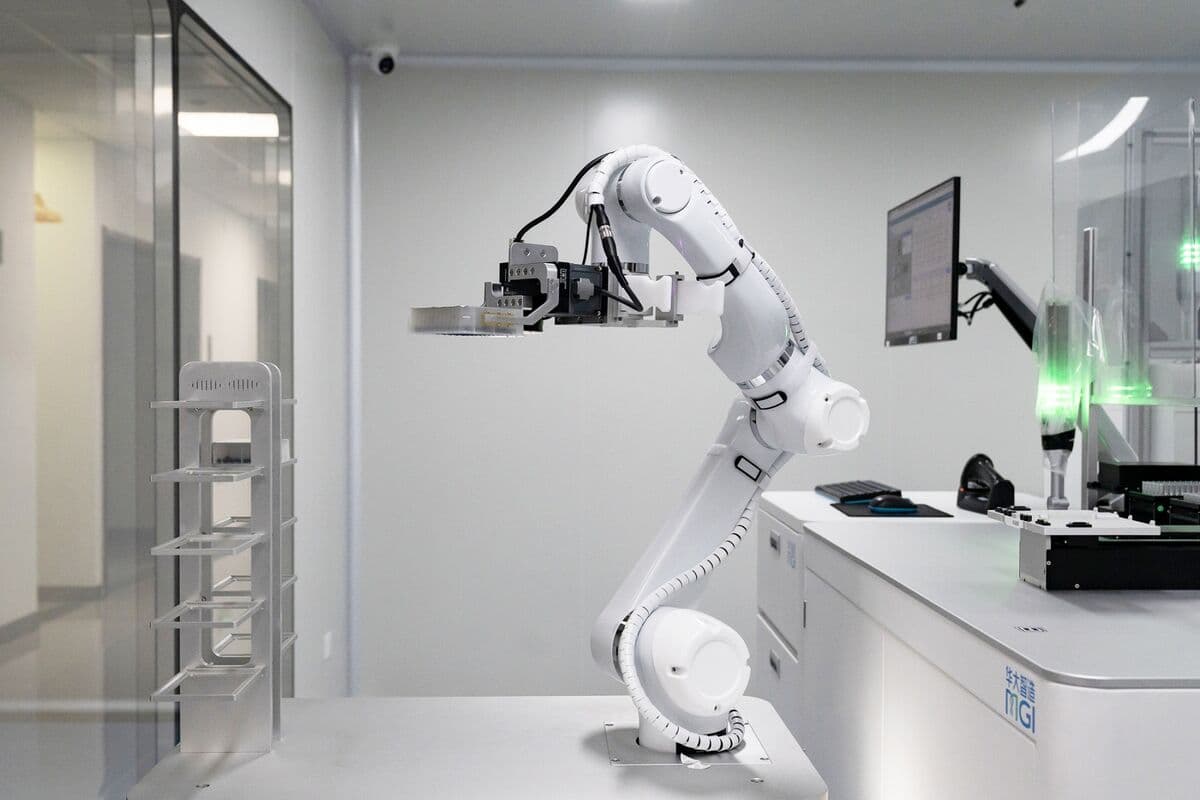
China’s new biobank represents a strategic leap in its biomedical infrastructure, targeting 33,000 pediatric donors to create a comprehensive repository of blood and DNA. Unlike earlier, fragmented collections, this effort integrates high‑throughput sequencing with rapid data pipelines, allowing researchers to move from sample extraction to analysis within hours. By focusing on brain‑related disorders, the institute hopes to uncover genetic markers that could inform next‑generation therapeutics, positioning the facility as a domestic counterpart to the U.S. NIH All of Us program.
The timing of the biobank aligns with escalating geopolitical tensions over scientific data. Recent U.S. and European policies have limited Chinese researchers’ access to sensitive health datasets, prompting Beijing to accelerate homegrown alternatives. This self‑reliance drive reflects a broader national agenda to secure critical data assets and reduce vulnerability to external restrictions. By consolidating vast genomic information under state‑controlled governance, China aims to safeguard its research pipeline while still attracting international collaborations that comply with its regulatory framework.
For the pharmaceutical industry, the biobank could become a game‑changing resource. Large‑scale, ethnically diverse genomic data enable more accurate target identification and patient stratification, shortening clinical trial timelines and lowering development costs. Companies seeking to enter the Chinese market may leverage the repository to tailor drugs for local populations, while global firms could partner with Chinese institutions to co‑develop therapies. However, challenges remain around data privacy, standardization, and the integration of findings into existing drug pipelines, making the biobank’s operational success a critical watchpoint for investors and biotech leaders alike.
China Races to Build Record Biobank to Rival US Drugs Research
Comments
Want to join the conversation?
Loading comments...