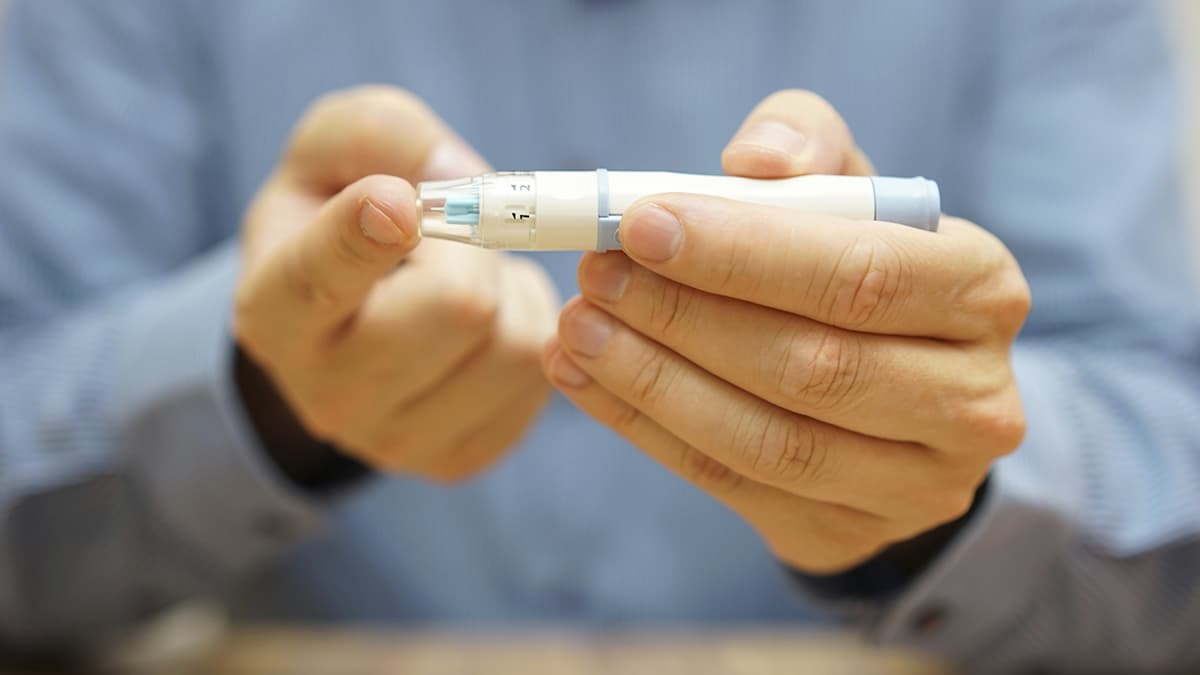
Could Alzheimer's Be Predicted with a Finger-Prick Test?
•January 19, 2026
0
Companies Mentioned


Why It Matters
A simple, scalable blood test could dramatically increase early diagnosis rates, reducing reliance on costly imaging and improving access to disease‑modifying therapies.
Key Takeaways
- •Finger‑prick test targets three Alzheimer’s biomarkers.
- •Trial includes 1,000 participants, 25% under‑represented groups.
- •Compares blood results with PET/MRI and lumbar puncture.
- •Early detection may expand eligibility for new amyloid drugs.
- •Results due 2028 could reshape dementia screening standards.
Pulse Analysis
Alzheimer’s disease remains the most common cause of dementia, yet diagnosis often occurs after cognitive symptoms appear. Traditional approaches—PET or MRI scans and lumbar punctures—provide accurate biomarker data but are expensive, time‑consuming, and invasive, limiting widespread screening. In recent years, blood‑based assays for tau and amyloid proteins have entered the market, offering a less burdensome alternative, but their sensitivity varies across stages of disease. The promise of a rapid, cost‑effective test lies in catching pathology before clinical decline, thereby widening the window for therapeutic intervention.
The Bio‑Hermes‑002 trial, coordinated by LifeArc and the Global Alzheimer’s Platform Foundation, enrolls 1,000 volunteers aged over 60 across the United Kingdom, United States and Canada. Researchers will quantify three blood markers—pTau217, glial fibrillary acidic protein (GFAP) and neurofilament light chain (NfL)—and benchmark the results against PET/MRI imaging, cerebrospinal fluid analysis, speech‑based digital tests, retinal scans and conventional cognitive scores. Importantly, at least a quarter of participants come from under‑represented ethnic groups, allowing the study to assess assay performance across diverse populations. The study is slated to report findings in 2028.
If the finger‑prick assay demonstrates comparable accuracy, it could transform Alzheimer’s screening by shifting the diagnostic pathway from specialist centers to primary‑care settings. Earlier identification would expand eligibility for disease‑modifying antibodies such as lecanemab and donanemab, potentially improving outcomes and justifying reimbursement by health systems. Moreover, a scalable blood test could accelerate enrollment in clinical trials, lower research costs, and stimulate competition among diagnostic firms, driving further innovation. The trial’s emphasis on ethnic diversity also addresses equity concerns, ensuring that future screening tools serve all segments of the aging population.
Could Alzheimer's be predicted with a finger-prick test?
0
Comments
Want to join the conversation?
Loading comments...