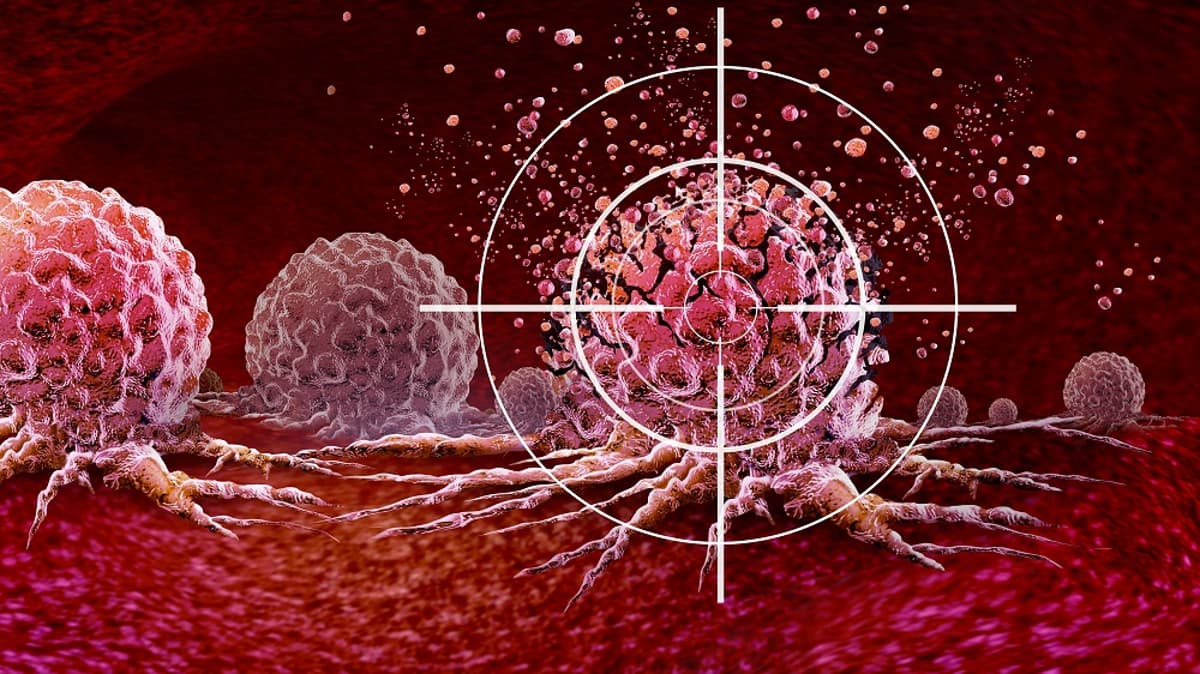
CRISPR-Based System Targets RNA and Kills Cells on Demand
Why It Matters
RNA‑triggered cell killing offers a new precision‑medicine modality for cancer, viral infections, and gene‑editing workflows, potentially overcoming limitations of DNA‑only CRISPR tools.
Key Takeaways
- •Cas12a2 kills cells by indiscriminate DNA shredding upon RNA detection
- •Demonstrated 134‑fold yeast colony reduction and halted HeLa proliferation
- •LNP delivery enabled tumor shrinkage in HPV‑positive mouse model
- •System shows high specificity, no off‑target activation in human cells
- •Combined with KRAS inhibitor, achieved >85% cancer cell killing
Pulse Analysis
The discovery of Cas12a2 adds a powerful layer to the CRISPR toolbox, shifting the focus from DNA editing to RNA‑guided cellular demolition. Unlike conventional nucleases that cut a single DNA site, Cas12a2 unleashes a cascade of double‑strand breaks once its guide RNA matches a target transcript. This mechanism mirrors bacterial abortive infection systems, where self‑destruction prevents pathogen spread, but now it can be harnessed to eliminate mammalian cells carrying disease‑defining RNAs. The enzyme’s ability to act on non‑coding RNAs, viral transcripts, and single‑base mutations opens avenues that were previously inaccessible to genome‑editing platforms.
Therapeutic translation hinges on delivery and specificity. The study demonstrated that lipid nanoparticle (LNP) encapsulation—already proven safe in mRNA vaccines—can ferry Cas12a2 into diverse cancer cell lines and into solid tumors in mice. Importantly, the system displayed negligible off‑target activity, refusing to activate on mismatched or absent transcripts, which mitigates safety concerns that have plagued earlier gene‑editing attempts. By selectively eradicating unedited cells, Cas12a2 can also serve as a purification step in ex‑vivo gene‑editing pipelines, boosting the yield of precisely edited therapeutics. Moreover, its synergy with KRAS G12C inhibitors suggests a combinatorial strategy to overcome drug resistance in lung adenocarcinoma.
While the proof‑of‑concept results are compelling, several hurdles remain before clinical adoption. Scaling LNP formulations for tissue‑wide distribution, ensuring immune tolerance, and navigating regulatory pathways for a cell‑killing CRISPR agent will require extensive preclinical validation. Nonetheless, the technology’s versatility positions it as a high‑impact asset for biotech firms targeting oncology, virology, and gene‑therapy markets. Investors are likely to monitor licensing deals and partnership announcements as the platform matures, anticipating a new class of RNA‑directed therapeutics that could reshape precision medicine.
CRISPR-Based System Targets RNA and Kills Cells on Demand
Comments
Want to join the conversation?
Loading comments...