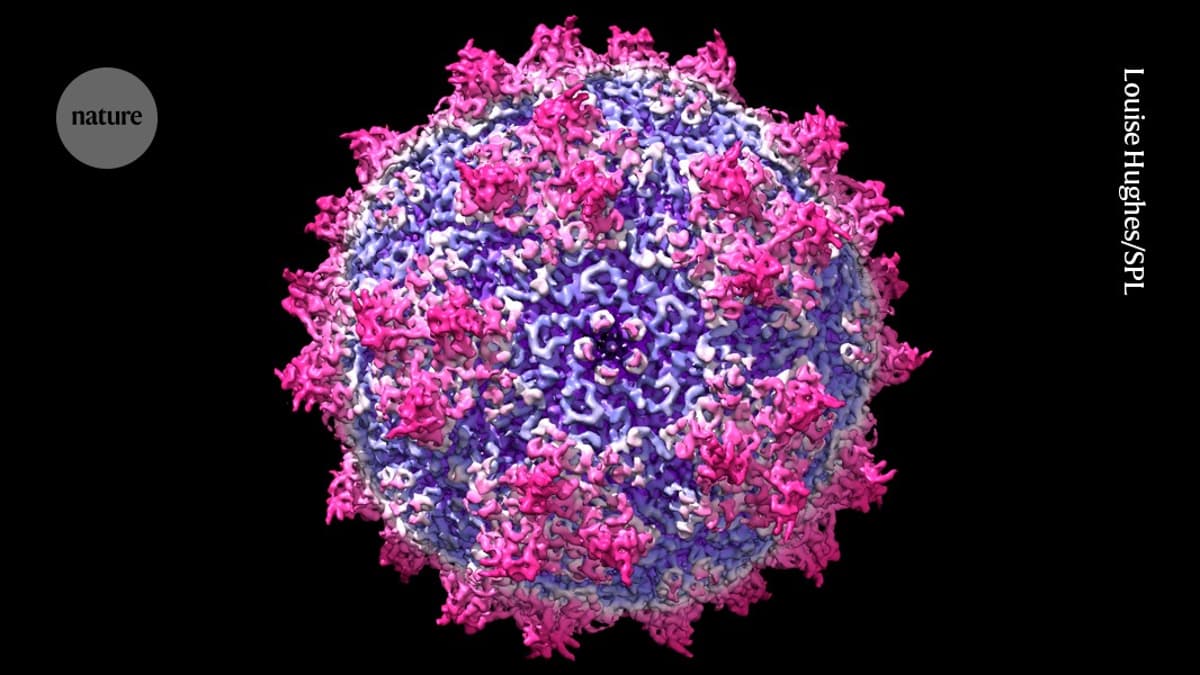
Did a Boy’s Life-Saving Gene Therapy Cause His Brain Tumour?
Why It Matters
The case challenges the perceived safety of AAV vectors, prompting regulators and biotech firms to reassess risk assessments for pediatric gene‑therapy trials. It underscores the need for extended surveillance to protect vulnerable patients and maintain confidence in emerging therapies.
Key Takeaways
- •AAV gene therapy linked to brain tumor in 5‑year‑old
- •Tumor emerged four years after treatment for rare genetic disorder
- •Study suggests viral vector integration may trigger oncogenesis
- •Findings raise safety scrutiny for pediatric gene‑therapy trials
- •Regulators may demand longer follow‑up for AAV‑based products
Pulse Analysis
Adeno‑associated virus (AAV) vectors have become the workhorse of modern gene therapy, delivering functional copies of genes to treat conditions ranging from hemophilia to spinal muscular atrophy. Their non‑replicating nature and low immunogenicity earned them fast‑track designations from the FDA and EMA, leading to several commercial approvals. Yet, the technology’s relative novelty means long‑term safety data remain limited, especially in pediatric populations where the genome is still developing.
The recent case of a five‑year‑old boy whose brain tumor was traced to the AAV vector used in his treatment for a rare metabolic disorder has sent shockwaves through the biotech community. Whole‑genome sequencing revealed viral DNA inserted near oncogenic hotspots, providing a plausible mechanism for tumor initiation. While causality cannot be definitively proven from a single instance, the evidence raises red flags about insertional mutagenesis—a risk historically associated with earlier viral platforms like retroviruses but thought minimal for AAV.
Industry stakeholders are now grappling with how to balance therapeutic promise against potential long‑term hazards. Regulators may tighten post‑marketing requirements, mandating multi‑year follow‑up and more rigorous integration site analyses before approving new AAV‑based products. For investors and clinicians, the story reinforces the importance of transparent risk communication and the development of safer delivery systems, such as non‑viral nanoparticles or engineered capsids with reduced integration propensity. As gene therapy matures, robust surveillance will be key to sustaining public trust and unlocking its full potential.
Did a boy’s life-saving gene therapy cause his brain tumour?
Comments
Want to join the conversation?
Loading comments...