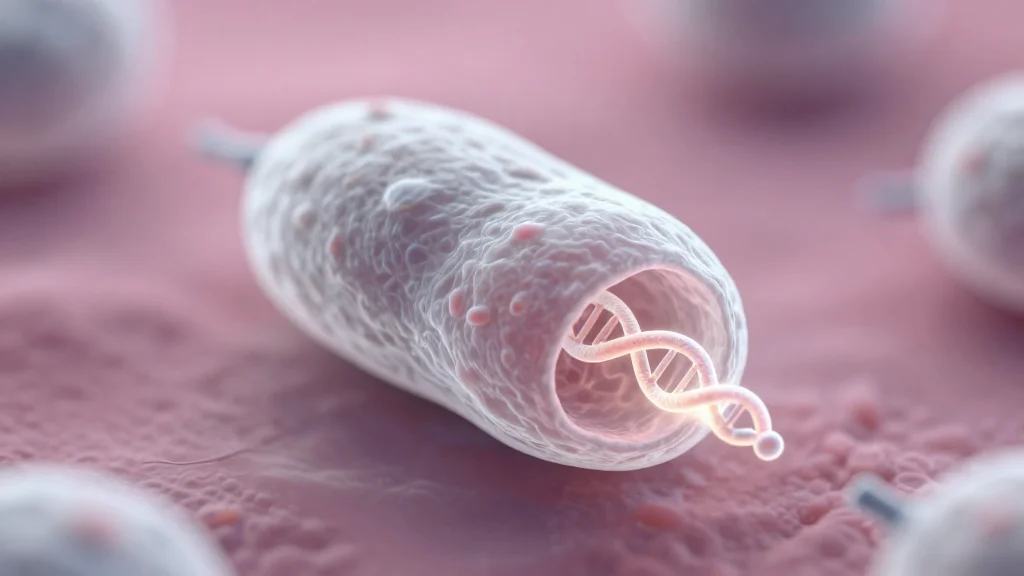
DNA-Containing Extracellular Vesicles Boost Antitumor Responses in Mice
Why It Matters
By restoring antigen visibility, the vesicles could turn resistant cancers into immunotherapy‑responsive ones, offering a novel strategy for combination treatments.
Key Takeaways
- •Activated T cells release DNA‑rich extracellular vesicles (AT‑EVs).
- •AT‑EV DNA enhances antigen presentation in dendritic and tumor cells.
- •AT‑EVs slow glioblastoma, pancreatic, and TNBC tumor growth in mice.
- •Combining AT‑EVs with checkpoint inhibitors improves anti‑tumor immunity.
- •AT‑EVs offer a non‑viral platform for transient gene delivery.
Pulse Analysis
Extracellular vesicles (EVs) have emerged as critical messengers in intercellular communication, ferrying proteins, lipids, and nucleic acids across tissue boundaries. While tumor‑derived EVs have been linked to immune suppression, the recent work from the Lyden laboratory flips the script, showing that EVs from activated T cells carry DNA fragments enriched for immune‑related genes. This DNA, displayed on vesicle surfaces and equipped with a nuclease‑like enzyme, can penetrate recipient cell nuclei, transiently reprogramming them to boost antigen processing pathways. The discovery adds a new layer to our understanding of how the immune system self‑amplifies during a response.
In preclinical mouse models, infusion of these DNA‑laden AT‑EVs led to heightened antigen presentation in both dendritic cells and tumor cells, resulting in slower tumor progression across three notoriously immunologically cold cancers: glioblastoma, pancreatic adenocarcinoma, and triple‑negative breast cancer. Importantly, when paired with FDA‑approved immune checkpoint inhibitors, the vesicles produced a synergistic effect, markedly increasing T‑cell infiltration and overall survival. The mechanism hinges on a positive‑feedback loop: AT‑EV DNA restores the visibility of tumor antigens, making previously invisible cells recognizable to the immune system and prompting them to emit their own immunostimulatory vesicles.
The translational potential is significant. As an acellular therapy, AT‑EVs sidestep many safety concerns associated with viral vectors, offering a transient, non‑integrating gene‑delivery platform that could be customized for diverse tumor types. Their ability to act as both an immunotherapy adjuvant and a gene‑transfer vehicle positions them at the intersection of cancer immunology and precision medicine. Future clinical development will need to address manufacturing scalability, dosing regimens, and regulatory pathways, but the data lay a compelling foundation for a new class of vesicle‑based cancer treatments.
DNA-Containing Extracellular Vesicles Boost Antitumor Responses in Mice
Comments
Want to join the conversation?
Loading comments...