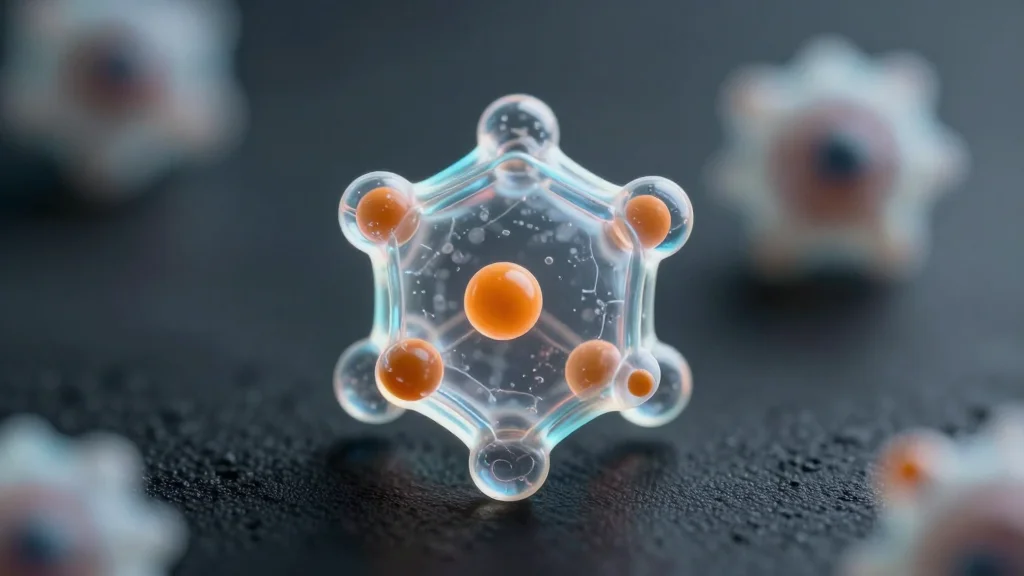
DNA Tetrahedrons Unlock Sharper Cancer Targeting with Vitamin E Tweak
Why It Matters
The modification transforms a passive DNA carrier into an active, tumor‑selective therapeutic, potentially accelerating the development of safer, more effective nanomedicines for oncology.
Key Takeaways
- •αT‑conjugated DNA tetrahedrons improve cellular uptake in cancer cells
- •Modified nanostructures trigger ROS production, leading to apoptosis
- •Study demonstrates surface chemistry can dictate nanomedicine selectivity
- •Research remains preclinical; animal studies needed for translation
- •DNA nanotech offers low immunogenicity and programmable drug delivery
Pulse Analysis
DNA nanotechnology has emerged as a versatile platform for constructing precisely defined nanocarriers that can ferry therapeutic payloads to diseased cells. Among the various geometries, DNA tetrahedrons are prized for their structural rigidity, biocompatibility, and ease of functionalization, making them attractive candidates for drug delivery. However, their clinical promise has been hampered by modest cellular internalization and limited control over intracellular trafficking. Researchers have therefore focused on surface engineering strategies—such as ligand attachment or lipid conjugation—to boost membrane interaction without compromising the inherent safety profile of the DNA scaffold.
The recent work from IIT Gandhinagar adds a vitamin E derivative, alpha‑tocopherol succinate (αT), to the tetrahedron surface, creating a hybrid nanostructure that leverages the lipophilic nature of αT to slip past the phospholipid bilayer more efficiently. Experimental data show a marked increase in uptake by cancer cells, accompanied by elevated reactive‑oxygen‑species generation that triggers apoptosis while sparing healthy cells. This dual‑action—enhanced delivery plus intrinsic cytotoxicity—demonstrates how a modest chemical tweak can transform a passive carrier into an active therapeutic agent, opening new design pathways for targeted oncology.
While the in‑vitro results are compelling, translation to the clinic will require rigorous animal testing, pharmacokinetic profiling, and safety assessments to address potential immunogenicity or off‑target effects. If successful, αT‑functionalized DNA tetrahedrons could complement existing precision‑medicine pipelines, offering a modular platform that can be loaded with chemotherapeutics, siRNA, or imaging probes. The approach also aligns with growing investor interest in nanomedicine, where the market is projected to exceed $400 billion by 2030. Ultimately, the study underscores the strategic value of surface chemistry in unlocking the therapeutic potential of DNA‑based nanocarriers.
DNA tetrahedrons unlock sharper cancer targeting with vitamin E tweak
Comments
Want to join the conversation?
Loading comments...